How Old Is My Mac Computer

So, you’re staring at your trusty Mac. It’s humming along, maybe a little slower than it used to. You start wondering: how old is this thing, anyway? It’s a fair question—like...
So, you’re staring at your trusty Mac. It’s humming along, maybe a little slower than it used to. You start wondering: how old is this thing, anyway? It’s a fair question—like asking your dog’s age in human years. Let’s crack this code together.
The Quickest Way to Know (Don’t Blink)
First things first: click that little Apple logo in the top-left corner. Seriously, go ahead. I’ll wait. Now select About This Mac.
A window pops up like a digital birth certificate. You’ll see the model year right there. For example, “MacBook Pro (13-inch, 2020).” That’s your machine’s birthday year. Ta-da!
Must Read
If you don’t see a year, don’t panic. Click the System Report button. Under “Hardware Overview,” look for “Model Identifier.” It’ll say something like “MacBookPro16,2.” Google that number. You’ll get a release date faster than you can say “obsolete.”
But What If It’s Really Old? Like, Vintage?
Let’s be honest—some of us are running machines that predate iPhones. I once saw a 2009 iMac that took ten minutes to open Safari. It was noble but tragic.
If your Mac feels ancient, check Apple’s Vintage and Obsolete Products list. A vintage Mac is one that’s been out of production for five to seven years. Obsolete means it’s been over seven years. Guess what? Apple stops servicing them entirely.
That doesn’t mean your Mac is dead. It just means it’s in retirement. No more free updates, no official repairs. It’s like a beloved grandparent who refuses to learn how to use FaceTime.
How Old Is “Too Old” for Software?
This is where it gets painful. If your Mac is from 2017 or earlier, you might be stuck. Apple’s latest operating systems (like macOS Sonoma or Ventura) drop support for older hardware like a hot potato.
Check your “About This Mac” for the macOS version. If it says “Mojave” or “Catalina,” you’re living in 2019. That’s fine if you only check email and print recipes. But modern apps? They’ll laugh in your face.
 Mac Apple Timeline All Apple MacBook Versions In Chronological Order
A good rule of thumb: any Mac older than seven years is a paperweight for new software. I’m not saying you can’t use it. I’m saying Photoshop will throw a tantrum.
The Serial Number Trick (For Nerds)
Feeling sleuth-y? Find your Mac’s serial number. Click the Apple logo, then “About This Mac,” and you’ll see it in tiny text. Copy that string of letters and numbers.
Paste it into Apple’s Check Coverage page. Boom—Apple will tell you the exact model, year, and even whether it’s still under warranty. Spoiler: if it’s a 2015 model, the warranty expired when Obama was president.
Another pro move: check the fourth and fifth digits of the serial number. For Macs from 2010 onward, those digits represent the week of manufacture. So “W2” means the 20th week of 201.. something. Math! Fun!
Why Does Age Even Matter?
Because time is cruel to electronics. A six-year-old MacBook Air will struggle to stream 4K video. Its battery might last an hour, at best. You’ll hear the fan sound like a jet engine taking off.
But here’s the real reason you need to know: security. Older Macs stop getting critical security updates. That means your personal data is more vulnerable. It’s like leaving your front door unlocked because the lock is rusty.
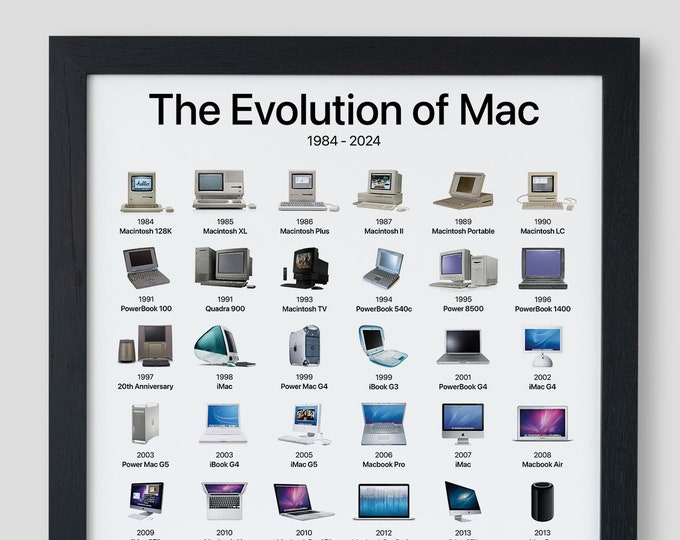
 Apple presents 30 years of mac highlighting 3 decades of tech design
I’m not saying throw it out. I’m saying know your limits. A 2012 MacBook Pro can still type novels. But don’t do online banking on it. That’s asking for trouble.
Can You Cheat Time? Sort Of.
If your Mac is four or five years old, you can buy some extra life. Upgrade the RAM (if it’s not soldered in—looking at you, modern Macs). Swap the hard drive for an SSD. It’s like giving your Mac a espresso shot.
But if your Mac is from 2013? Honey, it’s done. You can polish a turd, but it’s still a turd. I once tried to revive a 2011 Air. It ran faster, sure. But it still couldn’t run Zoom without glitching like a strobe light.
Truth bomb: Apple designs their hardware to last about five to seven years. After that, it’s a nostalgia piece. Like your old CD collection—nice to look at, but you wouldn’t use it daily.
So, What’s the Verdict?
Your Mac’s age isn’t just a number. It’s a harbinger of updates, speed, and battery life. If you’re running a 2020 model? You’re golden. Enjoy that smooth interface. You have years of loyalty ahead.
If you’re on a 2015 or older? Start planning for an upgrade. I know, it hurts. You’ve formed an emotional bond. That Mac has seen you through Netflix binges, late-night essays, and questionable downloads. But it’s time to say goodbye.
Or, you know, keep it as a decoration. Macs are pretty. Just don’t expect it to open Instagram without sighing heavily. You’ve been warned.
