How To Calculate Net Present Value

Let’s be honest: when someone mentions “Net Present Value” at a party, you either nod along while thinking about your laundry, or you immediately look for the nearest exit. I’...
Let’s be honest: when someone mentions “Net Present Value” at a party, you either nod along while thinking about your laundry, or you immediately look for the nearest exit. I’ve been there. It sounds like something only a person with a pocket protector and a spreadsheet for a soul would care about. But I’m here to tell you that NPV is actually the financial equivalent of that friend who tells you, “Don’t buy the fancy espresso machine right now, because you’ll be broke later.”
That friend might be annoying, but they’re usually right. NPV helps you decide if a future payoff is worth the money you’re spending today. Think of it as a time machine for your wallet, but without the DeLorean or the flux capacitor. You’re just asking: “Is this future cash worth more than my current cash, once I account for inflation, risk, and my general impatience?”
Why Your Brain Already Gets This (Yes, You)
Imagine your buddy Tim offers you a choice: $100 right now, or $120 in one year. Your gut probably says, “Gimme the hundred now, because I want tacos today.” That’s your brain doing a basic, sloppy NPV calculation. You’re weighing the time value of money—the idea that a dollar today is worth more than a dollar tomorrow because today’s dollar can be invested, or spent on tacos that bring immediate joy.
Must Read
But wait—what if Tim offers you $150 in a year? Now your brain hesitates. You start imagining what you could do with that extra $50. This is where NPV gets more precise than your gut feeling. It slaps a mathematical lens on your decision, turning your fuzzy “maybe” into a crisp “do it” or “run away.”
The Not-So-Scary Formula (It’s Just a Recipe)
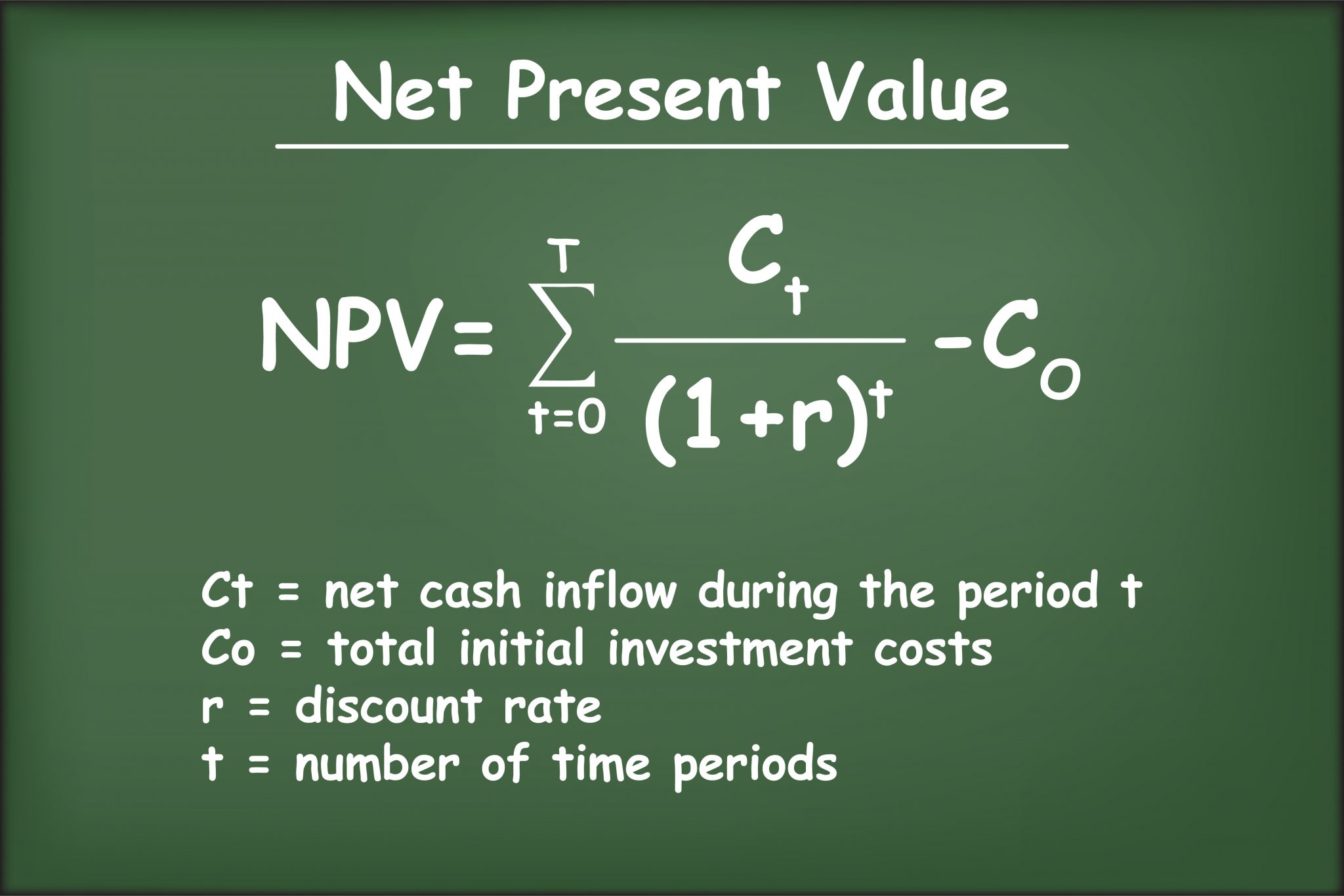
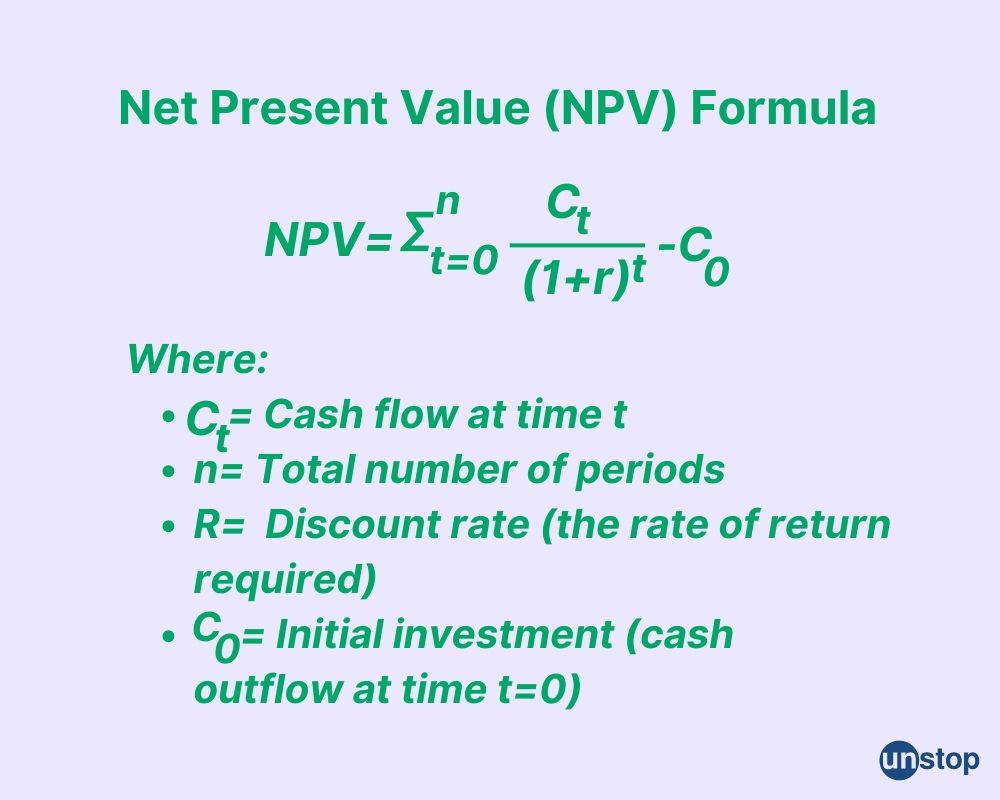
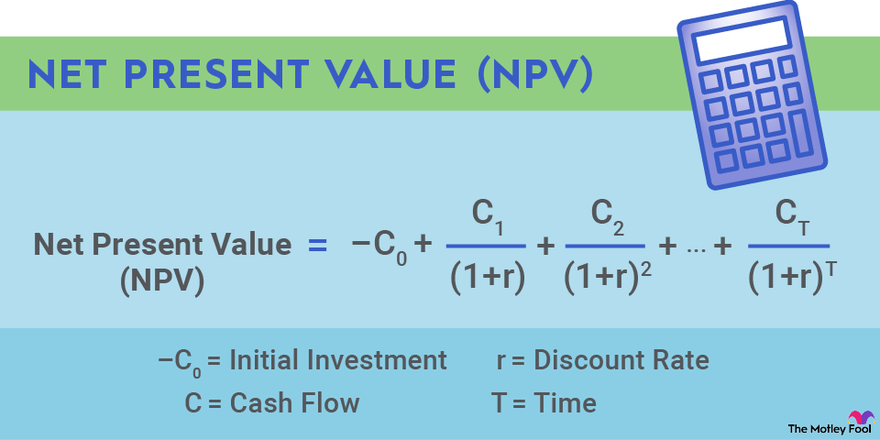
Okay, here’s the formula, but don’t panic. It’s like a recipe for banana bread—you just follow the steps. NPV = (Cash flow / (1 + discount rate)^number of years). Sounds nerdy, but think of the discount rate as your “I-want-it-now” tax. If you’re impatient, your discount rate is high (like 10%). If you’re patient, it’s low (like 2%).
Let’s do a real example. Say you want to buy a beat-up food truck for $10,000. You think it’ll make you $5,000 each year for the next three years. Your discount rate is 8% (because you could invest that $10,000 in stocks or a sad savings account). Calculate each year’s cash flow: Year 1 = $5,000 / 1.08 = $4,629. Year 2 = $5,000 / 1.08^2 = $4,286. Year 3 = $5,000 / 1.08^3 = $3,969.
 Net Present Value (NPV): Definition, Formula And Calculation // Unstop
Add them up: $4,629 + $4,286 + $3,969 = $12,884. Now subtract your original $10,000 cost. NPV = $2,884. That’s positive! Which means the food truck is a winner—in theory. Of course, in real life, you’d also factor in the fact that you hate cooking and the truck might break down, but that’s a whole other article.
The Three Life Lessons Hidden in NPV
First, NPV hates wishful thinking. If your discount rate is too low (like 1%—super optimistic), the NPV will look amazing, and you’ll buy that vintage sports car “as an investment.” A decade later, you’re drowning in repair bills. The formula forces you to be honest about risk. Use a higher discount rate for risky bets—like a friend’s startup idea involving avocado-based jet fuel.
Second, time is a cruel math teacher. The further out a cash flow is, the less it’s worth today. That $1,000 you’re supposed to get in 20 years? At a 10% discount rate, it’s worth only about $149 today. So when someone says, “Invest now and retire rich,” remember: NPV will cheerfully deflate their balloon. It’s the financial version of your mother saying, “That’s nice, dear, but have you saved for a rainy day?”
 Net Present Value Calculator What Is Net Present Value? | For Business
Third, NPV is the ultimate “should I or shouldn’t I?” tool. I once used it to decide between a high-paying job in a city I hated, versus a lower-paying one where I’d be happy. I plugged in the numbers: higher salary minus rent, commute misery, and therapy costs. The lower-paying job had a higher NPV for my happiness. The formula can’t measure joy, but it can measure the cost of misery. Use it.
A Very Unprofessional Anecdote to Seal the Deal
My friend Dave wanted to buy a timeshare. I pulled out my phone and did a quick NPV. The upfront cost was $20,000, annual fees were $1,500, and the cash flow (like saved hotel costs) was maybe $2,000 a year—if he actually went. After applying a 12% discount rate (because timeshares are riskier than a raccoon in a candy shop), the NPV was negative $14,000. Dave bought it anyway. He now calls it his “Tuition in the School of Bad Decisions.”
That’s the beauty of NPV: it doesn’t judge. It just presents the math. And if you still choose the impulsive route? Well, at least you knew what you were doing. Ignorance is expensive, but NPV is free. So next time someone offers you a “sure thing,” do the math. You might just save yourself from buying a popsicle factory in Antarctica.
And if you get stuck, just remember: positive NPV equals thumbs up, negative equals hard pass. Now go eat a taco with the $100 in your pocket—because that’s a positive NPV decision for your soul.
