How To Make All Purpose Flour Into Self Rising Flour

Ever found yourself in the middle of a baking project, only to realize you’ve got plain all-purpose flour and no self-rising stuff? It’s like showing up to a pool party withou...
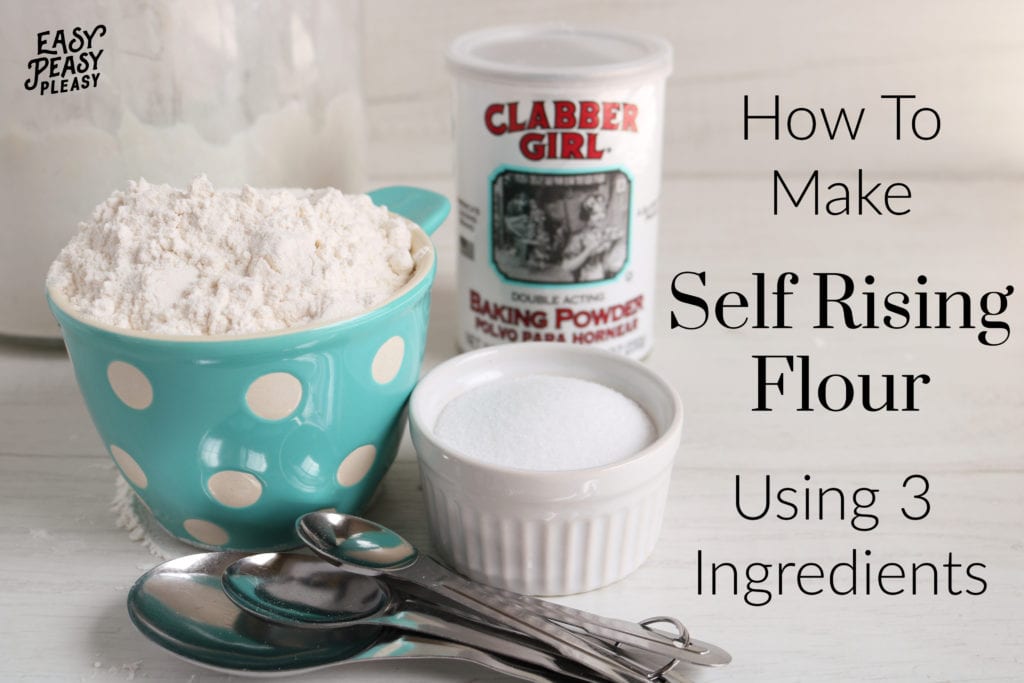
Ever found yourself in the middle of a baking project, only to realize you’ve got plain all-purpose flour and no self-rising stuff? It’s like showing up to a pool party without a swimsuit—awkward and totally avoidable. The good news? You can fix it in about 30 seconds flat.
Think of this as a kitchen hack that saves a trip to the store. Self-rising flour is really just all-purpose flour with a couple of secret weapons added: baking powder and salt. Why buy two bags when one can do double duty?
The magic ratio is simple: for every one cup of all-purpose flour, add 1½ teaspoons of baking powder and ¼ teaspoon of salt. That’s it—no PhD in chemistry required. Just whisk or sift those three ingredients together until they’re best friends.
Must Read
Why does this work? Baking powder is the engine that makes your biscuits and cakes rise, while salt adds flavor and strengthens the dough. All-purpose flour is just a blank canvas—you’re basically painting it with leavening power.
Wait—does this really taste the same? Honestly, yes. Most store-bought self-rising flour already has a similar salt-to-baking-powder ratio. You’re not reinventing the wheel; you’re just borrowing the recipe from the professionals.
Here’s the fun part: you can tweak it. Want a lighter, fluffier pancake? Add an extra pinch of baking powder. Prefer a slightly saltier biscuit? Bump the salt by an eighth of a teaspoon. It’s like being the DJ of your own flour blend.
But wait—what if you need a lot?
Let’s say you’re making a big batch of scones for brunch. Scale up the ratio: for every 4 cups of all-purpose flour, use 6 teaspoons of baking powder and 1 teaspoon of salt. Store it in an airtight jar, and you’ve got homemade self-rising flour ready to roll.
Pro tip: Label that jar clearly, because future you will forget and start guessing. I once mixed it up with regular flour and ended up with hockey-puck muffins—not a good look.
One thing to remember: baking powder loses its oomph over time. If your powder’s been sitting in the cupboard for six months, test it by dropping a spoonful into hot water. If it fizzes like a science fair volcano, you’re golden. If it just sits there, go buy fresh powder.
 Easy Beer Bread Recipe, No Added Yeast - ~Texas Homesteader~
So when should you use this hack?
It’s perfect for emergencies (craving buttermilk biscuits at 9 p.m.), budget saving (no need for a specialty ingredient), or experimentation (try it in pizza dough for a puffier crust?). The only rule? Don’t overmix the flour once you add liquid—you’ll deflate all that happy fizz.
Also, this homemade version works best in recipes that already call for self-rising flour. If a recipe uses yeast or a ton of eggs, stick to the original. But for quick breads, pancakes, drop biscuits, and even some cobblers? You’re in business.
Think of all-purpose flour as your quiet, reliable friend who can transform into a party guest with a simple costume change. Baking powder and salt are the accessories—like a sparkly hat and a feather boa—that turn a wallflower into the life of the party.
What’s the catch? Not much. But do avoid salt if your recipe already has salty ingredients (like bacon or cheese). You can always omit the salt and just add baking powder—it’s your kitchen, your rules.
Have you ever tried this? It’s one of those simple tricks that feels almost like cheating, because it’s so obvious once you know it. My grandmother used to keep a bag of homemade self-rising flour in her pantry, and she swore her biscuits were better than any store-bought mix.
Now you’ve got the power. Next time you’re halfway through a recipe and realize you’re out of self-rising flour, don’t panic. Just smile, grab your all-purpose, and do a little science magic right there on the counter.
Flour, baking powder, salt. Three ingredients that make one very flexible foundation. And the best part? You never have to worry about running out of the “right” kind again.
