How To Monetise A Musical Interval

So there I was, in a grimy Berlin club at 3 AM, watching a DJ drop a track built on a single, agonizingly perfect interval. It was a minor second—that clash of two notes a sem...
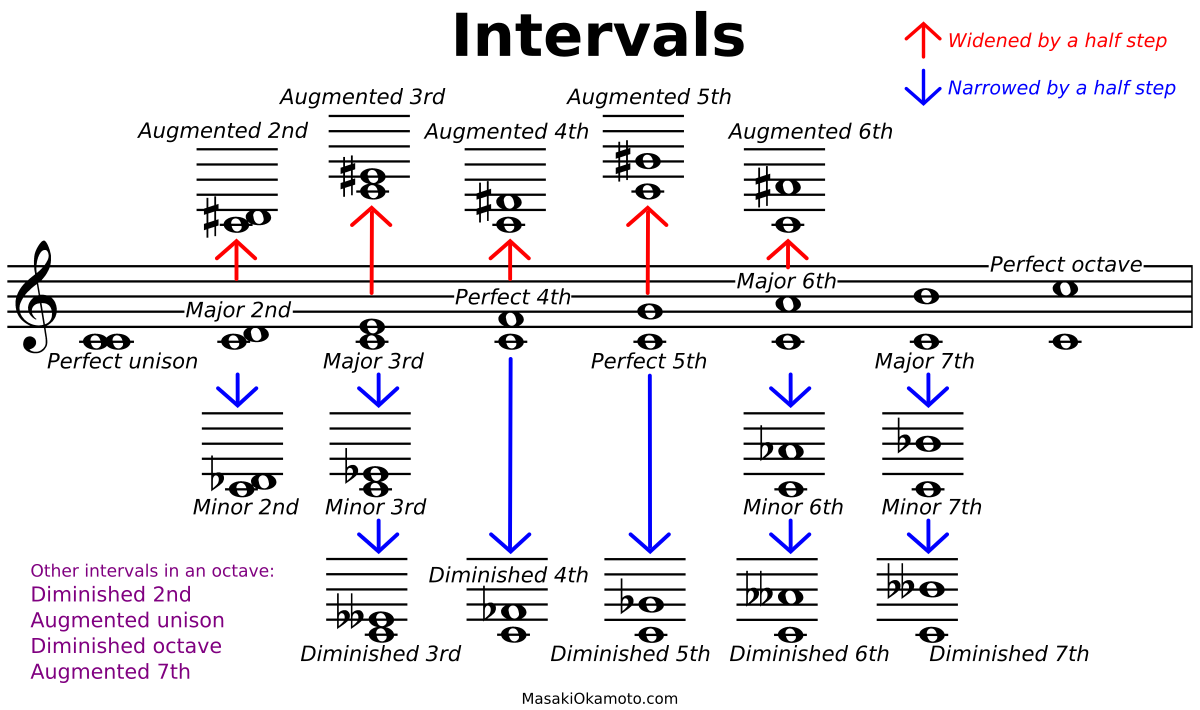
So there I was, in a grimy Berlin club at 3 AM, watching a DJ drop a track built on a single, agonizingly perfect interval. It was a minor second—that clash of two notes a semitone apart. The whole room wasn't dancing; it was suffering beautifully. I leaned to my friend and shouted, “That guy just monetised anxiety.” And honestly? He really did.
Musical intervals are the raw DNA of emotion. A perfect fifth feels like a power chord—all triumph and swagger. A tritone? That’s the “devil’s interval,” a sound so uneasy it got banned from medieval churches. But here’s the thing: once you know why they make your wallet twitch, you can use them to make people pay attention—and actually pay.
Interval #1: The Minor Third – The Tear-Jerker Tax
This is the sad interval. Think of the first two notes of “Greensleeves” or any somber ballad. It mimics the sound of a human sigh. The trick? Use it in advertising for insurance or luxury cars. You want the viewer to feel a pang of vulnerability, then a need for security.
Must Read
Monetize it: license a simple piano loop that leans on minor thirds to a life insurance company. They will pay you a retainer to make people feel mortal on a loop. (Yes, you are emotional vampires now. Welcome to the guild.)
Interval #2: The Perfect Fifth – The Brand Anthem Hammer
This is the sound of certainty. It’s the interval between the first and fifth note of a scale, used in every stadium anthem from Queen to EDM drops. It’s simple, open, and sounds like a crowd cheering even when it’s just a synth. Brands like Nike and Coca-Cola literally dump millions into music built on fifths.
Side note: Have you heard a Bluetooth startup’s jingle? It’s just two perfect fifths repeated. They’re screaming “we are reliable!” even if their product crashes. Monetize it: offer to write a jingle for a local business. Use only perfect fifths and a kick drum. They will think you’re a genius. Charge them $500.
Interval #3: The Augmented Fourth (Tritone) – The Clickbait Interval
This is the unstable one—the soundtrack to a horror movie jump scare or a villain’s arrival. But in the age of TikTok, instability is a goldmine. You can use it to create sonic tension that demands resolution. The listener’s brain screams, “What comes next?!” and that’s how you trap them.
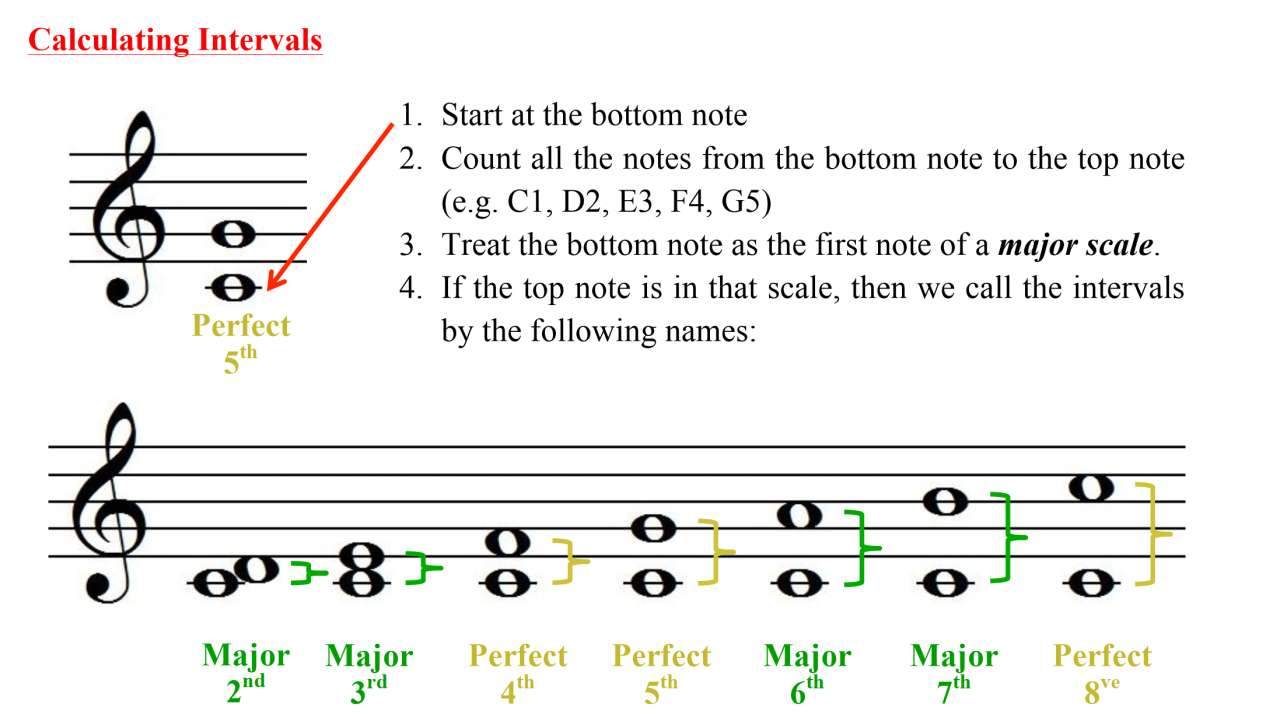 Music Theory for Beginners: How to Understand and Calculate Intervals
Monetize it: record a 10-second loop of a tritone on a cello or synth. Post it as a “mystery sound” and ask followers to guess the next note. Then sell the “resolution” as a paid download. It is the musical equivalent of a cliffhanger episode, and people will pay to ease the itch.
Interval #4: The Major Third – The Up-Sell Interval
This interval is pure, stupid happiness. It’s the opening of “Happy Birthday” and every TikTok summer hit. But here’s the ironic part: major thirds can make people spend more money, faster. Studies show that faster tempos with major intervals increase impulse buying in retail stores.
Pro tip: If you ever shop at IKEA, hum a minor third in your head. I swear, the meatballs taste more melancholy. Anyway, monetize it: offer to “sonically brand” a coffee shop’s playlist. Cram it with major third loops. Watch customers order a second flatwhite because they feel too chipper to leave. You get paid, they get caffeine jitters. Fair trade.
Interval #5: The Octave – The Subscription Fee
The octave is the most basic interval—same note, higher pitch. But it represents unity and completion. Think of the dun-dun-dun in a video game level-up sound. That’s an octave. It’s the sound of “you win.” And in business, “you win” means “renew your subscription.”
 How To Insert Time Intervals In Excel
Monetize it: design a notification sound for a budgeting app. Use a clean octave interval. It subconsciously makes users feel like they’ve achieved financial stability—even if they just spent rent money on sneakers. The app retains users. You get a royalty. Cha-ching is an octave, by the way.
The Final, Slightly Ironic Note
Look, I’m not saying you should compose a symphony for a cryptocurrency scam. But every interval is a psychological lever. You can pull them to make people laugh, cry, or buy a $9 avocado toast. The trick is to listen to your own gut reaction first. If a minor seventh makes you feel nostalgic for a breakup you never had, that’s a market.
So go ahead. Open your DAW, or just hum into your phone. Find the interval that makes your back hair stand up. Then ask yourself: “Can I sell this feeling?” The answer is almost always yes. Just remember: you are now one of the manipulators. Use your power wisely. Or don’t. But charge a premium for it.
Now go make that tritone pay rent. I’ll be over here, writing a jingle for a funeral home using only major sixths. (It’s called “Positive Closure.” The client loved it.)
