How To Prepare Ginger Root For Cooking

Let’s be honest—ginger root looks like a weird, knobby little hand from outer space. You bring it home from the store and stare at it, wondering what on earth you’re supposed...

Let’s be honest—ginger root looks like a weird, knobby little hand from outer space. You bring it home from the store and stare at it, wondering what on earth you’re supposed to do. But trust me, this gnarly rhizome is the secret to making your kitchen smell like a cozy hug. Once you learn how to handle it, you’ll wonder how you ever lived without that warm, zippy kick in your stir-fries, teas, and even cookies.
First things first: pick a good root
Not all ginger is created equal. When you’re at the market, look for a piece that’s smooth and firm, with shiny skin—nothing wrinkly or soft like a forgotten potato. If it’s already sprouting little green nubs, it’s still usable, but it’ll be a bit tougher and less flavorful (think of it as ginger’s “hangry” phase). Give it a sniff, too; fresh ginger smells bright and peppery, like a promise of something delicious.
Meet your new best friend: a spoon
You might think you need a fancy peeler for ginger, but honestly, a regular spoon works like magic. Hold the root firmly and scrape the skin off with the edge of the spoon—it glides right off, even around those lumpy knuckles. This trick saves you from losing half the flesh to a peeler, and it’s oddly satisfying, like unwrapping a weird little gift.
Must Read
If you’re in a rush or the ginger is super fresh, you can even skip peeling altogether. For many dishes, especially stir-fries or soups, the thin skin is totally edible and adds a bit of texture. Just give it a good scrub with a vegetable brush, and you’re golden.
How to slice, dice, and crush like a pro
Here’s where the fun begins, and you get to choose your own adventure. If you want big, mellow pieces for a broth or tea, just slice the peeled root into thin coins—think of them as little flavor time-capsules that release slowly. For a stir-fry, cut those coins into matchsticks (julienne, if you’re fancy) so they soften quickly and blend into the dish without surprising anyone with a crunchy bite.
For sauces, marinades, or salad dressings, you can grate the ginger on a Microplane or the small holes of a box grater. This releases all that spicy juice and fiber, turning it into a fragrant paste. Pro tip: freeze the whole root first, then grate it while frozen—no stringy bits, and it’s so easy.
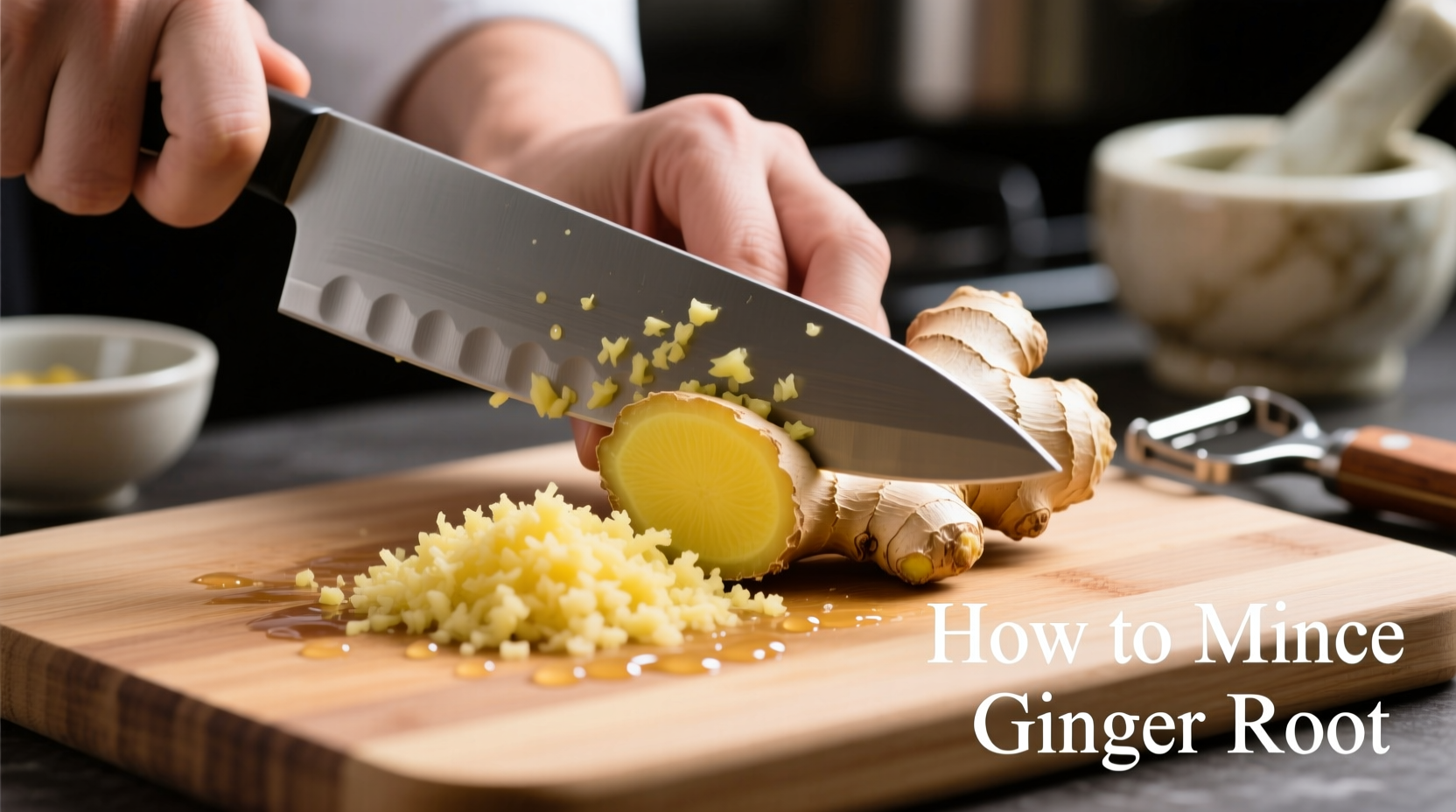 How to Use Ginger Root: Cooking Tips & Health Guidelines
And if you want to get a little primal, grab the flat side of a chef’s knife and smash a peeled chunk of ginger. This is my go-to for quick curries or sauces—it bursts open and infuses everything with its bold personality. Just like hammering a garlic clove, it’s a little bit cathartic.
Why you should care about this weird root
Here’s the real talk: ginger is the Swiss Army knife of the kitchen. A tiny knob can rescue a bland soup, turn a plain pan of veggies into something exciting, or make a simple cup of hot water feel like a spa treatment. Plus, it’s tough—it hangs out in your fridge for weeks without complaint, unlike that sad basil you forgot about.
But beyond practicality, ginger makes you feel like a real cook. Once you learn to prep it, you unlock a whole world of dishes: ginger chicken stir-fry, gingery rice, homemade chai, even gingersnap cookies that announce your baking prowess. It’s like having a hidden superpower that impresses everyone, including yourself.
 How To Prepare Ginger Root For Cooking (step-by-step Guide) | TAFT
A little story to seal the deal
The first time I made ginger tea from scratch, I was sick and whiny, curled up on the couch. I grabbed a chunk, peeled it with a spoon (badly), sliced it thick, and dropped it in boiling water with honey and lemon. Ten minutes later, I was sweating out my cold and feeling like a kitchen wizard. That moment of “I made this smell good and it’s helping me feel better” is pure gold.
Now, I keep a fresh ginger root in my fridge at all times, usually wrapped in a paper towel inside a plastic bag. When I’m too tired to cook, I just grate a teaspoon into boiling water with a splash of soy sauce and call it “dinner soup.” No regrets.
So go ahead—grab that gnarly root, give it a scrub or a scrape, and experiment. You can always freeze leftover ginger (yes, the whole root freezes beautifully), so you’ll never be without it. Your taste buds will thank you, and you’ll feel like a fearless chef who conquers lumpy vegetables with a simple spoon.
