How To Substitute Plain Flour For Self Rising Flour

Let’s be honest—mid-recipe chaos is practically a rite of passage in the modern kitchen. You’ve got your mixing bowl ready, your butter softening, and then you scan the pantry...
:strip_icc()/BHG-recipes-how-to-cooking-basics-self-rising-flour-substitute-01-898ad2bf44184361b1012e32e2bb958b.jpg)
Let’s be honest—mid-recipe chaos is practically a rite of passage in the modern kitchen. You’ve got your mixing bowl ready, your butter softening, and then you scan the pantry. Self-rising flour? Nowhere to be found. Panic bubbles up like a forgotten pot of pasta. But relax, friend. You are one simple substitution away from biscuit bliss.
The Magic of Three Ingredients
Self-rising flour isn’t some mystical pantry unicorn. It’s literally just all-purpose flour mixed with baking powder and a pinch of salt. That’s it. The genius of this blend is convenience—someone else did the math so you don’t have to. Think of it like a pre-made Spotify playlist: great for a party, but you can totally DIY your own.
For every single cup of self-rising flour your recipe demands, you’ll need 1 cup of plain (all-purpose) flour, plus 1½ teaspoons of baking powder, plus ¼ teaspoon of fine salt. Whisk these together in a small bowl before adding them to your wet ingredients. This ensures the leavening is evenly distributed—no one wants a lopsided muffin that rises like a shy teenager at a school dance.
Must Read
The Science-y Bit (But Make It Fun)
Baking powder is the party starter here. It reacts with liquid and heat to release carbon dioxide bubbles, giving your cakes and scones that glorious lift. Salt, meanwhile, isn’t just for flavor—it strengthens the gluten structure so your bake doesn’t collapse into a sad, flat pancake. Culture fact: self-rising flour became a staple in the American South during the 19th century because it simplified biscuit-making for busy households. Now you’re carrying that tradition forward, just with a whisk instead of a wood-fired stove.
Pro tip: Don’t use self-rising flour in yeast recipes like bread or pizza dough. Yeast needs its own party time. Stick this swap for quick breads, pancakes, scones, and—obviously—fluffy Southern biscuits.
When to Use the Swap (And When to Skip It)
This substitution works best in recipes where you already rely on baking powder or soda for lift. Think banana bread, drop biscuits, or a simple vanilla cake. Avoid it for delicate pastries like croissants or puff pastry, where chemical leaveners would mess with that gorgeous flaky layering. That’s like wearing flip-flops to a formal gala—technically possible, but deeply wrong.
One more pro move: Double check your baking powder’s freshness. It loses its oomph after about six months. To test it, drop a teaspoon into hot water—if it fizzes aggressively, you’re golden. If it just sits there, toss it and buy new. Your future pie deserves a proper lift.
A Tiny Math Lesson for Bakers
Most recipes call for self-rising flour in cups, but if yours uses grams, here’s the cheat sheet: 1 cup of plain flour weighs about 125 grams. So per 125g flour, add 1½ tsp baking powder and ¼ tsp salt. If a recipe calls for 2 cups (250g), just double the additions: 3 tsp baking powder and ½ tsp salt. Easy as pie. Literally.
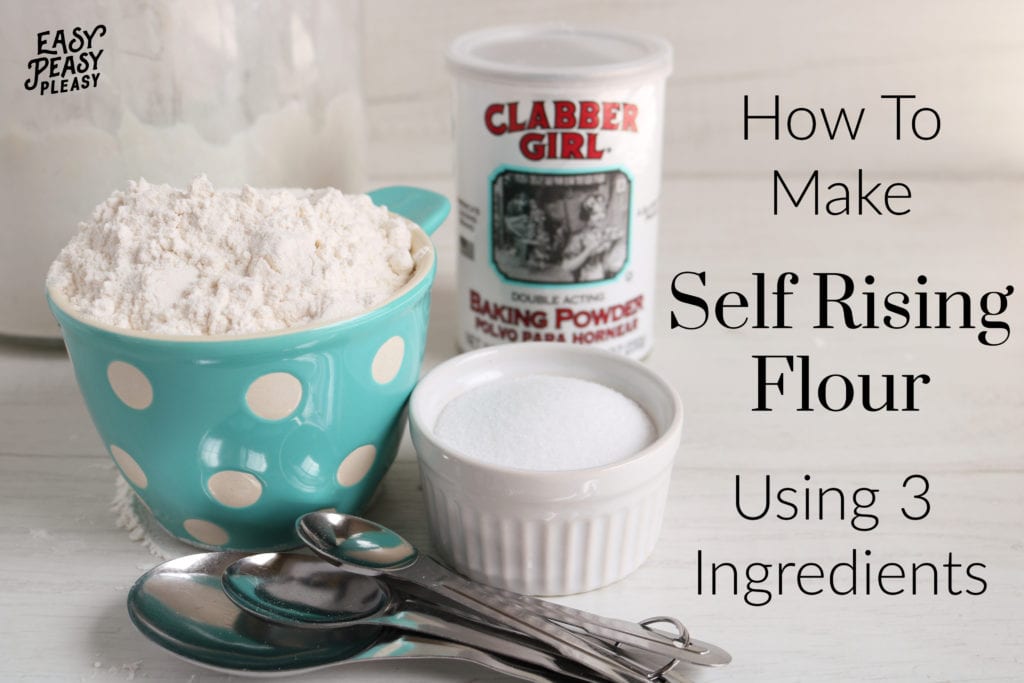 How To Make Self Rising Flour
Cultural reference alert: British self-rising flour (often called “self-raising”) includes a slightly different ratio—about 2 teaspoons of baking powder per cup. If you’re using a UK recipe, adjust accordingly. Otherwise, you might end up with a Victoria sponge that thinks it’s a frisbee.
The Emergency Guide: No Baking Powder Either?
Okay, fine. You’re out of both. Channel your inner MacGyver. For every teaspoon of baking powder, you can use a mix of ¼ teaspoon baking soda + ½ teaspoon cream of tartar (plus a touch of cornstarch to buffer moisture). It sounds complicated, but it’s actually a classic DIY method that pre-dates commercial baking powder. You’re basically a Victorian-era baker now, and honestly? That’s a vibe.
But here’s the catch: Baking soda needs an acid to activate. So if you go this route, make sure your recipe includes buttermilk, yogurt, lemon juice, or vinegar. Otherwise, your cake will taste like a science experiment gone wrong. Remember the old wives’ tale? “A pinch of soda, a splash of sour milk—a biscuit that makes your grandmother weep with joy.” (Okay, I made that up, but it feels true.)
Why This Little Swap Connects to Daily Life
Substituting plain flour for self-rising isn’t just baking chemistry—it’s a quiet metaphor for resourcefulness itself. Life hands you a missing ingredient, and you don’t give up. You adapt. You measure. You whisk. That same skill translates to missing a train, a broken zipper, or a last-minute dinner guest. The best solutions are often three simple things you already have: patience, creativity, and a willingness to stir until smooth.
So next time you’re staring at an all-purpose bag and feeling defeated, remember: you’re not just making a substitute. You’re owning your kitchen. And honestly, that slightly homemade version—with a little extra love and a dash of math—might taste even better than the store-bought mix. That, my friend, is the real secret ingredient.
:strip_icc()/BHG-recipes-how-to-cooking-basics-self-rising-flour-substitute-01-898ad2bf44184361b1012e32e2bb958b.jpg&description=How+To+Substitute+Plain+Flour+For+Self+Rising+Flour)