Is Cranberry Juice Good For Your Liver And Kidneys

So, you’re wondering if that tart, ruby-red bottle of cranberry juice is secretly a superhero for your liver and kidneys. Maybe you’ve heard rumors, or your aunt swears by it...
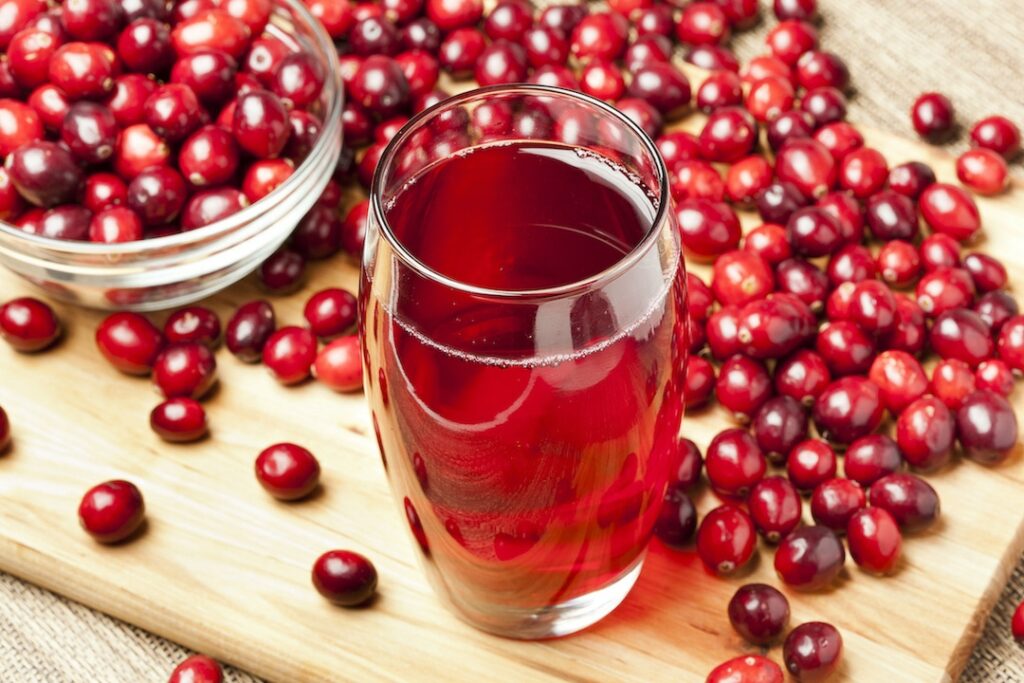
So, you’re wondering if that tart, ruby-red bottle of cranberry juice is secretly a superhero for your liver and kidneys. Maybe you’ve heard rumors, or your aunt swears by it after Thanksgiving dinner. Let’s dive in, shall we?
First, a quick reality check: your liver and kidneys are the unsung heroes of your body. Your liver is like a bouncer at a club, filtering out toxins, while your kidneys are the meticulous janitors, sweeping waste into your pee. Cranberry juice wants to help, but is it actually a VIP guest or just a party crasher?
The Kidney Connection: UTIs and Beyond
You’ve probably heard the biggest claim: cranberry juice fights urinary tract infections (UTIs). This is where the science gets a little juicy, but also a bit complicated.
Must Read
Cranberries contain compounds called proanthocyanidins (say that five times fast). These little guys can stop bacteria, especially E. coli, from sticking to the walls of your urinary tract. It’s like putting Teflon on your bladder—bacteria just slide right off!
But here’s the kicker: this works best for prevention, not treatment. If you already have a raging UTI, chugging cranberry juice is like throwing a water balloon at a wildfire. You need antibiotics for that, not a juice box.
What about your kidneys directly? Well, a UTI can sometimes travel up to the kidneys and cause a nasty infection called pyelonephritis. So, by preventing lower UTIs, cranberry juice might indirectly save your kidneys from a world of hurt. Score one for the berry!
But don’t expect cranberry juice to dissolve kidney stones. That’s a myth. In fact, cranberries are high in oxalates, which can actually contribute to certain types of kidney stones (the calcium oxalate kind). So, if you’re a stone former, maybe don’t go overboard. Your kidneys are polite, but they don’t want a rock party.
The Liver: A Tough Nut to Crack
Now, let’s talk about your liver—the body’s favorite multitasker. Can cranberry juice help it out? The research is a bit thinner here, but there’s some promising stuff.
Cranberries are packed with antioxidants, like vitamin C and flavonoids. These little warriors fight oxidative stress, which is basically your cells getting rusty from free radicals. Your liver works hard detoxifying everything, so a little antioxidant backup is always welcome.
Some animal studies suggest cranberry extract can reduce fatty liver disease and lower liver inflammation. But—and it’s a big, juicy but—human studies are less conclusive. So, while your liver might appreciate a glass, it’s not about to throw you a parade.
Here’s the tricky part: most store-bought cranberry juice is a sugar bomb. It’s often a “cocktail” loaded with high-fructose corn syrup. And guess what? Too much sugar is terrible for your liver—it can lead to fatty liver disease. So, if you down a gallon of sugary cran “drink,” you’re basically fighting fire with gasoline.
To get any real benefit, you need unsweetened 100% cranberry juice. And let’s be honest: that stuff is tart. It’s the kind of sour that makes your face cave in on itself like a Victorian ghost. Mixing it with water or another low-sugar juice (like a splash of apple) is totally fine.
 How Much Cranberry Juice Should You Drink for Your Kidneys? - Medilux
The Big Picture: Friend or Foe?
So, is cranberry juice a liver-and-kidney superhero? It’s more of a sidekick. It can help prevent UTIs (good for kidneys) and provide antioxidants (good for liver), but it’s not a magic potion. It won’t undo a diet of pizza and nachos, sadly.
For your kidneys, the biggest win is UTI prevention—especially if you’re prone to them. But watch the oxalates if you’re a stone maker. For your liver, the antioxidants are nice, but the sugar in most commercial juice is a dealbreaker. Drink it straight, unsweetened, or don’t bother.
Also, a quick note: if you’re on blood thinners like warfarin, cranberry juice can interact with them. Always check with your doctor before making it a daily habit. Nobody wants a surprise trip to the ER over a glass of juice.
How to Drink It Without Regret
Here’s a simple rule: buy unsweetened, 100% juice. Then dilute it. I do one part cranberry juice, two parts sparkling water, and a squeeze of lime. It tastes like a fancy mocktail and doesn’t send your liver into sugar shock.
Another idea: use it as a splash in smoothies or salad dressings. A little goes a long way. You’re not trying to bathe in it—you’re just saying “hello” to your organs.
Remember, your liver and kidneys are forgiving. They don’t need cranberry juice; they need water, a balanced diet, and for you to not marinate them in alcohol and processed food. Cranberry juice is a bonus, not a cure.
The Uplifting Conclusion
Here’s the truth: you don’t have to be perfect. Your liver and kidneys are tough little troopers. They deal with your late-night Doritos binges, that extra glass of wine, and even the occasional skipped gym day. They’re on your team.
So, drink your cranberry juice if you like it—go for the unsweetened kind or a cranberry-infused water. Lift your glass (or your water bottle) and say, “Cheers, kidneys! Thanks for filtering my terrible life choices.” Your organs will appreciate the gesture, even if they don’t throw confetti.
And if you ever feel overwhelmed by all the health advice, just remember: you are not your mistakes. You’re a living, breathing, wonderfully messy human who is trying their best. A little tart juice won’t fix everything, but kindness to yourself? That’s the real superpower. Now go hydrate—and smile. Your insides are rooting for you.
