Is Vanilla Extract And Vanilla Flavoring The Same Thing

Let’s be honest—when you reach for that little brown bottle in your baking cabinet, you’re probably thinking, “Vanilla is vanilla, right?” Wrong! The difference between vanill...

Let’s be honest—when you reach for that little brown bottle in your baking cabinet, you’re probably thinking, “Vanilla is vanilla, right?” Wrong! The difference between vanilla extract and vanilla flavoring is a delicious little secret that can transform your kitchen adventures. Trust me, once you know the truth, you’ll never look at a cookie the same way again.
So, what’s the real difference?
It all comes down to one thing: where the flavor comes from. Vanilla extract is made by soaking real vanilla beans in alcohol and water, which pulls out those complex, aromatic compounds. Vanilla flavoring, on the other hand, is often made with synthetic vanillin—a lab-created molecule that mimics the main taste of vanilla.
Think of it like the difference between a hand-picked, sun-ripened strawberry and a strawberry-flavored candy. Both are sweet, sure, but one has depth, mystery, and a little soul.
Must Read
Why does your cookie care?
Here’s where it gets fun: your taste buds are way smarter than you give them credit for. Real vanilla extract contains hundreds of flavor compounds, each dancing in your mouth like tiny, joyful flavor fairies. Vanilla flavoring contains mostly just one compound, so it’s like a one-note song on repeat.
Bakers call real extract the “backbone” of a dessert—it doesn’t scream “I’M VANILLA!” but instead lifts chocolate, berries, and spices to their highest potential. Flavoring? It’s the loud, enthusiastic friend who might steal the spotlight.
The label language (don’t be shy—check the bottle!)
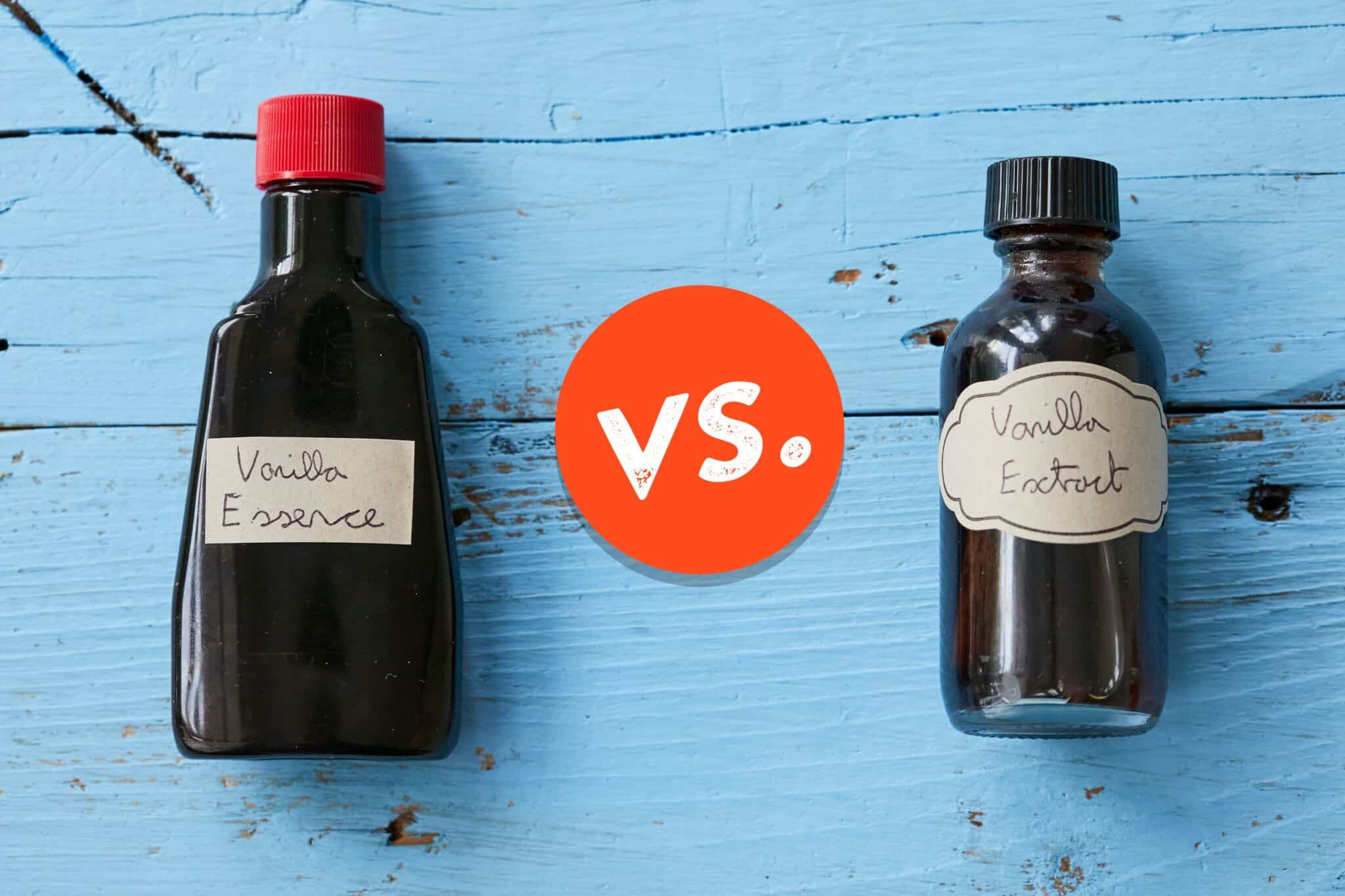
If you see “vanilla extract” on the label, you’re getting the good stuff from actual beans. If it says “vanilla flavoring” or “imitation vanilla,” you’re getting a synthetic version. Some cheaper extracts mix real extract with synthetic vanillin, so always read the fine print—it’s like a tiny detective game for adults.
Bonus tip: real vanilla extract is usually dark brown and smells like a warm hug; imitation is often clearer and smells a bit sharper. Your nose knows!
But wait—is one “better”?
Not necessarily! Life is about matching the right tool to the right job. Use real vanilla extract when you want that rich, nuanced flavor to shine—like in buttercream, custards, or a simple sugar cookie. Use vanilla flavoring when you’re baking a giant batch of chocolate chip cookies for a party—the chocolate will cover up the subtle differences, and your wallet will thank you.
 Is Vanilla Flavouring The Same As Vanilla Extract | Detroit Chinatown
Think of it as your flavor palette: you can paint a masterpiece with expensive oils, or a cheerful sketch with crayons. Both are valid! Vanilla flavoring is also more heat-stable, so it won’t “bake out” as quickly in high-temperature recipes.
A secret for the curious
Go ahead—do a taste test side-by-side. Dip a toothpick into real extract, then a dab of flavoring. Notice how the real one lingers, while the imitation fades fast. This is the same joyful curiosity that makes cooking feel like experimentation instead of chore.
And here’s the best part: you can actually make your own vanilla extract by sticking a few sliced vanilla beans into a bottle of vodka and waiting two months. It’s like crafting a tiny, edible time capsule—and you’ll impress everyone at the next bake sale.
The uplifting truth
So, are vanilla extract and vanilla flavoring the same thing? No, but that’s wonderful news. It means you have a choice—a delicious, personal choice that lets you be the hero of your own dessert. Whether you go for the deep, complex real deal or the bright, cheerful imitation, the magic is in the intention you pour into every spoonful.
Life is too short to worry about perfection—just get into the kitchen, have fun, and taste the world with both your palate and your heart. Curiosity is the secret ingredient. Now go bake something amazing!
