Ranganathan Five Laws Of Library Science

So, you think libraries are just about dusty old books and shushing librarians? Think again! The father of library science, S.R. Ranganathan, had some revolutionary ideas that...
So, you think libraries are just about dusty old books and shushing librarians? Think again! The father of library science, S.R. Ranganathan, had some revolutionary ideas that still shape the way we think about libraries today. In fact, his Five Laws of Library Science are still widely used and revered in the library world.
But before we dive into the laws, let's talk about Ranganathan himself. This Indian mathematician and librarian was a bit of a rockstar in the library world, and his work is still widely studied and admired today. He even has a Google Doodle dedicated to him, which is basically the ultimate honor in the internet age!
The First Law: Books are for Use
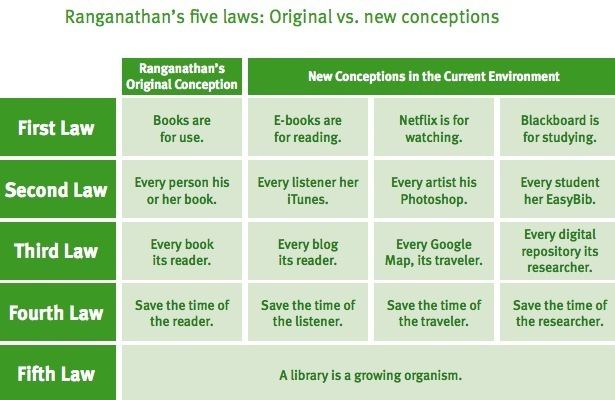
The first law states that books are for use, not just for decoration or to look good on a shelf. This might seem obvious, but back in Ranganathan's day, many libraries treated books like museum pieces, handling them with white gloves and barely letting anyone touch them. But Ranganathan was all about making books accessible to everyone, and this law reflects that.
This law is all about democratizing access to information, and it's still a core principle of library science today. Whether you're a student, a researcher, or just a curious reader, libraries are meant to be welcoming spaces where you can explore and learn. And with the rise of e-books and digital libraries, this law is more relevant than ever!
The Second Law: Books are for All
The second law states that books are for all, regardless of age, income, or social status. This law is all about inclusivity and equity, and it's had a huge impact on the way libraries serve their communities. From children's storytime to adult literacy programs, libraries are working hard to reach every segment of society and make sure everyone has access to the information they need.
This law is especially important in today's diverse and multicultural societies, where libraries need to reflect the unique needs and experiences of their communities. By providing multilingual materials, cultural programs, and accessible services, libraries can help bridge the information gap and promote social cohesion. It's a big job, but someone's gotta do it!
The Third Law: Every Reader has his/her Book
The third law states that every reader has his or her book, which means that each person has their own unique reading tastes and preferences. This law is all about personalization and reader's advisory, and it's led to the development of book recommendation tools and personalized reading lists. Who doesn't love getting a personalized book recommendation from a librarian or a friend?
This law also recognizes that reading is a highly personal activity, and what works for one person might not work for another. By acknowledging and respecting these differences, libraries can create inclusive and welcoming environments that make everyone feel at home. And let's be real, who doesn't love a good book club or reading group to discuss their latest reads?
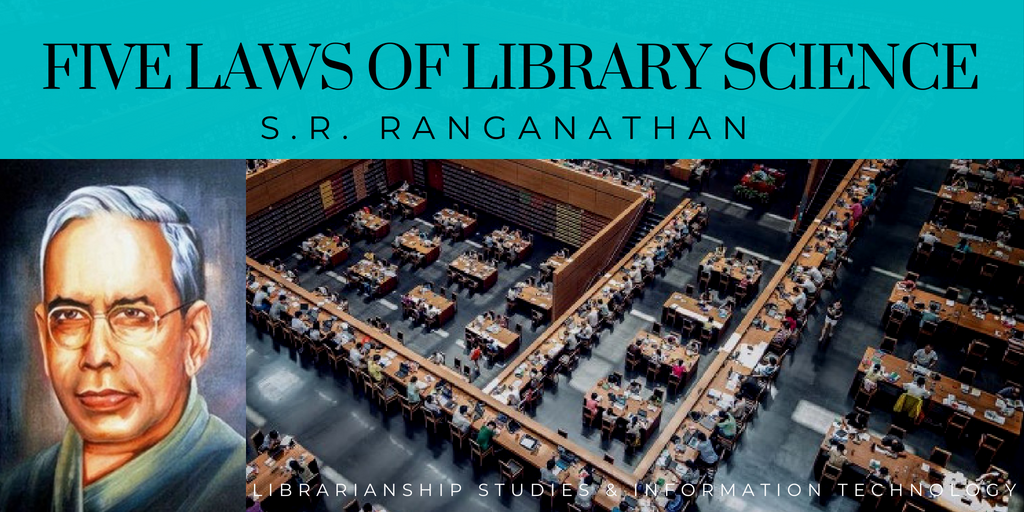 Five Laws of Library Science
The Fourth Law: Save the Reader's Time
The fourth law states that save the reader's time, which means that libraries should be organized and efficient to help readers find what they need quickly and easily. This law is all about user experience and information architecture, and it's led to the development of intuitive catalog systems and streamlined search interfaces. Because let's face it, who has time to waste hours browsing through shelves when you can find what you need in seconds?
This law is especially important in today's fast-paced and busy world, where people are looking for quick and easy access to information. By saving readers' time and making it easy for them to find what they need, libraries can promote lifelong learning and information literacy. And who knows, you might just discover a new favorite book or author in the process!
The Fifth Law: The Library is a Growing Organism
The fifth and final law states that the library is a growing organism, which means that libraries need to be flexible and adaptable to changing community needs and technological advancements. This law is all about innovation and continuous improvement, and it's led to the development of new library models and experimental services. From makerspaces to virtual reality experiences, libraries are constantly evolving to meet the changing needs of their communities.
This law recognizes that libraries are not static institutions, but rather dynamic and responsive organizations that need to stay ahead of the curve. By embracing change and innovation, libraries can continue to thrive and remain relevant in the digital age. And who knows, you might just discover a new favorite library service or program that you never knew existed!
In conclusion, Ranganathan's Five Laws of Library Science are still widely relevant today, and they continue to shape the way we think about libraries and information. Whether you're a bookworm, a researcher, or just a curious reader, libraries are welcoming spaces that offer something for everyone. So next time you visit your local library, remember Ranganathan's laws and the revolutionary ideas that are still changing the game today!
