Should I Bake My Mac And Cheese Covered Or Uncovered

Let’s be honest: mac and cheese is the ultimate comfort food. It’s the dish we turn to after a long week, a rainy day, or when we just need a warm hug on a plate. But a quiet,...
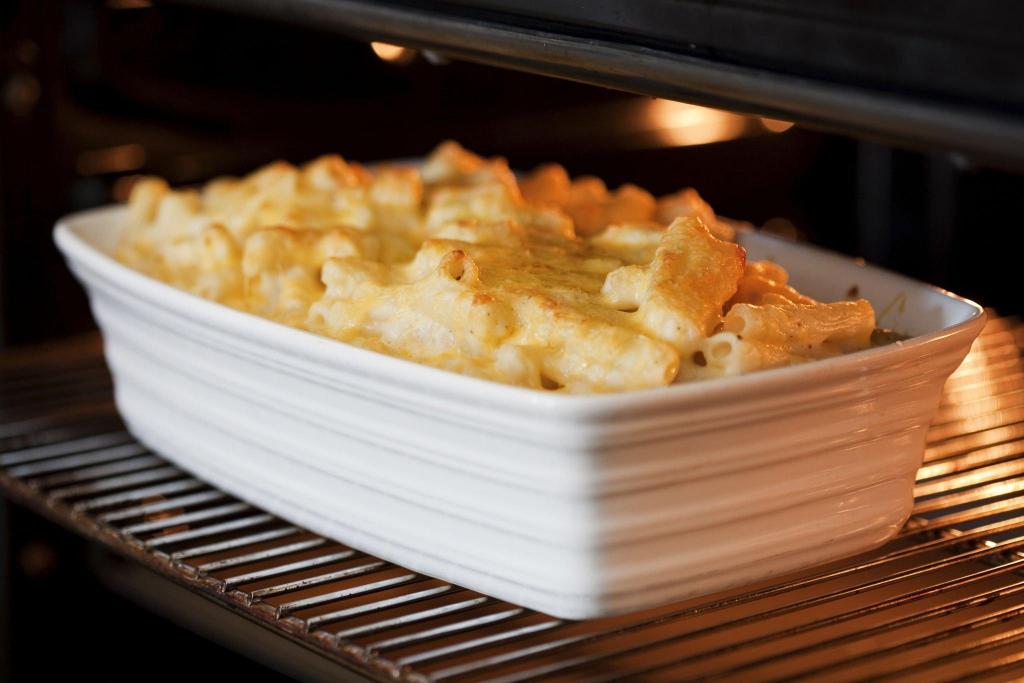
Let’s be honest: mac and cheese is the ultimate comfort food. It’s the dish we turn to after a long week, a rainy day, or when we just need a warm hug on a plate. But a quiet, kitchen-sink debate rages every time we slide that baking dish into the oven: should we bake it covered or uncovered?
It’s a question that splits dinner tables and causes friendly feuds among home cooks. You might think it’s a trivial choice, but your answer decides the very soul of your macaroni. Let’s settle this once and for all, with a side of golden-brown wisdom.
The Case for Covered: Steamy and Creamy
Baking your mac and cheese covered is like giving it a spa day. The lid or foil traps steam, creating a humid environment that gently reheats the pasta without drying it out.
Must Read
This method is your best friend if you treasure a luscious, saucy texture. The cheese sauce stays fluid, wrapping every elbow macaroni in a velvety embrace.
Think of it as the protective parent of baking methods. It prevents that dreaded crust from forming, ensuring every bite is as tender as the first one you pulled from the pot.
When to Go Covered
You’ll want to use the cover when you’re prepping ahead for a party. Baking covered allows the dish to heat through evenly without the top burning while the middle stays cold.
It’s also a lifesaver if your mac and cheese is really creamy from the stovetop. The steam keeps the sauce from splitting or turning greasy, which can happen under direct high heat.
Pro tip: If you’re using a richer cheese like Gruyère or fontina, covering helps maintain their delicate, melt-in-your-mouth qualities. Nobody wants a rubbery cheese pull.
The Case for Uncovered: Crispy and Golden
Now, for the rebels: baking uncovered is how you get that legendary, crackling top. This method is all about texture, transforming the surface into a crunchy, irresistible crust.
This is the route for fans of the Maillard reaction—that magical browning that adds deep, toasty, nutty flavors. Those golden patches are not just pretty; they’re flavor bombs.
Uncovered baking dries out the top layer slightly, which is exactly what you want for a breadcrumb or panko topping. It creates a satisfying crunch that contrasts the soft, gooey pasta underneath.
When to Go Uncovered
Go uncovered when you’re craving that nostalgic, diner-style mac and cheese. The kind where the edges are a little crisp and the top has a bubbly, browned cheese crust.
It’s also perfect for a last-minute dinner party. An uncovered bake in a hot oven—say 400°F—can give you that beautiful top in just 10 to 15 minutes. Simple and effective.
Fun fact: The legendary chef Julia Child was a fan of the uncovered approach. She believed the crispy top was the reward for the work of making the sauce from scratch.
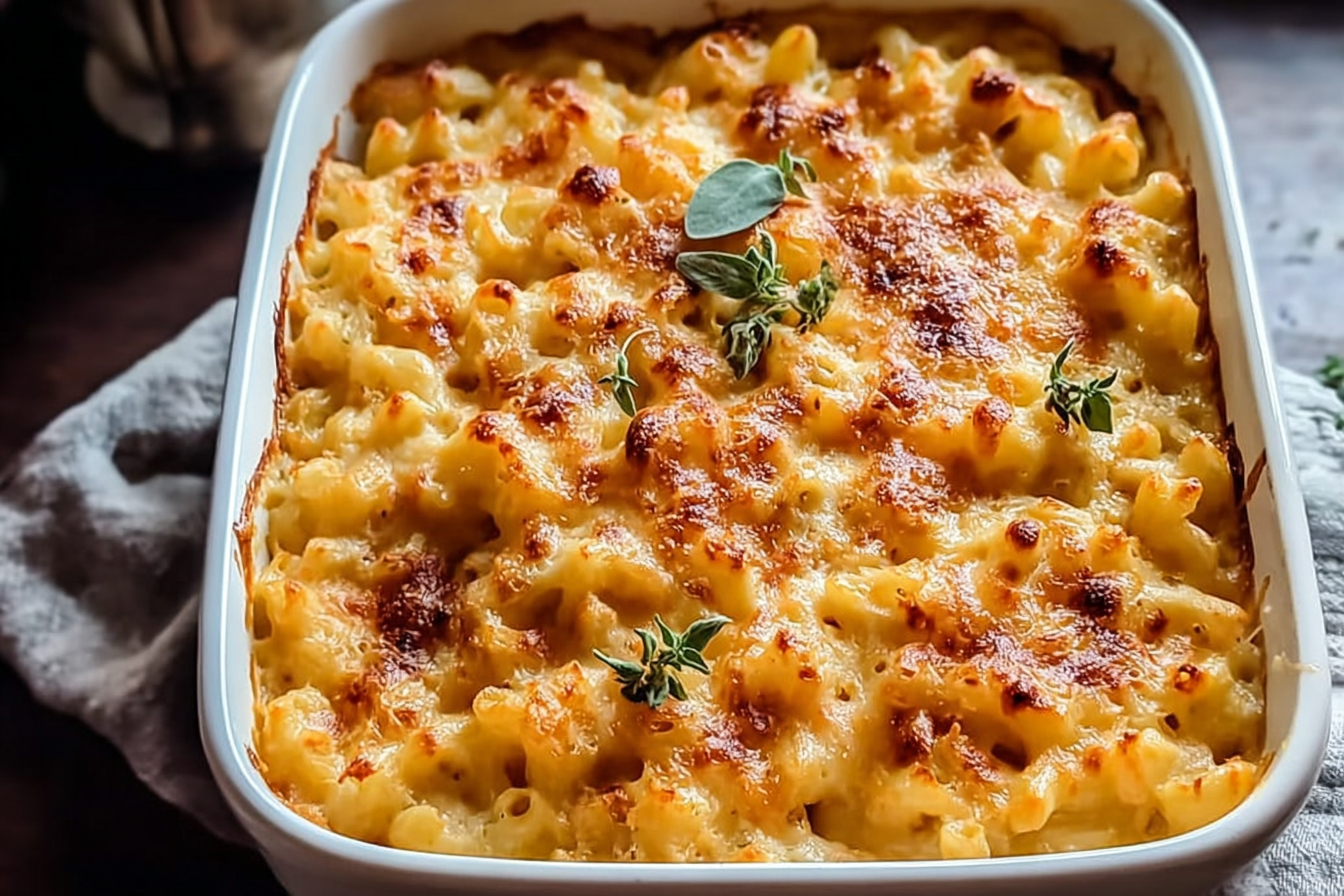 Baked Mac And Cheese Recipe That Brings Comfort Fast
The Best Approach: The Hybrid Hack
Why choose one extreme when you can have both? The hybrid method is the secret weapon of mac and cheese pros. Start covered, finish uncovered.
Begin by baking your dish covered for about three-quarters of the total time. This ensures the interior is heated through and the sauce stays creamy and stable.
Then, remove the cover for the final 10 to 15 minutes. This is when the magic happens: the top gets its golden crust, while the inside remains lush and decadent. It’s the best of both worlds.
Practical Tips for the Perfect Bake
Tip #1: Always undercook your pasta by about one minute before baking. It will continue to cook in the oven, and this prevents it from turning into mushy, sad noodles.
Tip #2: Let your mac and cheese rest for five minutes after it comes out of the oven. This allows the sauce to set, so it doesn’t slide off your plate like a cheesy river.
Tip #3: If you are using breadcrumbs, toss them with melted butter before sprinkling on top. This ensures a golden, crunchy crust that doesn’t burn. It’s a tiny touch with huge payoff.
A Brief Cultural Detour
Mac and cheese is a global story. Italy has its baked pasta al forno, Canada loves it with sharp cheddar, and Trinidad adds a punch of Scotch bonnet pepper. But the covered vs. uncovered debate is universal.
In the American South, you’ll often find it baked uncovered with a thick, custard-like egg base. Meanwhile, New England versions lean covered, preserving a silky, stovetop-style creaminess. Your choice can be a subtle nod to your regional roots.
Little fact: The first recorded mac and cheese recipe was in a 14th-century Italian cookbook called Liber de Coquina. It was baked uncovered in a simple pastry shell. Some traditions never die.
A Reflection for Daily Life
At its heart, the decision to bake covered or uncovered mirrors how we approach so much in life. Do we protect and nurture, or do we expose ourselves to the heat and let a crisp edge form?
Covered is the gentle, patient path—the slow Sunday afternoon with a good book. Uncovered is the bold, adventurous choice—the spontaneous road trip that leaves you with a few burnt edges but the best stories.
Maybe the real answer isn’t which method is “right.” Maybe it’s about knowing that both are valid, and that the perfect dish—like the perfect day—comes from knowing when to shield and when to shine. So go ahead, bake your mac and cheese your way. And don’t forget to save a slice of the crunchy corner for yourself.
