Substitute Gluten Free Flour For Whole Wheat Flour

So, there I was, staring at a lump of dough that looked less like fluffy bread and more like a sad, grayish hockey puck. I had proudly swapped my usual whole wheat flour for a...
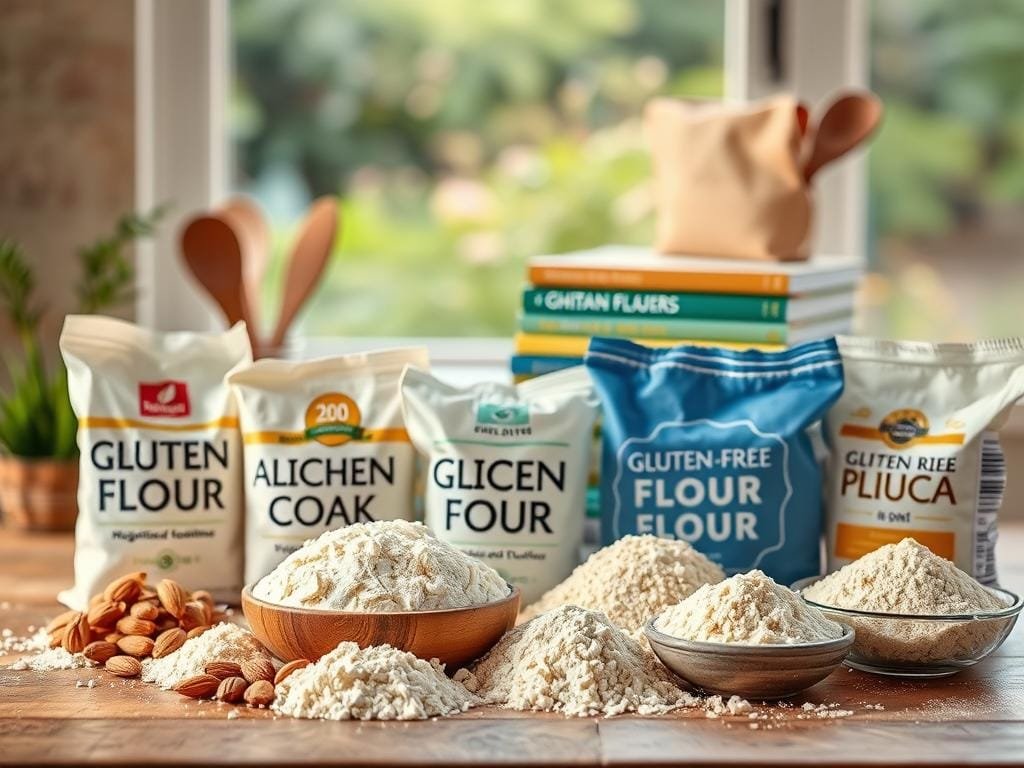
So, there I was, staring at a lump of dough that looked less like fluffy bread and more like a sad, grayish hockey puck. I had proudly swapped my usual whole wheat flour for a gluten-free blend, convinced I was about to become a health-forward baking wizard. Spoiler alert: I was not a wizard. I was a very confused person scraping cement-like crumbs out of a loaf pan.
That kitchen disaster taught me something crucial: swapping gluten-free flour for whole wheat isn't a one-for-one trade—it's a whole new science experiment. You can't just dump in the powder and hope for the best. Trust me, I’ve tried, and my trash can has the receipts to prove it.
Let’s get one thing straight: gluten is the structural magic in whole wheat flour. It’s the elastic protein network that traps air and gives bread that satisfying chew. When you remove gluten, you lose that stretchy backbone, so your baked goods can turn into crumbly sandcastles if you’re not careful.
Must Read
Here’s the good news—you can absolutely substitute gluten-free flour for whole wheat flour. But you need to play by different rules. The first rule? Stop thinking of it as a straight swap. Think of it as a collaboration between you, the flour, and a few secret weapons.
Most gluten-free all-purpose blends are a mix of rice flour, potato starch, and tapioca flour. They behave nothing like whole wheat. They’re lighter, drier, and they soak up liquid like a sponge at a water park. So, for every cup of whole wheat you replace, add an extra tablespoon of liquid—water, milk, or even an egg. Your batter will thank you.
But wait—there’s more. Whole wheat has a nutty, hearty flavor and a coarse texture. A standard gluten-free blend? That can taste a bit… neutral, sometimes even gritty. To mimic the depth of whole wheat, I like to mix in a little teff flour, oat flour, or buckwheat flour. These add back that earthy punch. (And no, buckwheat isn’t wheat—it’s a seed, totally gluten-free. Weird, right?)
Let’s talk about binders. Gluten is the original binder, so when it’s gone, you need a stand-in. Xanthan gum is the star here. Most store-bought blends already have it, but if you’re making your own mix, add about ½ teaspoon per cup of flour. If you don’t, your cookies will crumble like your dreams of a perfect brownie.
Another game-changer? Apple cider vinegar. I know, it sounds like a prank, but a splash of acidity helps strengthen the protein in gluten-free flours. It’s a little bit of kitchen chemistry that makes your cakes rise higher. Plus, you can’t taste it—I promise. Just don’t tell anyone, and they’ll think you’re a genius.
Now, a word on hydration time. Whole wheat flour absorbs liquid gradually. Gluten-free blends soak it up fast and then keep soaking. So let your batter or dough rest for 15–20 minutes before baking. This gives the flours time to hydrate fully, so you don’t end up with a dry, crumbly mess. Yes, it requires patience. No, you can’t skip it.
 How to Adapt All My Recipes to be Gluten-Free - The Conscious Plant Kitchen
Here’s a trick I stole from a professional baker: add a little bit of yogurt or sour cream to your mix. The extra fat and acidity improve moisture and tenderness. It’s like giving your gluten-free dough a spa day. Your muffins will come out soft and pillowy, not like those sad hockey pucks I mentioned earlier.
But what about yeast baking? Bread, pizza dough, bagels—the big ticket items. Whole wheat bread relies on gluten to trap gas from yeast. Gluten-free bread needs more structure. Try adding a tablespoon of psyllium husk powder to your dry ingredients. It forms a gel that mimics gluten’s stretch. Really. Your artisan loaf will have an actual crumb, not a crater.
Let’s be real here—you’re never going to get a perfect, gluten-free copy of a whole wheat baguette. And that’s okay. You’re aiming for delicious, not identical. Embrace the crumblier texture. Think of it as a rustic, wholesome charm. Your banana bread might be denser, but it can still be very good. I’ve eaten a whole loaf myself. No judgment.
Don’t forget to adjust your oven temperature. Gluten-free batters often brown faster because of the sugars in rice flour. So lower the heat by 25°F and bake a little longer. That way, your cookies get golden, not burnt. And nobody wants to explain to their guests why the cookies look like charcoal frisbees.
One final, slightly embarrassing tip: weigh your flour. I resisted this for years because I like to live dangerously. But gluten-free blends are lighter than whole wheat. A cup of whole wheat weighs about 120 grams; a cup of gluten-free blend is around 140 grams. If you scoop by volume, you might accidentally add too much flour and end up with a brick. A gluten-free brick—the worst kind of brick.
So, back to that original disaster in my kitchen. What did I learn? That substituting gluten-free flour for whole wheat flour is totally doable, but it demands a tiny bit of science and a lot of grace. You’ll have some epic fails—I still do—but you’ll also have those wins where a cookie crumbles perfectly in your hand instead of your soul.
Go ahead, give it a try. Use a good blend, add that extra liquid, don’t skip the xanthan gum, and please let your batter rest. And if your first attempt looks suspiciously like that gray hockey puck? Don’t worry. That’s just your initiation into the gluten-free baking club. We’ve all been there.
