Symptoms Of Flu In A Dog

Your dog can’t tell you their throat hurts, but they have other ways of sending smoke signals. Canine influenza, or dog flu, is more common than most pet parents realize, and...

Your dog can’t tell you their throat hurts, but they have other ways of sending smoke signals. Canine influenza, or dog flu, is more common than most pet parents realize, and it moves through social circles like a bad cold at a music festival. Spotting the symptoms early is your best defense against a household quarantine.
The Telltale Sneeze That’s More Than Dust
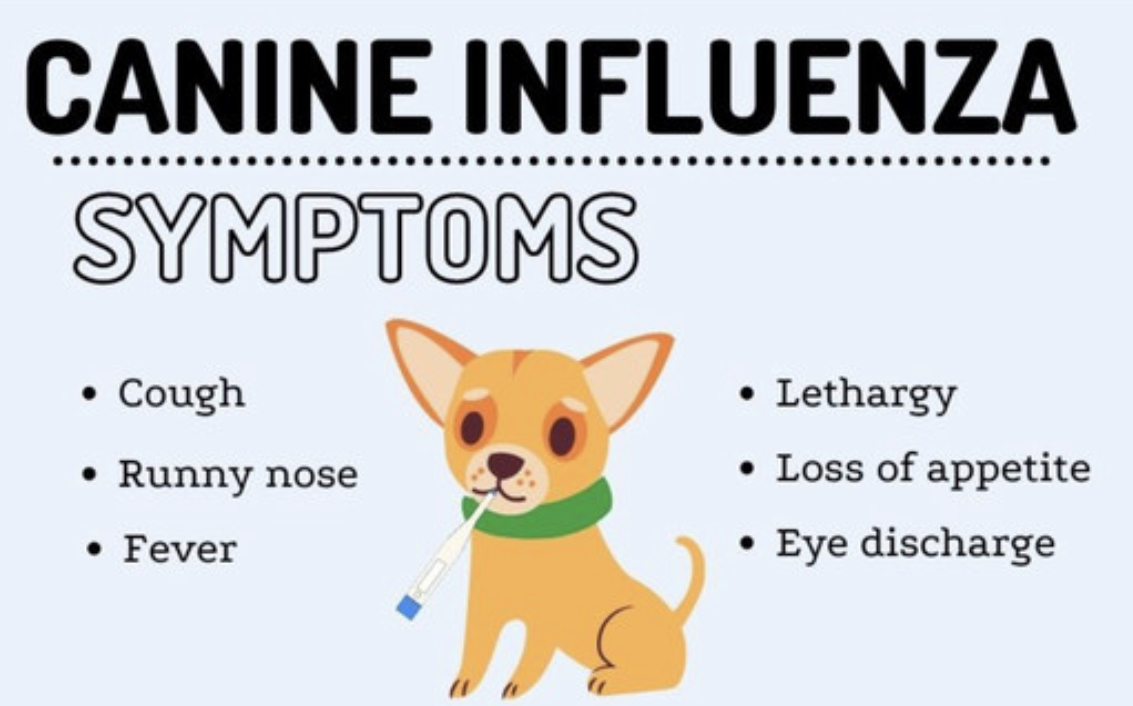
A single sneeze is cute. A fit of sneezes that sounds like a tiny motor revving? That’s your first hint. Dogs with the flu often develop a persistent cough that can be dry and hacking, almost like they’re trying to clear a bone from their throat.
Don’t confuse this with kennel cough, though the sounds are eerily similar. The key difference? The flu brings along a full party of systemic symptoms, not just a scratchy noise. If your pup is coughing and also acting like they just ran a marathon, you’re in flu territory.
Must Read
Lethargy: When Netflix and Chill Becomes a Medical Clue
Your usually bouncy golden retriever is now a furry, unmoving log on the couch. That’s lethargy, and it’s a classic early sign. Dogs with the flu often sleep 20 hours a day, skipping walks and ignoring even the squeakiest of toys.
It’s almost poetic—they mirror our own flu-ridden behavior, burying themselves under blankets and giving you side-eye for suggesting a trip to the park. If your dog’s energy drops suddenly, take note. A lazy Sunday is one thing; a three-day hibernation is a memo to read.
The Runny Nose That Belongs in a Rom-Com
You know that scene in a movie where someone sneezes and looks ridiculous? Your dog is living that right now, but with more dignity. A clear, watery nasal discharge is common. If it turns thick, yellow, or green, that’s a red flag for a secondary infection.
Similarly, watch their eyes. Red, goopy, or glassy eyes often accompany the runny nose, making your pooch look both pitiful and slightly possessed. It’s not a fashion statement; it’s inflammation from the virus.
Fever: The Silent Hot Potato
You can’t tell a dog’s temperature by touching their nose—that’s an old wives’ tale, sorry to bust the myth. A true fever in dogs ranges from 103°F to 106°F, and you won’t know it without a thermometer. Look for warm ears, shivering, or panting that doesn’t stop after a few minutes.
If your dog feels like a warm loaf of bread fresh from the oven, it’s time to call the vet. Never give human fever meds like ibuprofen; they can poison your dog faster than a flu ever could. Stick to trusted veterinary advice.
 What Are The Symptoms Of The Dog Flu Going Around
The Sour Stomach Plot Twist
Not every dog gets the GI version, but many do. Vomiting or diarrhea can tag along with the respiratory stuff, making cleanup a real endurance sport. You might notice your dog turning down food, even their favorite chicken-flavored treats.
This is where your barista instincts kick in: keep them hydrated. Offer ice cubes or unflavored Pedialyte (check with your vet first). If they refuse water for more than 12 hours, that’s an urgent care situation. Dehydration is the sneaky sequel nobody wants.
Practical Tips for the Dog Flu Season
First, isolate your sick dog from other pets. Dog flu is highly contagious, spreading through sneezes, shared bowls, and even your hands. Treat your home like a backstage area during a pandemic—wipe surfaces, wash bedding, and use pet-safe disinfectant.
Second, don’t panic, but do call your vet. Most dogs recover with rest and supportive care, but some need antivirals or antibiotics for secondary infections. Vaccines exist for the common strains (H3N8 and H3N2), so ask about them before next season hits.
Third, skip the dog park for at least two weeks after symptoms vanish. Your dog might feel fine, but they can still shed the virus. Think of it as a social media detox for your pup—boring but beneficial.
Fun Fact: Dogs Get Strained Relationships Too
Here’s a quirky nugget: The dog flu virus originated in horses, then jumped to dogs around 2004. So when your dog is coughing, they’re technically channeling a thoroughbred spirit. Also, cats can catch it from dogs, so keep Whiskers at a distance if your pup is sniffling.
 Canine Influenza Is Being Found in Montgomery County and Around the
In the wild, wolves rarely get sick because they don’t share water bowls at doggy daycare. Your pampered pooch is basically living a celebrity lifestyle—exposed to germs everywhere they go. It’s a small price for belly rubs and gourmet kibble.
The Vibe Check: Recover Like a Cool Dog
If your dog is sick, lower your expectations. Replace the morning run with a gentle stroll to the grass patch and back. Play some calming music—yes, dogs have music taste, and classical seems to lower stress hormones. Create a cozy den with extra pillows.
Monitor for difficulty breathing; if you see blue gums, a frantic chest heaving, or collapse, skip the call and head to the ER immediately. Severe cases can progress to pneumonia, especially in senior or brachycephalic breeds (looking at you, pugs and bulldogs).
Most dogs bounce back in 2-3 weeks, just like us. They’ll return to stealing socks and barking at the mailman, none the wiser. And you’ll have a new appreciation for the quiet, healthy days.
A Short Reflection on This Whole Circus
Watching a dog navigate the flu is a masterclass in resilience. They don’t complain or binge on self-pity; they just curl up and trust you’ll fix it. Maybe that’s the lesson here—when life sneezes in your face, lean into rest, lean on your people, and know the warm broth is coming.
So next time your dog gives you that pathetic, goopy-eyed look, you’ll know exactly what it means. And you’ll handle it with grace, a bag of treats, and possibly a nap for yourself. After all, in the dog flu saga, you’re both in the same boat—and that boat is usually a well-loved couch.
