What Does The Upside Down Us Flag Mean

You’ve seen it online or maybe in a neighbor’s yard: an American flag hanging upside down. It stops you cold, right? That iconic red, white, and blue suddenly feels like a vis...
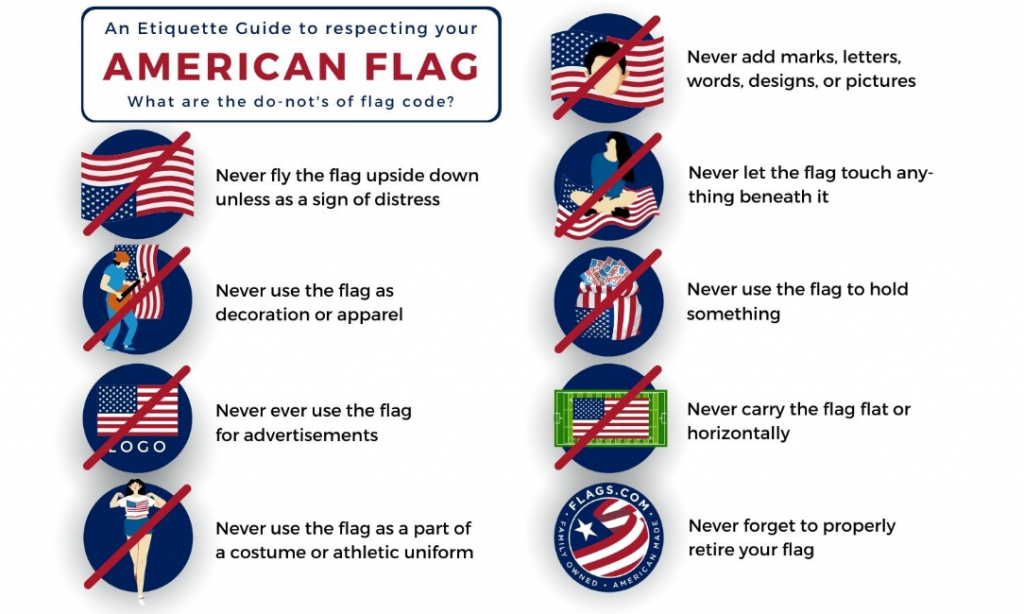
You’ve seen it online or maybe in a neighbor’s yard: an American flag hanging upside down. It stops you cold, right? That iconic red, white, and blue suddenly feels like a visual glitch in the Matrix.
Before you assume it’s a clumsy mistake or a sign of deep disrespect, take a breath. The answer is more nuanced than a simple “patriotic” or “traitor.” According to the U.S. Flag Code, flying the flag upside down is an official signal of dire distress and extreme danger to life or property. It’s the equivalent of an SOS, a visual flare shot into the sky.
From Shipwrecks to Supreme Court
Historically, this signal was born on the high seas. Sailors would flip their national ensign to scream for help when their vessel was sinking or under attack. It was a life-or-death message, clear and unambiguous. Today, that meaning has splintered into a powerful, controversial modern symbol.
Must Read
You’ll now see it at political protests, outside courthouses, and in front of homes. Many activists, from the far-left to the far-right, use the upside-down flag to claim that the nation itself is in distress. They argue that corrupt politicians, crumbling institutions, or lost freedoms justify the signal. It’s a loud, visual argument that “the ship is sinking.”
But here’s the twist: you can actually get in trouble for it on public land or in certain states. While the Supreme Court has generally protected flag desecration as free speech (due to the landmark Texas v. Johnson case in 1989), specific laws about flying it upside down vary wildly. In some places, it’s a petty offense; in others, it’s protected political expression.
Practical Tip: The ‘Distress’ Check
So, how do you know if someone is yelling for help or just making a point? Look at the context like a detective. Is the flag at a hurricane relief site? That’s likely a genuine distress signal. Is it at a political rally with angry signs? That’s activism, not a cry for emergency rescue. If you are ever tempted to do it yourself, ask: “Is my life or property literally in immediate danger?” If the answer is no, you might be sending a message you don’t fully control.
Fun fact: In the U.S. Flag Code (Title 4, Section 8a), the flag is only supposed to be flown upside down “as a signal of dire distress in instances of extreme danger to life or property.” That’s it. No exceptions for “political distress.” But, as with many things, the code is a guideline, not a law with teeth for private citizens.
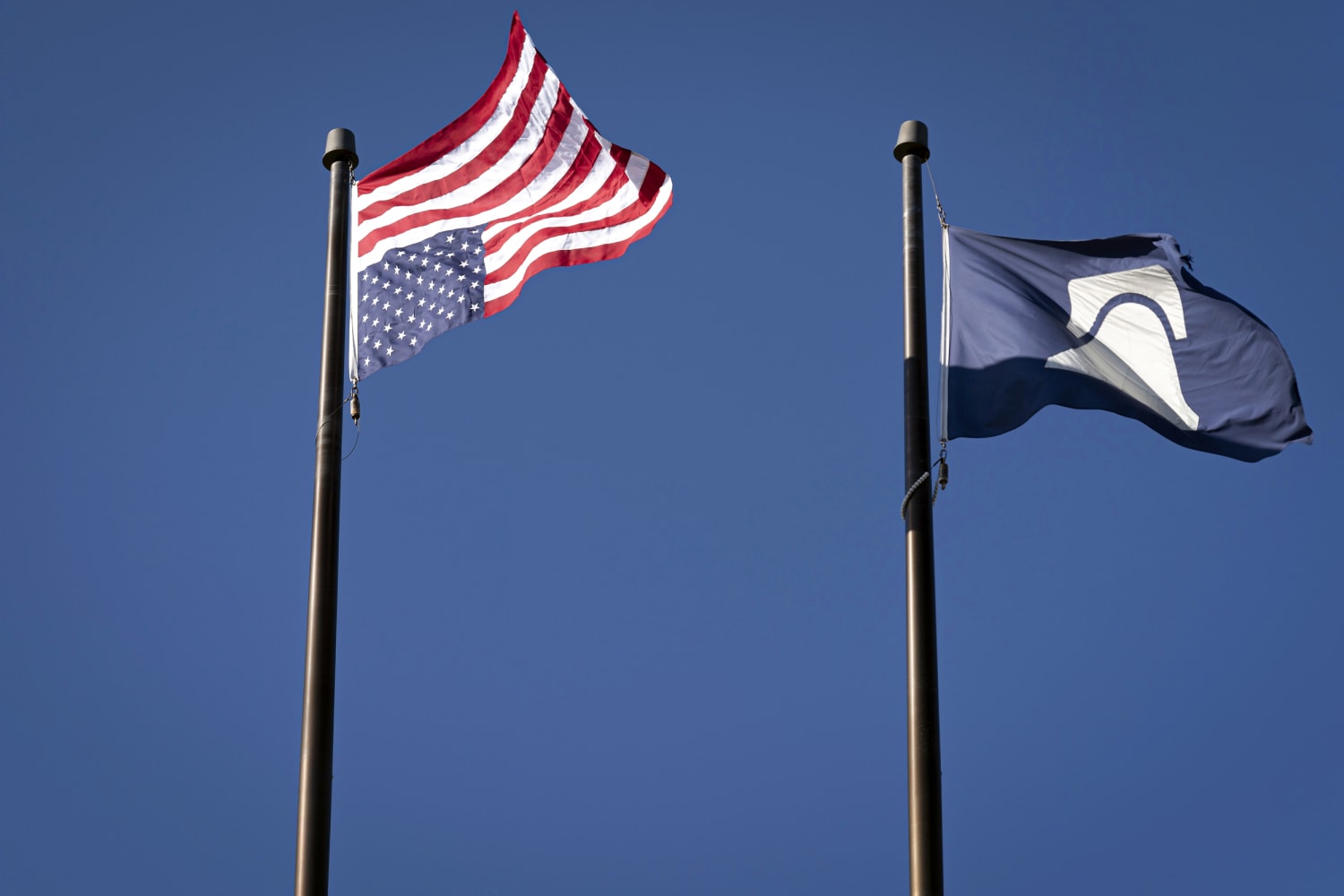 American Flag Flying Upside Down What Does It Mean When You Hang The
Pop Culture’s Take
You’ve probably seen it in your favorite shows. Think of House of Cards or The Walking Dead. The upside-down flag instantly screams “order has collapsed.” It’s shorthand for a world gone wrong. In real life, it feels equally dramatic—which is exactly why it’s so divisive.
Celebrities have also jumped on the bandwagon. Miley Cyrus and Cardi B have both posted images of the inverted flag to signal their dissatisfaction with political leadership. Love it or hate it, the image has become a cultural flashpoint. It’s no longer just about a sinking ship; it’s about whose ship you think is sinking.
One brand, Patagonia, famously uses a reverse American flag on its clothing tags. Their reason? It’s a nod to the original “distress” meaning—a call to protect the planet from environmental collapse. Smart marketing or genuine statement? Either way, it shows how flexible this symbol has become in the 21st century.
Your Takeaway: Read the Room
If you see an upside-down flag, don’t just react. First, ask yourself: “Is this a cry for help or a statement of protest?” The answer changes everything. Most people aren’t signaling a flood or a fire; they’re making a political argument about the state of the union. And that’s their right, even if you disagree.
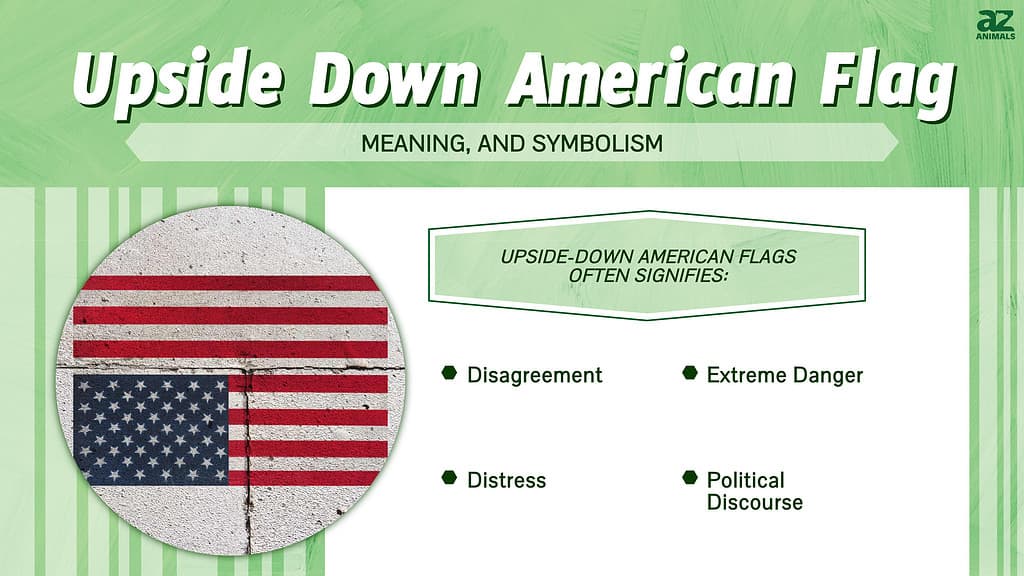 United Nations Flag Us Flag Upside Down
Practical tip: Never fly a damaged or dirty flag, even upside down. That’s just sloppy. The U.S. Flag Code mandates that the flag, even when inverted for distress, should be in good condition. A tattered upside-down flag looks less like an SOS and more like neglect.
One more fun fact: During the Vietnam War protests, the upside-down flag was used by anti-war activists as a symbol of national shame. Decades later, it’s still the go-to visual for “our country is broken.” It’s a testament to how a simple piece of cloth can carry so much weight.
A Final Reflection for Daily Life
Here’s the life lesson hidden in those stripes: Sometimes, turning things upside-down is the only way to get someone’s attention. Not just with flags, but with habits, relationships, or work. A signal of distress can feel dramatic, but it’s often a necessary reset. Think about those moments when you felt overwhelmed—did you ever wish you had a literal flag to flip?
In a world of constant noise, the upside-down flag forces a pause. It asks you to look, to question, to care. And maybe that’s the real point: to remind us that symbols aren’t static. They evolve, they argue, and they challenge us to decide what “in distress” actually means—for a nation, a community, or your own morning commute. So next time you see one, don’t scroll past. Take a breath, read the room, and decide what you believe.
After all, the most important flag you can set straight is the one in your own life.
