What Is An Automatic Stabilizer In Economics

Welcome to the world of economics, where understanding how the system works can be a game-changer for individuals and societies alike! One of the most fascinating concepts in...
Welcome to the world of economics, where understanding how the system works can be a game-changer for individuals and societies alike! One of the most fascinating concepts in economics is the automatic stabilizer, a mechanism that helps smooth out the ups and downs of the economy. In this article, we'll delve into what an automatic stabilizer is, its purpose, and the advantages it offers.
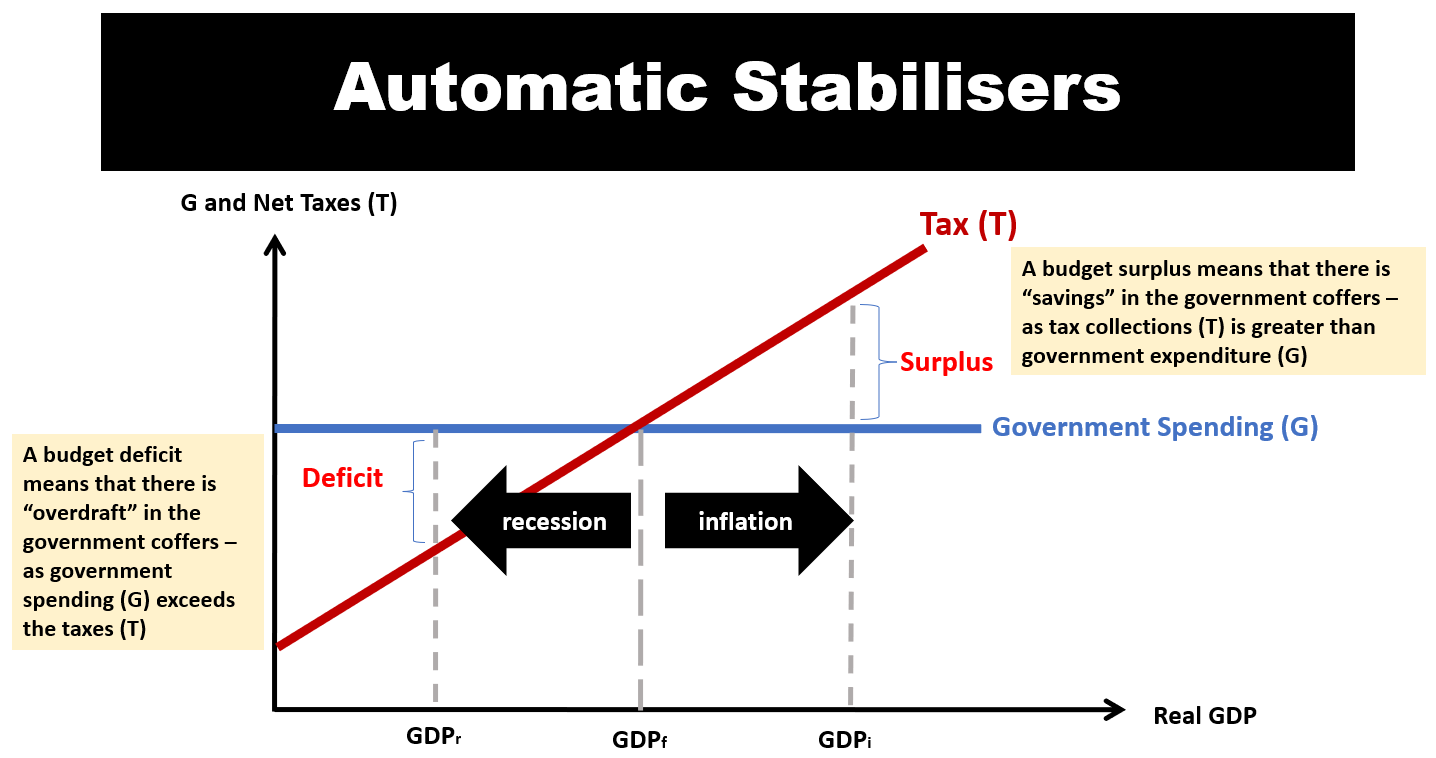
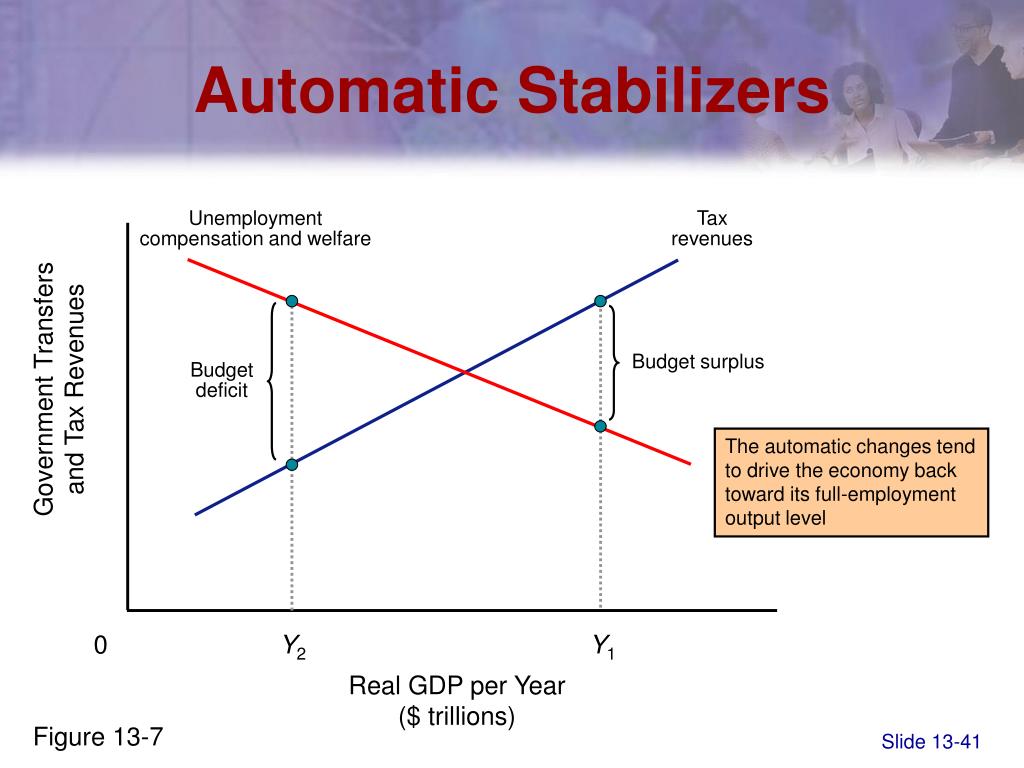
An automatic stabilizer is a built-in feature of the economy that helps reduce the impact of economic shocks, such as recessions or booms. Its purpose is to stabilize the economy by automatically adjusting to changes in economic activity, thereby reducing the need for discretionary government intervention. This means that automatic stabilizers can help mitigate the effects of economic downturns, making life easier for individuals and businesses.
So, how do automatic stabilizers work? Examples include unemployment benefits and progressive taxation. When the economy is struggling, unemployment benefits kick in, providing a safety net for those who have lost their jobs. Meanwhile, progressive taxation helps reduce the tax burden on low-income individuals, giving them more purchasing power to stimulate economic growth.
Another example of an automatic stabilizer is social security. During economic downturns, social security payments continue to flow, providing a steady stream of income to recipients and helping to stimulate economic activity. These examples illustrate the creative ways in which automatic stabilizers can help stabilize the economy.
For those interested in trying to understand how automatic stabilizers work in practice, here's a tip: follow economic news and analyze how different policies affect the economy. By doing so, you'll gain a deeper understanding of how automatic stabilizers can help mitigate economic shocks and promote economic stability.