What Is The Difference Between Bouillon And Broth

Okay, friend, let’s settle this once and for all. You’re standing in the soup aisle, scratching your head at a box of broth and a pile of bouillon cubes. They look like cousin...
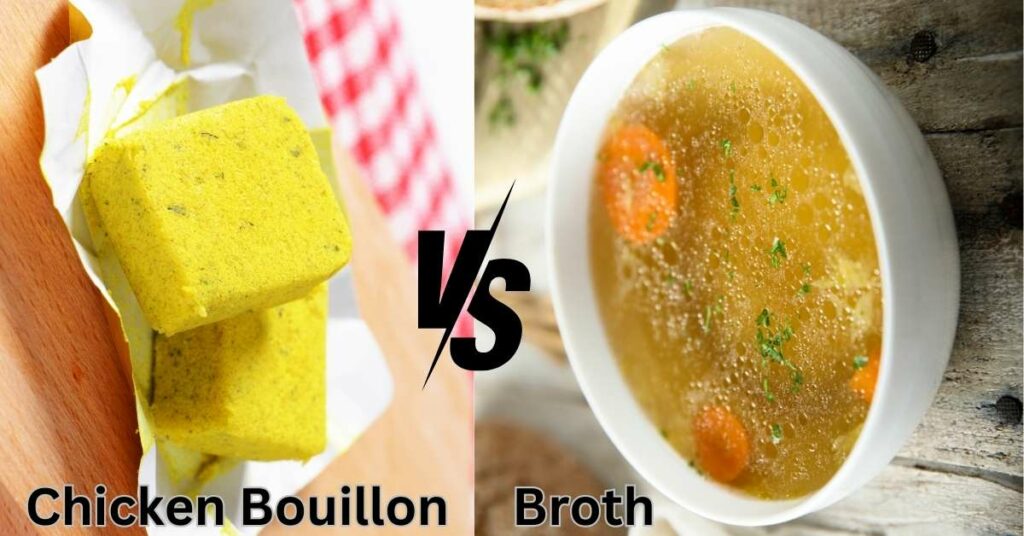
Okay, friend, let’s settle this once and for all. You’re standing in the soup aisle, scratching your head at a box of broth and a pile of bouillon cubes. They look like cousins, but are they actually twins? Let’s dive into the delicious, salty rabbit hole together.
The Big, Bold Difference: Form vs. Soul
Here’s the simplest way to put it: broth is the liquid gold you get after simmering meat, bones, and veggies. Bouillon, on the other hand, is the dehydrated, concentrated version of that liquid gold—usually a cube, powder, or paste.
Think of broth as the freshly brewed coffee of the soup world. Bouillon is the instant coffee. Both will wake you up, but one takes a bit more patience and smells like a hug from grandma.
Must Read
In fancy chef terms, bouillon literally means “broth” in French. But in your grocery store, it’s the little cube that’s been freeze-dried into submission.
Texture and Taste: A Side-by-Side Taste Test (In Your Head)
Broth is usually clear, light, and has a delicate flavor. It’s the kind of liquid you could sip straight from a mug while binge-watching your favorite show. No judgment here.
Bouillon is concentrated, often very salty, and packs a punch. You wouldn’t want to eat a bouillon cube raw—trust me, I’ve done it for science, and my tongue staged a protest.
Flavor-wise, broth is a gentle melody; bouillon is a heavy metal drum solo. Both rock, but for different moods.
The Ingredient Showdown: What’s Actually Inside?
Real, homemade broth starts with real ingredients: chicken carcasses, beef bones, carrots, onions, and celery. It simmers for hours, releasing collagen and flavor that makes your kitchen smell like a farm-to-table restaurant.
Bouillon, however, often starts with MSG, salt, and a lot of love (and preservatives). It’s engineered to taste like broth in seconds. That’s not a bad thing—it’s just a shortcut, like a microwave burrito vs. a handmade taco.
Check the label: if you see “hydrolyzed soy protein” or “yeast extract,” you’re holding bouillon. If you see “chicken stock” and a long list of vegetables, you’ve got broth.
The Sodium Trap: A Gentle Warning
Broth is usually lower in sodium because you control the salt. Bouillon cubes are salt bombs—they’re basically tiny ocean tablets waiting to happen.
If you’re watching your blood pressure, go easy on the cubes. Or, use half a cube and add herbs to fool your taste buds. Your heart will thank you, even if your tongue sighs a little.
Pro tip: buy low-sodium broth and use bouillon only when you need a flavor explosion in a hurry.
When to Use Broth vs. Bouillon (The Life Hacks)
Use broth when you want a star ingredient. Think: chicken noodle soup for a cold, risotto where the liquid is the soul, or a gravy that screams “fancy holiday meal.”
 Bouillon vs. Chicken Broth: How They're Different & Nutrition Comparison
Use bouillon when you’re in a hurry. Need to season rice? Drop in a cube. Making a quick pan sauce? Dissolve a cube in hot water. It’s the emergency escape hatch of cooking.
For the ultimate cheat code: use broth as a base, then add a pinch of bouillon powder for depth. You just created a flavor supernova. You’re welcome.
The Bone Broth Confusion (Yes, We Have to Talk About It)
Oh, here comes the trendy cousin: bone broth. People treat it like it’s a magical potion. Newsflash: bone broth is just broth that cooked longer to extract collagen from bones. It’s thicker and more gelatinous—like broth went to the gym.
Bouillon can be made from bone broth, too. So yes, you can have a bouillon cube of bone broth. The universe is a confusing but delicious place.
Bottom line: if it wiggles like Jell-O when cold, it’s bone broth. If it’s a powder, it’s bouillon. You’re now smarter than 90% of the internet.
The Verdict: Are They Swappable?
Yes, but with caution. You can dissolve a bouillon cube in water to make a mock broth. It won’t make grandma cry, but it’ll get the job done for a weeknight stew.
If a recipe calls for broth and you only have bouillon, dilute it. Use one cube for two cups of water instead of one. Otherwise, you’ll be sipping a salt-lick disaster.
And if a recipe calls for bouillon and you only have broth? Just use it as is, but add a pinch of extra salt. You’re basically a kitchen wizard now.
The Final, Uplifting Truth
Listen, whether you’re team Broth or team Bouillon, you’re still making food from love. The difference is just a matter of time, convenience, and a little sodium math.
So next time you’re staring at that little cube or that carton, smile. You now know the secret: broth is the poetry, bouillon is the haiku. Both bring warmth to your belly and a smile to your face.
Go forth and simmer, dissolve, and sip with confidence. And remember: even if you mess up, you’ll still have something tasty. That’s the beautiful, forgiving magic of cooking. You’ve got this!
