What Is The Meaning Of Halloween

So, you’re asking, “What is the meaning of Halloween?” Is it the one night a year when it’s socially acceptable to wear a polyester banana suit and beg for candy from stranger...
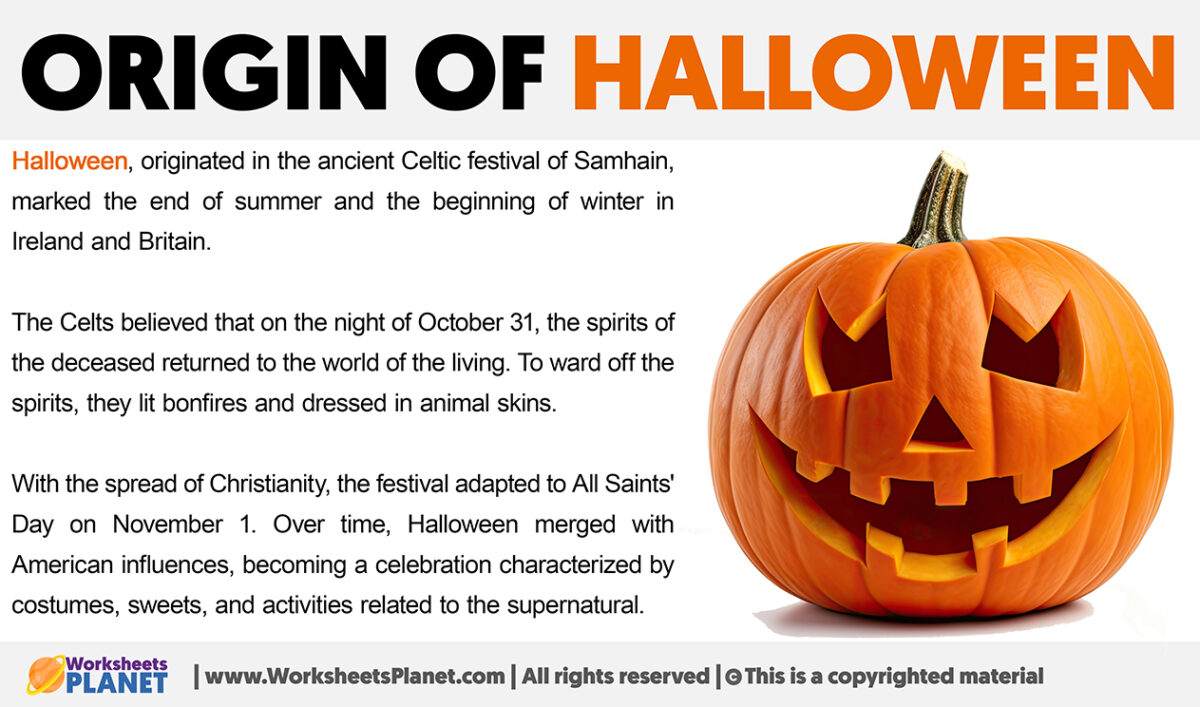
So, you’re asking, “What is the meaning of Halloween?” Is it the one night a year when it’s socially acceptable to wear a polyester banana suit and beg for candy from strangers? Yes. But it’s also way weirder than that. Grab a pumpkin spice latte and pull up a chair, because this holiday has a history so tangled it makes your last Ikea assembly look simple.
The Ancient Ghost Problem
Halloween’s real name is Samhain (pronounced “sow-in,” not “sam-hane,” unless you want ancient Celts to roll in their barrows). About 2,000 years ago, the Celts in Ireland decided that October 31st was the day the veil between the living and the dead turned into a sheer curtain. They believed spirits could pop over for a visit—like uninvited relatives, but with more moaning.
To survive this spectral open house, they’d light bonfires and wear costumes made of animal skins. If a ghost showed up, they wanted to look like a fellow ghoul, not a delicious snack. So yes, the first trick-or-treaters were basically hiding from death by dressing like cows. It worked about as well as you’d expect.
Must Read
Trick-or-Treat: A Very Slow Evolution
Fast forward to medieval Europe, and you get “souling.” Poor people would go door-to-door, promising to pray for your dead relatives in exchange for “soul cakes”—which are exactly as creepy as they sound. It was bribery for heaven, but with small pastries. By the 1920s, America had turned this into kids screaming “trick-or-treat.” Why the threat? Because if you didn’t give them candy, they’d pelt your house with eggs. And you brought these little monsters into the world.
Here’s a surprising fact: the phrase “trick or treat” wasn’t even popular until a 1951 Peanuts comic strip used it. Before that, it was mostly regional chaos. Imagine a world where kids just silently handed you an empty bag and stared. Halloween is, at its core, a holiday built on peer pressure and pastry.
The Pumpkin Prophecy
What about the jack-o’-lantern? That started with a guy named “Stingy Jack.” According to Irish folklore, Jack tricked the Devil into climbing a tree, then carved a cross on it, trapping Satan. When Jack died, neither heaven nor hell wanted him, so the Devil gave him a single ember. Jack shoved it inside a hollowed-out turnip to light his eternal walk.
 What Is The True Meaning Behind Halloween at Cody Peasley blog
Turnips. People in Ireland were carving turnips. That’s like celebrating Halloween with a broccoli. It wasn’t until Irish immigrants hit America that they discovered pumpkins were bigger, softer, and far easier to mutilate. So thank a pumpkin for not making you gag over a turnip lantern this year.
The Candy Industrial Complex
Halloween didn’t become the Sugar Apocalypse until the 1970s. Candy companies realized they could sell tiny, overpriced versions of normal candy bars and call it a holiday tradition. Today, Americans spend over $3 billion on candy for Halloween. That’s enough to buy every child on earth a pet llama, or at least a lifetime supply of candy corn—which, I should warn you, is not actually food but sweetened wax shaped like a triangle of regret.
And adults spend $500 million on costumes for their dogs. Yes, your neighbor’s pug dressed as a hot dog is a $5 billion industry. We have officially reached peak weird.
 What Is The Meaning Behind Halloween at Natasha Cain blog
So, What’s the Real Meaning?
Strip away the ghosts, the candy, and the questionable costumes, and Halloween is about facing fear with a laugh. It’s the one night we invite the spooky into our lives, mock it with a rubber mask, and then stuff our faces with sugar until we pass out. It’s a controlled panic—a safe way to scream about the inevitable (death) while clutching a mini Twix.
It’s also a celebration of community. You open your door to a screaming dinosaur, a tiny witch, and a teenager wearing a “memes” shirt. You give them candy. They leave. That is pure human connection, my friend.
So this October 31st, when you’re scraping fake blood off your chin and wondering why you bought a costume that makes you look like a melting unicorn, remember: you’re participating in a 2,000-year-old tradition of screaming into the void and getting candy back. And if that’s not the meaning of Halloween, I don’t know what is.
