What Occurred At The 1787 Constitutional Convention

Imagine you’re in a room with 55 people, all of whom have very strong opinions about how to throw a block party. Some want loud music and free soda; others want quiet games an...
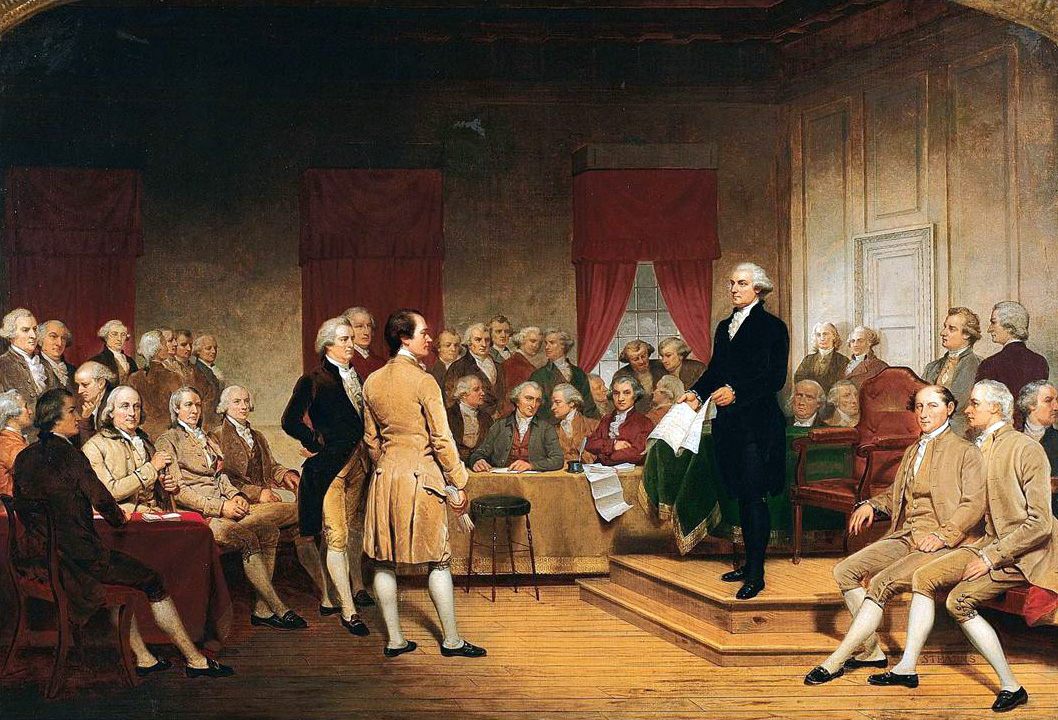
Imagine you’re in a room with 55 people, all of whom have very strong opinions about how to throw a block party. Some want loud music and free soda; others want quiet games and strict rules about who brings the chips. That is basically what happened in Philadelphia in 1787, during the sweltering summer of the Constitutional Convention. Only instead of a block party, they were trying to figure out how to run an entire country without it falling apart.
The Messy House of a New Nation
Before 1787, the United States was like a group of roommates who shared a fridge but had no agreement on who would buy the milk. The Articles of Confederation, the first government, were so weak that the country couldn't even pay its own war debts. States acted like petty teenagers, printing their own money and arguing over trade.
So, in May, a bunch of very sweaty, very serious men (that’s right, no women yet) gathered in Independence Hall. They shut the windows and curtains to keep out the flies—and the public. Inside, it was part drama festival, part high-stakes poker game.
Must Read
The Great Battle Over the Big Table
The biggest fight was about representation: who gets a bigger say at the decision-making table? Big states like Virginia said, “We have more people, so we should have more votes.” Small states like New Jersey cried, “That’s not fair! We’ll get ignored!” It was like arguing over who gets the last slice of pizza when you have a giant friend and a tiny friend.
Then a brilliant, nerdy suggestion came from Roger Sherman. He proposed the Great Compromise: two houses of Congress. One house (the House of Representatives) would be based on population—size matters. The other house (the Senate) would give every state two seats, no matter its size—a safe space for the small guys. It was the original “everyone wins” deal.
The Elephant in the Room: Slavery
This is the part where we have to be honest. The Convention also made some deeply uncomfortable deals. Slavery was the stinky, rotten apple nobody wanted to talk about, but everyone knew was there. Southern states refused to join unless their “property” (enslaved people) was counted for representation and protected.
So they cooked up the Three-Fifths Compromise: for counting purposes, an enslaved person would count as three-fifths of a free person. It was a terrible, dehumanizing math equation. It didn’t free a single soul, and it gave the South extra power for decades to come. We can’t pretend this was a happy story—but understanding that ugliness helps us see how fragile and flawed the whole experiment was.
The Other Genius Invention: Checks and Balances
You know how your boss checks your work, and then your boss’s boss checks theirs? That’s basically the separation of powers they created. They were terrified of one person or group getting too much power—like having a single friend in charge of the party playlist, the snacks, and the guest list. So they split power into three branches: Congress makes laws (legislative), the President enforces them (executive), and the courts interpret them (judicial).
 What Happened at the Constitutional Convention of 1787? | TheCollector
Each branch can check the others. For example, Congress can pass a law, but the President can veto it. And the Supreme Court can say, “Nope, that law is illegal.” It’s like a three-way tug-of-war, which sounds chaotic, but it’s actually the secret sauce that keeps the country from tipping over.
Why You Should Care (While Making Breakfast)
So why does this hot, smelly, argument-filled summer matter to you? Because every time you complain about a pothole, scroll through news about a Supreme Court ruling, or vote in a local election, you are touching that 1787 blueprint. The Constitution they wrote is the instruction manual for our daily lives. It decides who can tax your paycheck, how your local school gets funded, and whether you can post your opinion online without getting arrested.
Think about it: when you argue with your family about who does the dishes, you’re practicing a tiny version of the Great Compromise. When you pick a movie with a group, you’re negotiating power. The Constitution is that same messy, human process—written down so we don’t have to start from zero every generation.
The Unfinished Symphony
The best part? The founders knew they weren’t perfect. George Washington called the resulting document a “miracle,” but it was a miracle with flaws. They left the door open for change through amendments—that’s why we can add things later (like ending slavery or giving women the vote). The Constitution isn’t a finished painting; it’s a living recipe that we keep tweaking.
So next time you see a protest on TV, a President stumbling through a speech, or a Supreme Court gavel bang, remember: it all started in a stuffy room full of sweaty, arguing, brilliant people. They gave us the world’s longest-running argument about freedom. And you are a part of that conversation—whether you raise your hand to vote or just raise your voice at the dinner table. Pretty cool, right?
