What Part Of The Animal Does Corned Beef Come From

Okay, let’s settle this once and for all. You’ve seen it in the deli case, all pink and briny. You’ve piled it high on rye bread with Swiss and Russian dressing. But what part...

Okay, let’s settle this once and for all. You’ve seen it in the deli case, all pink and briny. You’ve piled it high on rye bread with Swiss and Russian dressing. But what part of the animal is corned beef, really? It’s not corn, obviously—no matter what your uncle jokes at Thanksgiving. And it doesn’t come from a mythical creature called a “corned cow.”
Here’s the truth: corned beef comes from a cow. Specifically, a beef cow. But we’re not talking about a fancy steak here, my friend. We’re talking about the tough, hardworking part of the animal—the part that does all the walking and lowing around the pasture.
We’re after the brisket, baby
The star of this briny show is the brisket. That’s a big, muscular cut from the chest of the cow. Right between the front legs, if you’re picturing it. And yeah, it’s a tough piece of meat because that chest muscle does a lot of heavy lifting—literally, supporting half the cow’s weight.
Must Read
But here’s the magic: you take that tough brisket, soak it in a salty brine with spices (those “corns” of salt, hence the name), and let time do its thing. The result? That tender, pink, sliceable miracle we call corned beef. It’s like a Cinderella story, but with more nitrates.
Wait, is it always brisket?
Usually, yes. In the United States, if you buy corned beef from a grocery store, it’s almost always beef brisket. But don’t get too comfy—there are exceptions. In some parts of the world, like the UK, “corned beef” can come from other cuts, like the round or silverside. It’s still beef, just a different muscle party.
And let’s not ignore the corned beef in a can—you know, that crumbly, weirdly wet stuff. That’s usually made from chuck or other cheaper cuts. It’s the fast-food version of corned beef. We’re not judging, but we’re also not inviting it to our St. Patrick’s Day party.
So what about that “corn” part?
Oh, you thought there was actual corn involved? Bless your heart. The “corn” in corned beef refers to large grains of salt, called “corns” in old-timey English. Back in the day, people preserved meat with these big salt crystals. It’s a salting process, not a vegetable garnish.
So when you’re eating corned beef, you’re eating a muscle that worked hard, got a long salt bath, and then took a slow simmer to tenderness. It’s the unsung hero of the cow—the part that would never win a beauty pageant but makes for a killer Reuben sandwich.
Why does it look so different from roast beef?
Great question, coffee buddy. Roast beef comes from the round (the back leg area) and is cooked dry. Corned beef is brined, which gives it that pink hue and unique tang. The color? That’s from sodium nitrite in the brine—a preservative that also keeps it looking like it just walked off the deli counter.
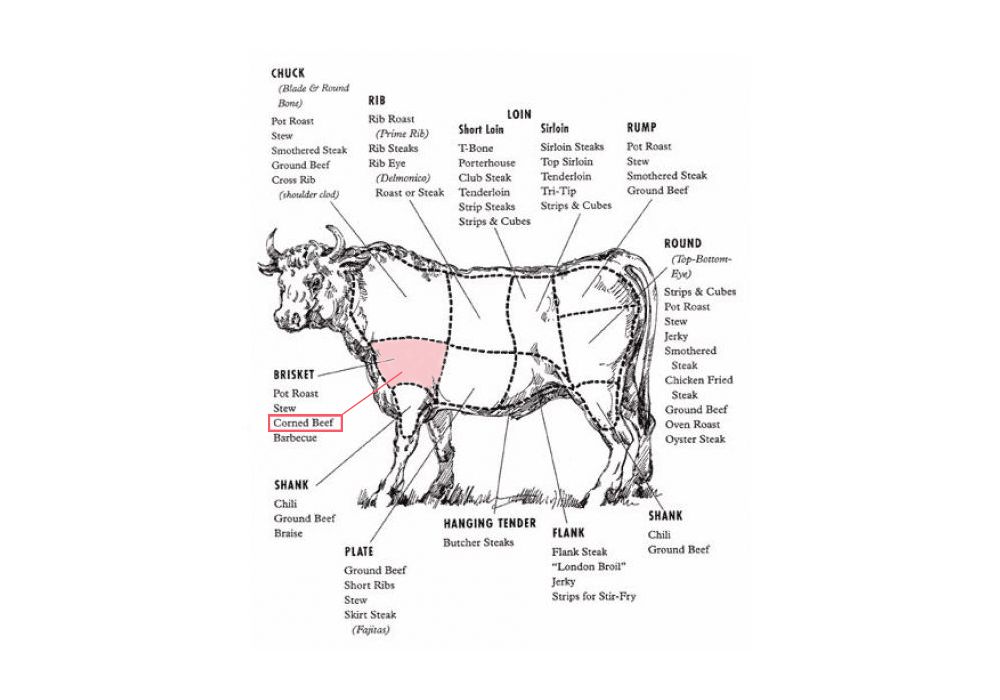 What part of the cow does corned beef come from - Out of Ambit
If you ever eat corned beef that’s gray, run. That means it wasn’t cured properly, and who knows what else is happening. Stick with the pink stuff, my friend.
Is there a right way to cook it?
Absolutely. Don’t you dare throw a corned beef brisket on the grill like it’s a steak. That beast needs low and slow cooking—usually simmering in water or a slow cooker for hours. The goal is to break down that tough connective tissue into gelatinous, sliceable heaven.
And the leftovers? Oh, the leftovers. Corned beef hash is basically a religious experience. You cube it, fry it with onions and potatoes, and slap a sunny-side egg on top. That’s the second act of the brisket—the part that makes you forget it was once a tired old chest muscle.
Let’s recap (because I’m chatty)
So, when someone asks, “What part of the animal does corned beef come from?” you can smile knowingly. It’s the brisket—the chest of the cow. It’s tough, it’s humble, and it transforms into something glorious through salt, time, and a little human ingenuity.
And if anyone tries to sell you a “corned beef” made from pork or turkey? Politely back away. That’s not corned beef; that’s a fashionable impostor. Stick with the brisket. It deserves your respect—and your rye bread.
Now, go make yourself a Reuben. You’ve earned it.
