What Temperature Should Chicken Be When It's Cooked

Let’s be honest: cooking chicken at home can feel like a high-stakes guessing game. You’re juggling timers, sniff-testing, and hoping you don’t serve something that looks susp...
Let’s be honest: cooking chicken at home can feel like a high-stakes guessing game. You’re juggling timers, sniff-testing, and hoping you don’t serve something that looks suspiciously pale inside. But here’s the secret that changes everything: temperature.
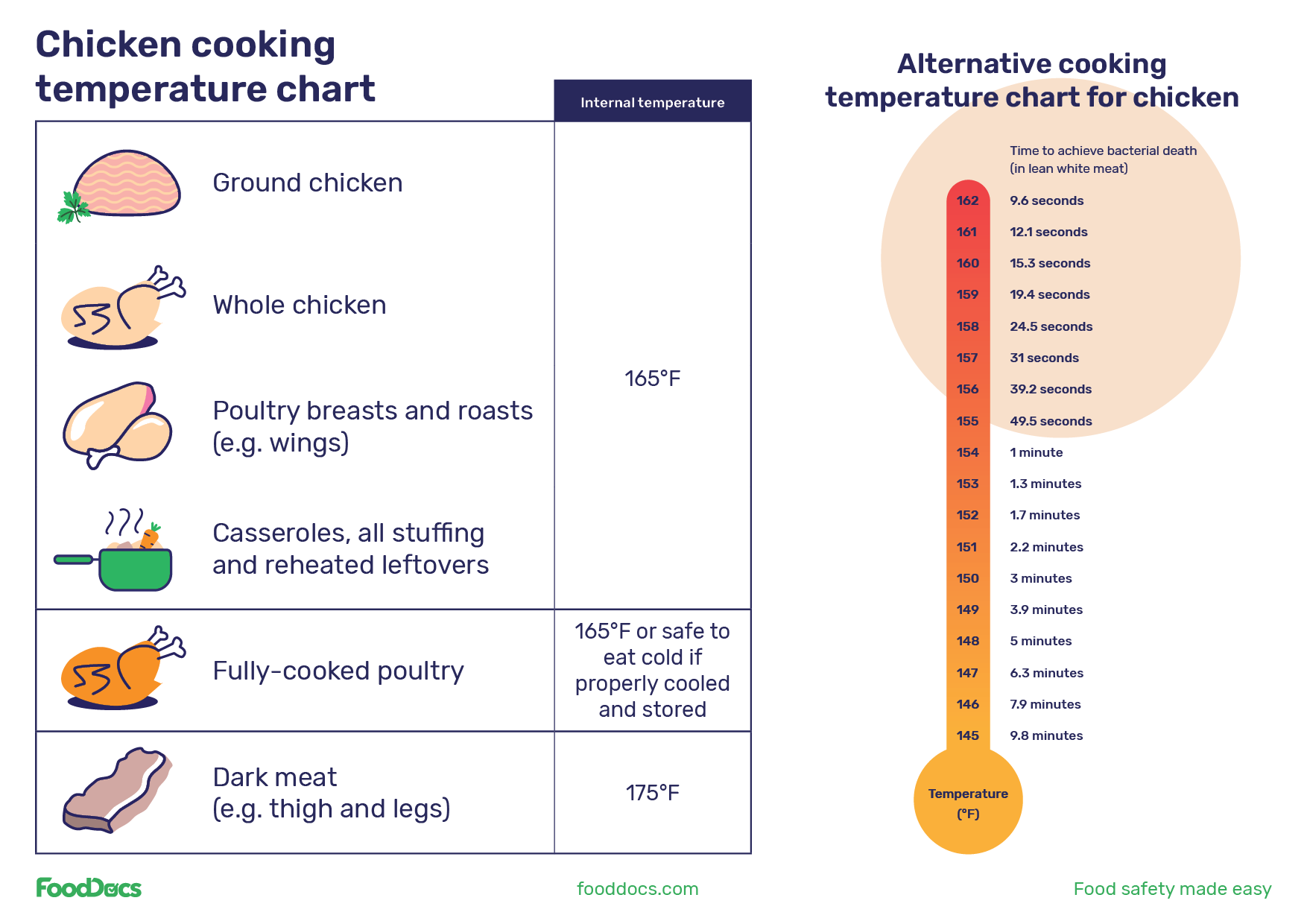
Forget the old wives’ tales about pink being bad. All you really need is a simple number: 165°F (74°C). That’s the magic temperature where the USDA says your chicken is safe to eat, every single time.
Why does this make life more fun? Because it takes the fear out of cooking. Instead of panicking over a dry, overcooked breast, you can actually enjoy juicy, flavorful chicken on purpose.
Must Read
The Game-Changing Tool: The Thermometer
You absolutely, positively, need an instant-read thermometer. It costs about the same as a fancy latte, and it will save you from a thousand ruined dinners.
Think of it as your chicken’s personal fitness tracker. No more cutting into the meat to “check if it’s done”—that just lets all the precious juices run away.
Just poke the thickest part of the meat (avoiding bone), and wait three seconds. 165°F? You’re golden. Anything less? Back in the pan for a minute.
What About White Meat vs. Dark Meat?
Here’s a little insider secret: dark meat (thighs, drumsticks) actually tastes better when cooked a bit higher, around 175°F to 185°F. That extra heat melts the connective tissue, making it impossibly tender.
White meat (breasts) is more delicate. If you hit exactly 165°F and pull it off the heat, you’ll get that perfect, moist bite that makes you feel like a pro chef.
So don’t be afraid to treat your chicken like a science experiment—a delicious one. The thermometer is your permission slip to stop worrying.
What If You’re Sous-Vide or Grilling?
Great question! If you’re using a sous-vide machine, you can actually hold chicken at 140°F to 150°F for an hour or more. That kills bacteria just as safely, but the meat stays unbelievably silky.
For grilling, aim for 165°F in the thickest spot. But remember: carryover cooking is real! The chicken will keep rising in temperature for about five minutes after you pull it off the heat.
So if your thermometer reads 160°F, take it off the grill and let it rest. By the time you serve it, it will climb right up to that golden 165°F without drying out.
The Golden Rule of Resting
This might be the most important tip of all: let it rest. After cooking, let your chicken sit for at least 5–10 minutes before slicing.
 Chicken Internal Temp Chart: Safe Cooking Temperatures Guide
Cutting too early is like squeezing a water balloon—all those juices you worked so hard to keep inside will end up on the cutting board. Resting redistributes the moisture, giving you a fork-tender experience every time.
Plus, it gives you a moment to take a breath, pour a glass of wine, and admire your handiwork. You earned it.
Fun Fact: Why 165°F Is the Magic Number
It’s not random! At 165°F, the heat kills Salmonella and Campylobacter almost instantly. The USDA picked this temperature because it’s a surefire kill step for the most common pathogens.
Think of it as the chicken’s exit point from the danger zone (40°F–140°F). Once you cross that line, your meal goes from “risky” to “reliable.” And reliable food is happy food.
So yes, you can absolutely cook chicken that’s both safe and succulent. The two are not enemies—they’re best friends when you use a thermometer.
What About Leftovers?
Leftover chicken should also be reheated to 165°F. That applies whether it’s in a soup, a casserole, or a sad little microwave burrito.
But here’s the fun part: reheating to 165°F doesn’t mean you have to dry it out. Add a splash of broth, cover it, and microwave in short bursts. Steam is your friend.
Your taste buds deserve better than rubbery leftovers. Give them the respect of a proper reheat.
The Inspiring Takeaway
Cooking perfect chicken isn’t about luck or inherited grandma skills—it’s about knowledge and a tiny, affordable tool. You have the power to stop guessing and start mastering.
Every time you nail that 165°F, you’re not just feeding yourself; you’re building confidence. And confidence in the kitchen spills over into every other part of life.
So grab a thermometer, set your probe, and trust the numbers. The next time someone asks, “What temperature should chicken be when it’s cooked?” you’ll smile, because you know. And that knowledge? It’s the secret ingredient that makes dinner—and everything else—feel a little more magical.
