What's The Difference Between Summer Squash And Zucchini

You’re at the farmer’s market, and you see a pile of green and yellow squashes. You grab a few, toss them in your bag, and get home only to realize… wait, which one is which?...
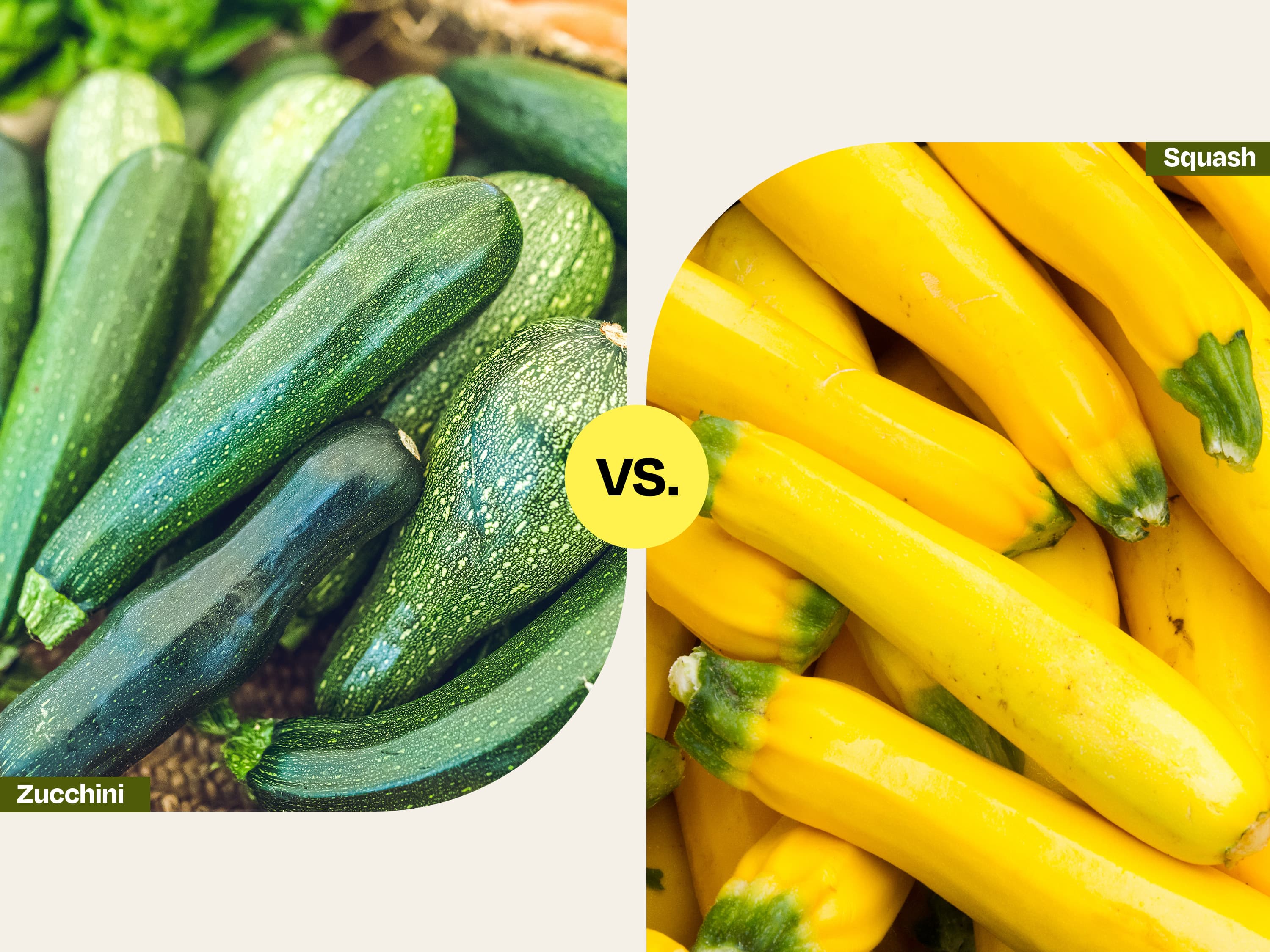
You’re at the farmer’s market, and you see a pile of green and yellow squashes. You grab a few, toss them in your bag, and get home only to realize… wait, which one is which? It’s a classic kitchen mystery, and honestly, it’s way more fun to solve than you’d think.
So, Are They the Same Thing?
Here’s the big reveal: all zucchini are summer squash, but not all summer squash are zucchini. It’s like how every golden retriever is a dog, but not every dog is a golden retriever. Zucchini is just one superstar member of the summer squash family.
Summer squash is the umbrella term for a bunch of tender-skinned squashes harvested in the warm months. Think of them as the cool cousins of winter squash—like butternut or acorn—which have hard shells and a long shelf life. Summer squash? They’re fragile, thin-skinned, and absolutely delicious when eaten fresh.
Must Read
Zucchini: The Green Chameleon
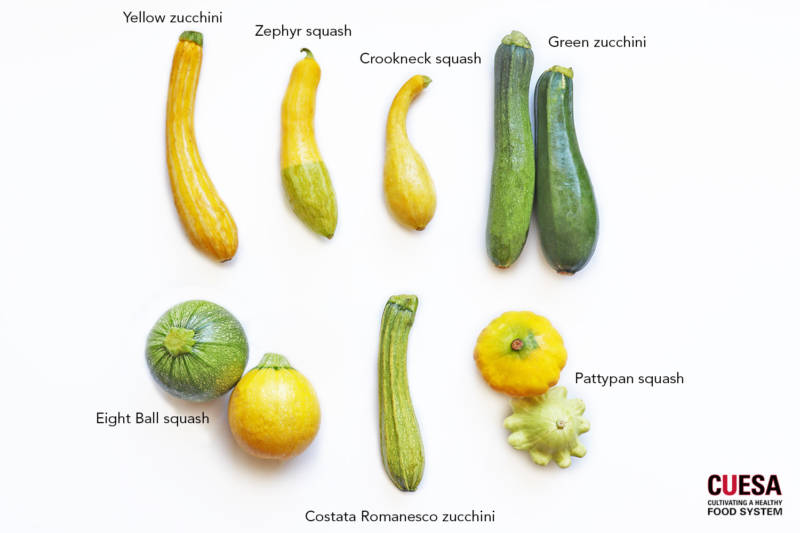
Zucchini is probably the most famous of the bunch—it’s that dark green, sometimes striped cylinder you see everywhere. But here’s the twist: it can also be golden yellow! And when it’s yellow, people often mistake it for its cousin, the yellow crookneck squash.
Zucchini tends to be firmer and a little denser than other summer squashes. That’s why it’s amazing grilled or spiralized into “zoodles.” Plus, it has a mild, almost sweet flavor that soaks up whatever sauce or seasoning you throw at it. Ever wonder why it works so well in chocolate bread? It's because it’s practically neutral—like a sponge for flavor.
Other Summer Squash: The Colorful Characters
Now, meet the other stars. There’s the yellow crookneck squash, which looks like a cartoonish blimp with a curved neck. Its skin is bumpier and a bit waxier than zucchini’s, and the flesh is slightly softer and more watery. Perfect for steaming or quick sautéing—it almost dissolves in your mouth.
Then there’s the pattypan squash, which looks like a tiny spaceship with scalloped edges. It’s pale green, white, or yellow, and it’s cute as a button. Pattypan is super mild and holds its shape well when roasted—kind of like a squash that decided to be a little fancy plate all on its own.
What’s the Real Difference in the Kitchen?
If you swap a zucchini for a yellow crookneck in a recipe, will your world collapse? Nope. In fact, you can pretty much use any summer squash interchangeably in most dishes—but there are small quirks. Zucchini stays firmer when cooked, so it’s better for grilling or stir-fries where you want some bite.
 Difference Between Squash And Zucchini
Yellow crookneck, being softer, gets mushy faster—great for soups or compotes. Pattypan, with its dense, buttery texture, is a star when roasted or stuffed. But honestly? You could toss them all into the same pan with garlic and olive oil, and you’d get a delicious party of subtle differences. Who wouldn’t love that?
Why Does This Even Matter?
Because knowing this stuff makes you feel like a produce whisperer. The next time someone hands you a weird squash, you’ll say, “Ah, a pattypan—nice.” And isn’t that just a little bit cool? Plus, understanding the nuances helps you choose the right one for your mood: firm and zesty for a salad, or soft and sweet for a stew.
Here’s a fun comparison: think of summer squash like a group of friends at a party. Zucchini is the reliable, go-to buddy who gets along with everyone. The yellow crookneck is the quirky one who’s a bit softer and more emotional. And pattypan? That’s the artsy friend with a unique shape that steals the show on the appetizer platter. They’re all great—just different vibes.
The Bottom Line (For Real)
So, next time you’re at the market, don’t stress. Grab a zucchini, a crookneck, or a pattypan—they’re all summer squash and all delicious. The differences are tiny but fun, like knowing the secret language of vegetables. And hey, if you mix them up in a recipe, you’re still getting that same glorious, garden-fresh awesomeness.
Isn’t it wild how such a simple question—“What’s the difference?”—can open a whole world of texture, taste, and creativity? So go on, buy the weird one. Your taste buds might just thank you.
