Where Do Ginger People Come From

Let’s be honest—ginger people are a bit of a genetic mystery wrapped in a fiery-red package. You’ve probably wondered, where do they actually come from? Is it a secret island?...
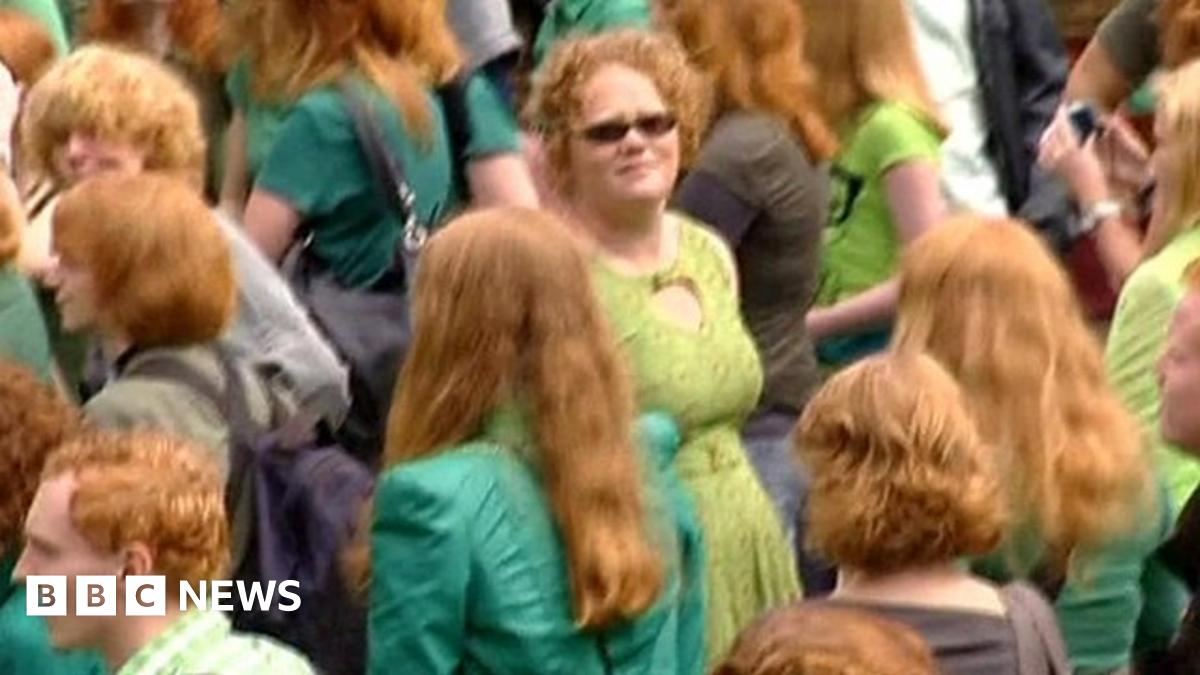
Let’s be honest—ginger people are a bit of a genetic mystery wrapped in a fiery-red package. You’ve probably wondered, where do they actually come from? Is it a secret island? A cosmic accident? Or just a really stubborn gene that refused to fade away? Spoiler: it’s science, but way more fun than your high school biology class.
The Secret Sauce: A Gene Called MC1R
It all starts with a tiny protein gene on chromosome 16—the MC1R gene. Think of it as the ginger switch: when it’s “on” in a certain way, your body makes less dark pigment (eumelanin) and more red pigment (pheomelanin). The result? Freckles, pale skin, and a head of hair that looks like it caught fire—in the best way possible.
Here’s the kicker: this is a recessive trait. That means both parents need to carry the special redhead version of the gene, even if they don’t have red hair themselves. It’s like a secret family handshake that only pops up when the stars (and chromosomes) align.
Must Read
Where in the World Do They Actually Live?
The highest concentration of natural redheads is in Northern and Western Europe—specifically, Scotland (around 13% of the population), followed by Ireland (about 10%). But don’t let geography fool you—ginger genes have traveled the globe like cheerful little hitchhikers.
You’ll find redheads in unexpected places: Morocco, in certain Jewish communities, even among the indigenous peoples of Papua New Guinea. Yes, really. Red hair is not just a Celtic thing—it’s a global phenomenon with a wild backstory.
The Weird, Wonderful Superpowers of Ginger Genes
Redheads have a rumor mill that could rival Hollywood. For starters, they’re often said to have a higher pain tolerance—but also need more anesthesia at the dentist. (Pro tip: if you’re a redhead, tell your surgeon. Seriously.) They also produce their own vitamin D more efficiently in low sunlight, which is why the trait stuck around in cloudy, northern climates.
 The secret behind ginger hair colour unlocked by Scottish scientists
And here’s a fun one: redhead hair is more resistant to turning gray. Instead of silver, it tends to fade into a soft blonde or white. Aging gracefully? Ginger people invented it.
Why the World Loves (and Teases) Them
Let’s be real—redheads have been put through the wringer historically, from being called witches to being the butt of “no soul” jokes. But today, they’re celebrated as rare, striking, and utterly iconic. From Queen Elizabeth I to Prince Harry, from Anne of Green Gables to Jessica Chastain—gingers have charisma that can’t be ignored.
And have you noticed? Red hair is having a moment in pop culture. Actresses, models, and even animated characters (looking at you, Merida) are rocking the natural flame. It’s like the universe finally decided, “Hey, these people are awesome—let’s make them trend.”
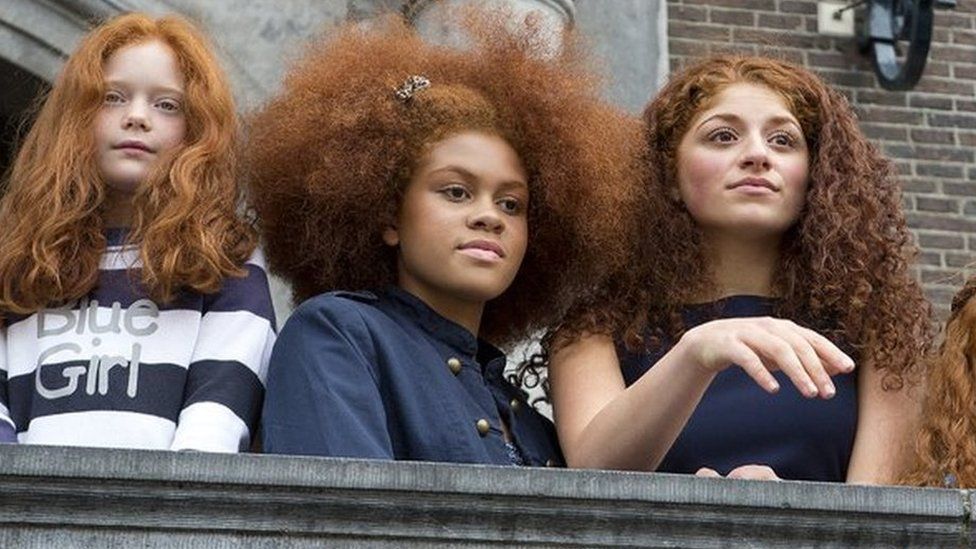 Gene study unravels redheads mystery - BBC News
How This Makes Life More Fun
Think about it: if you’re a redhead, you’re part of a tiny, special club. Only about 1-2% of the world’s population has natural red hair. That means you’re rarer than a four-leaf clover, a double rainbow, or a quiet toddler. You’re a conversation starter, a walking piece of trivia, and a living reminder that genetics can be playful.
For everyone else: knowing the story behind red hair makes meeting a ginger person a little more magical. You can say, “Hey, you’ve got that MC1R thing—awesome.” And they’ll know you’re in on the secret.
An Uplifting Final Note (Go Learn More!)
So, where do ginger people come from? They come from everywhere—but mostly from a quirky little gene that decided to make the world more colorful. They’re proof that evolution isn’t just about survival; it’s about surprise, beauty, and a dash of mischief.
Feeling inspired? Go find out if you carry the redhead gene yourself. (Spoiler: you might be a hidden carrier—and your future kids could be ginger!) Or just wave to the next redhead you see. You’re looking at a living, breathing, sun-kissed miracle of human diversity. And honestly? That’s nothing short of brilliant.
