Where Does Toilet Waste Go On Airplane

Have you ever sat in an airplane bathroom, flushed, and then wondered, “Where… did that just go?” You’re not alone. It’s one of those questions that pops up mid-flight, usuall...
Have you ever sat in an airplane bathroom, flushed, and then wondered, “Where… did that just go?” You’re not alone. It’s one of those questions that pops up mid-flight, usually followed by a nervous glance at the tiny toilet. Let’s flush out the mystery once and for all.
Spoiler alert: It does not get dumped out of the plane mid-air. That’s a myth as old as in-flight peanuts. If it were true, we’d have a very messy, very icy problem up there.
The Secret Toilet Tank (Yes, There's a Tank)
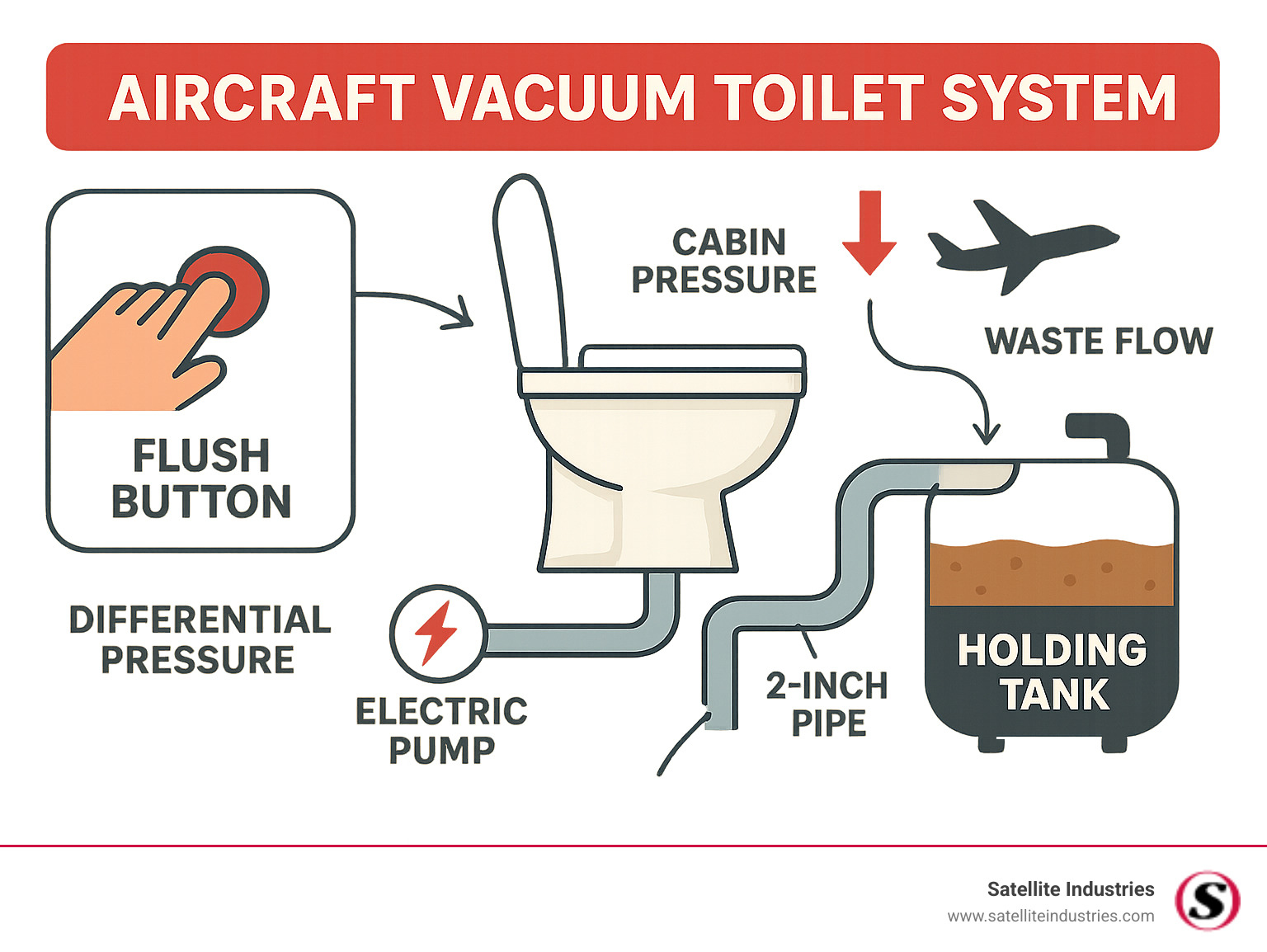
Every commercial airplane has a special waste tank tucked away in the rear of the plane. It’s basically a giant, sealed metal container. Think of it like a flying porta-potty, but much more high-tech and less stinky.
Must Read
When you flush, a powerful vacuum suction system kicks in. It uses air pressure, not gallons of water, to whoosh everything away. It’s so strong that it sounds like a small jet engine—and it saves the plane from carrying tons of extra water weight.
This vacuum pulls your waste into that big tank. There, it sits with a special blue chemical that kills germs and masks odors. It’s like a science project in a very small room, 35,000 feet up.
So, What Happens After Landing?
This is where things get cool (and honestly, a little gross but fascinating). When the plane lands, a special truck drives up to it. This isn’t your regular garbage truck—it’s a honey wagon or a lavatory service vehicle.
A worker, who is a true unsung hero, connects a giant hose to a panel on the plane’s belly. One big valve opens, and the entire tank’s contents get sucked out with a swoosh. It’s like a giant, messy milkshake being transferred to the truck.
Then, that truck takes everything to a waste treatment facility on the ground. There, it joins the wastewater from your home, your office, and your neighbor’s dog park. It gets cleaned, treated, and eventually released back into the environment as safe water. Full circle, right?
 Where do airplane toilets flush to?
But Wait—What About The Blue "Ice" Rumors?
You might have heard stories about blue ice falling from planes. That’s a real thing, but it’s extremely rare and usually a sign of a leak. It happens when a tiny amount of waste fluid leaks from the tank, freezes instantly at high altitude, and then falls off.
Technically, it’s not “waste” in the solid sense—it’s mostly the blue disinfectant liquid mixed with a bit of water. And yes, it has landed on people’s yards, cars, and even roofs. The airlines hate it because it means their system is broken.
But in normal, non-leaky flights? You’re safe. The tank is sealed tight. No blue ice, no rain of anything weird. Just a scientific marvel holding your business for a few hours.
Is It Any Different From A Train Or A Boat?
Not really. Trains use similar vacuum toilets, just on a slower schedule. Boats, especially cruise ships, are actually worse—they often dump treated waste directly into the ocean (within legal limits). Planes, however, have to hold everything.
Why? Because you can’t exactly park a plane over a treatment plant. So the plane carries its own little waste library until it lands. It’s pretty efficient when you think about it: your business stays with you, not on the landscape below.
 Do airplanes dump human waste in flight 60 photos - Morilly.com
Think of it this way: the airplane toilet is like a time capsule for your trash. It sits there, silently, until a professional with a hose frees it at the airport. Kind of poetic, if you ignore the smell.
Is It Gross? Or Is It Genius?
Honestly, it’s both. The process is a masterpiece of engineering. It uses physics (vacuum pressure), chemistry (blue disinfectant), and logistics (honey wagons) to solve a very human problem. How many other inventions can say they safely handle your personal emissions at 600 miles per hour?
Next time you flush on a flight, give a little nod to the tank. It’s a silent, smelly hero. And when you land, remember the ground crew. They’re the ones making sure your flight’s dumpster doesn’t become a biohazard. Cheers to the hose crew!
In The End, It’s All Just… Normal
So, your airplane toilet waste goes into a tank, gets vacuumed, and then waits for a truck on the ground. It sounds like a sci-fi movie, but it’s just clever plumbing. You’ve been sitting a few feet above a flying waste tank, and you didn’t even know it.
Next time someone asks you this question, you can confidently say: “It goes to a tank, then to a truck, then to a treatment plant.” And then, maybe, change the subject to how tiny the airplane peanuts are. That’s a mystery we’ll never solve.
