Where Is Language Processed In The Brain

So, have you ever wondered what's going on in that amazing brain of yours when you're chatting with friends, reading a book, or even just thinking about what to eat for lunch?...
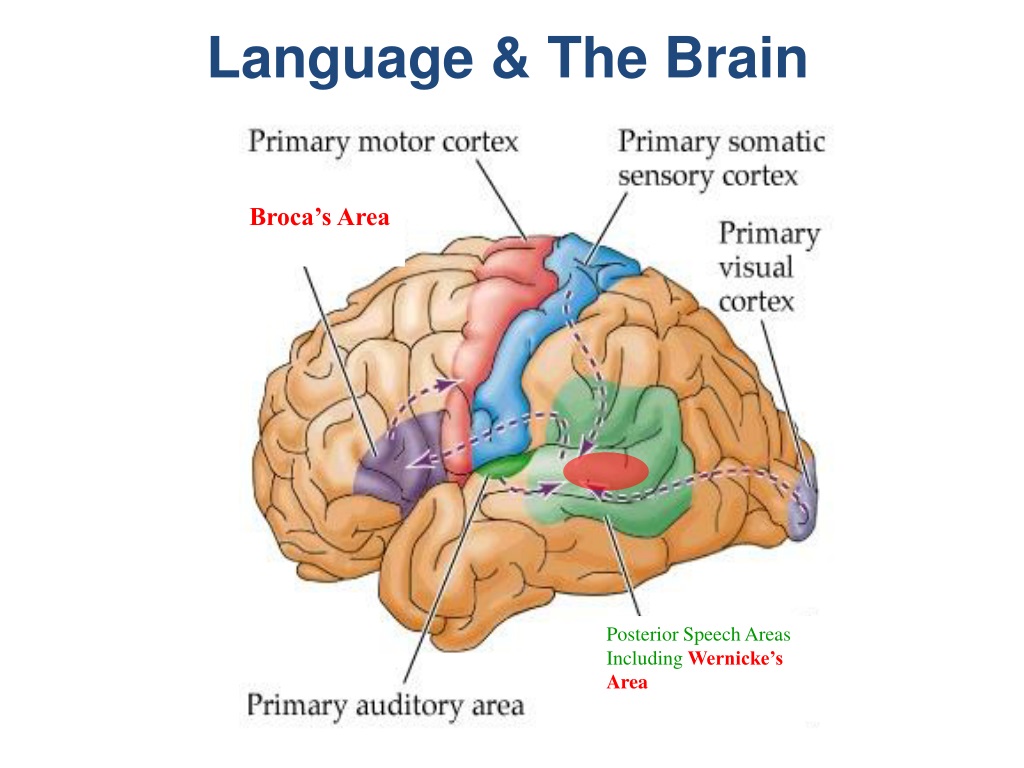
So, have you ever wondered what's going on in that amazing brain of yours when you're chatting with friends, reading a book, or even just thinking about what to eat for lunch? It's pretty cool to think about, right? Language processing is a key part of all these activities, and it's happening in some pretty specific areas of your brain.
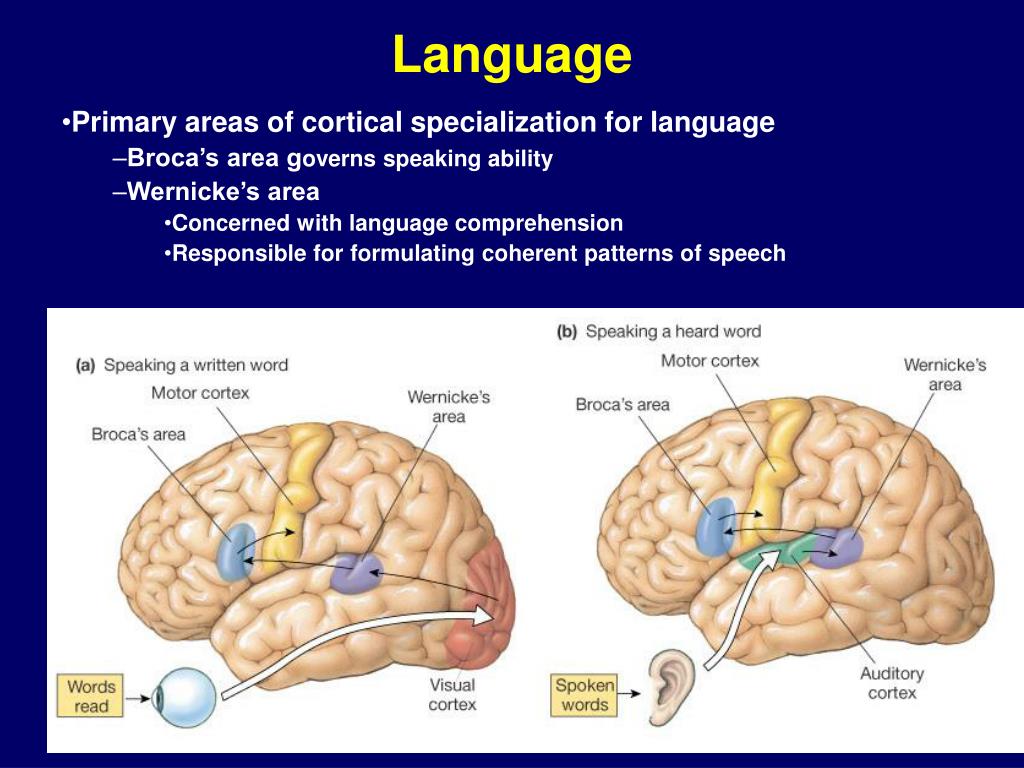
When it comes to language, your brain is like a super-efficient language factory, with different areas working together to help you understand and produce words, sentences, and all sorts of other linguistic magic. The left hemisphere of your brain is usually the star of the show, with areas like Broca's area and Wernicke's area playing crucial roles in language production and comprehension. It's like a tiny, brain-sized language lab in there!
Let's Talk About Broca's Area
So, Broca's area is like the language boss, helping you articulate words, form sentences, and generally communicate like a pro. It's located in the frontal lobe of your brain, and damage to this area can lead to some pretty interesting language difficulties. For example, people with Broca's aphasia might struggle to speak in grammatically correct sentences, or find it hard to come up with the right words.
But Broca's area isn't the only language hotspot in your brain - Wernicke's area is another key player, helping you understand the meaning of words and follow conversations. It's like the language translator of your brain, and it's located in the temporal lobe. Together, these areas work together in a beautiful language dance, helping you navigate the complex world of human communication.
Other Brain Areas Get In On The Action
Of course, language processing isn't just limited to Broca's area and Wernicke's area - other brain regions like the basal ganglia and cerebellum also play important roles. The basal ganglia help with language learning and memory, while the cerebellum is involved in language coordination and planning. It's a pretty complex language network, but somehow it all works together seamlessly!
And the really cool thing about language processing is that it's incredibly flexible - your brain can reorganize and adapt throughout your life, even if you suffer from language-related injuries or disorders. It's like your brain has a language backup plan, just in case! So next time you're chatting with friends or reading a book, take a moment to appreciate the amazing language machinery that's hard at work in your brain.
 The Brain Basis Of Language Processing: From Structure To Function – BXEQRA
Language is such a fundamental part of being human, and it's pretty mind-blowing to think about all the complex processes that go into making it happen. Whether you're a language learner, a bookworm, or just someone who loves to chat with friends, the science of language processing is definitely worth exploring. So go ahead, get curious, and start geeking out about language - your brain will thank you!
In fact, the study of language processing has led to some pretty groundbreaking discoveries in recent years, from the neural basis of language to the role of language in shaping our thoughts and perceptions. It's an exciting time for language research, and there's still so much to learn about the amazing language abilities of the human brain. So stay tuned, and get ready to have your mind blown by the awesome world of language processing!
And finally, it's worth noting that language processing isn't just about individual brain areas - it's also about how those areas communicate with each other. It's like a complex language network in there, with different regions working together to help you understand and produce language. So next time you're speaking, reading, or just thinking about language, remember the amazing brain machinery that's making it all happen!
