Who Is Entitled To A Mobility Car

You know that moment when you’re wrestling with a shopping trolley that has a mind of its own, and your back gives a little twinge of protest? Or when you’re walking up a gent...
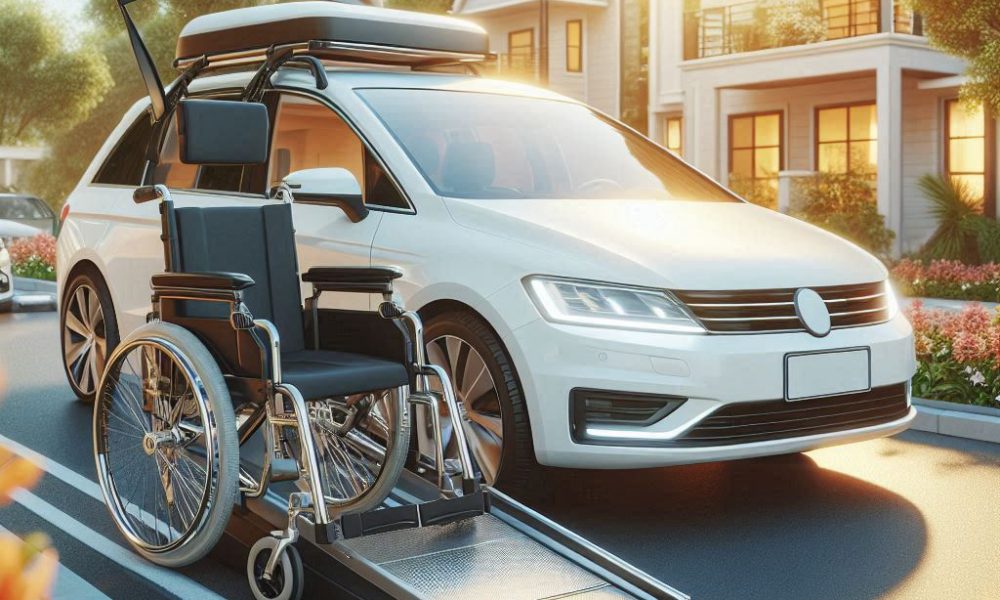
You know that moment when you’re wrestling with a shopping trolley that has a mind of its own, and your back gives a little twinge of protest? Or when you’re walking up a gentle hill, and your knees start negotiating for a pay rise? That’s the exact point where the idea of a mobility car starts whispering sweet nothings into your ear. But who actually gets to drive off into the sunset with one? Let’s cut through the jargon and talk about it like normal humans.
The Magic Word: “Substantial”
The government doesn’t just hand these cars out like party favours. You need to prove that your disability substantially affects your ability to walk. Think of it like this: if walking a few metres feels like you’ve just run a marathon in concrete boots, you’re probably in the right ballpark.
It’s not about being a little out of puff. It’s about the kind of difficulty that makes you plan your entire day around avoiding that one long corridor at the supermarket. The key benefit is the Mobility Component of Personal Independence Payment (PIP) or the higher rate of the Mobility Component of Disability Living Allowance (DLA).
Must Read
If you get that, you’re holding the golden ticket to the Motability Scheme. That’s the official name for the programme that lets you swap your mobility allowance for a snazzy set of wheels.
The Great PIP vs. DLA Divide
If you’re under state pension age, you’re looking at PIP. For this, you need to score at least 8 points in the “moving around” part of your assessment. That’s the bit where they ask if you can walk, how far, and if you look like you’re about to fall over at any second.
For kids and folks who claimed before PIP existed, it’s DLA. You need the highest rate of the mobility component. It’s a bit like having a classic phone plan while everyone else is on a new contract – it still works, but the rules are slightly different.
And if you’re a war hero? There’s the Armed Forces Independence Payment (AFIP) or a War Pensioners’ Mobility Supplement. Those are the VIP passes to the same party.
What About My Grandad? (AARP Generation, We See You)
Here’s the kicker for the silver foxes: if you’re over state pension age, you generally cannot get PIP. You might get Attendance Allowance instead, which is brilliant for care needs but utterly useless for getting a car.
 Wheelchair Accessible Vehicles and Car Adaptations with Sirus Mobility
It’s a bit of a plot twist. You could be 72, still driving your old banger, but your knees have turned into rusty gate hinges. Unless you got PIP before you turned pension age, the Motability Scheme door is firmly shut. No car for you, even if you need one more than a fish needs a bicycle.
However, there is a silver lining: the Blue Badge. That’s your permit to park like a king in disabled bays. It’s easier to get as you get older, and it doesn’t need a mobility allowance. It’s not a car, but it’s a really good parking space.
The “But My Doctor Said…” Myth
You might have a doctor who writes you a lovely note saying you need a car. That’s sweet. The Department for Work and Pensions (DWP) will probably stick that note in a folder and ignore it. The assessment is king, not the doctor’s handwriting.
It’s a weird system. Your GP knows you’ve hobbled into their surgery for ten years, but the DWP wants a form filled out by a random nurse or a video call where you describe your pain. It’s like asking a stranger to guess your favourite flavour of ice cream based on your shoe size.
Appeals are normal. More than half of all PIP decisions are overturned at tribunal. So if you get a “no”, don’t cry into your tea. Just appeal like a champ and bring your evidence.
 Motability Operations unveils a passenger wheelchair accessible
How Do I Actually Get The Car?
First, you get the benefit. Then, you find a Motability-approved dealer. It’s like a normal car showroom, but everyone understands why you need the hand controls or the extra-wide doors.
You choose your car, and your weekly benefit payment goes straight to Motability. You don’t pay for insurance, servicing, or breakdown cover. It’s all included. It’s like a Netflix subscription for your wheels, except you can’t binge-watch from the back seat.
You can even get a little black thingy called a “wav” (wheelchair-accessible vehicle) if you need it. Or an adaptation like a swivel seat, which sounds fancy until you realise it’s just a chair that spins you out of the car like a baked potato in a microwave.
The Bottom Line (And A Belly Laugh)
So, who is entitled? You are entitled if you get the right benefit and can prove walking is a genuine nightmare. It’s not for people who are just tired after a long day of shopping. It’s for people whose legs have declared a permanent strike.
Think of it as the government’s way of saying, “Okay, we know moving is hard, so here’s a shiny metal friend to help you out.” It’s not a luxury; it’s a lifeline disguised as a Renault Clio.
And if you don’t qualify? Don’t worry. You can still borrow your neighbour’s car and complain about the parking. It’s not a mobility car, but it comes with the same amount of drama. And that, my friends, is the real journey.
