Who Wrote The Book Of Ecclesiastes

Have you ever had one of those days where you just feel like everything is pointless? You know the kind. You spend an hour folding laundry, only for your kid to dump the baske...
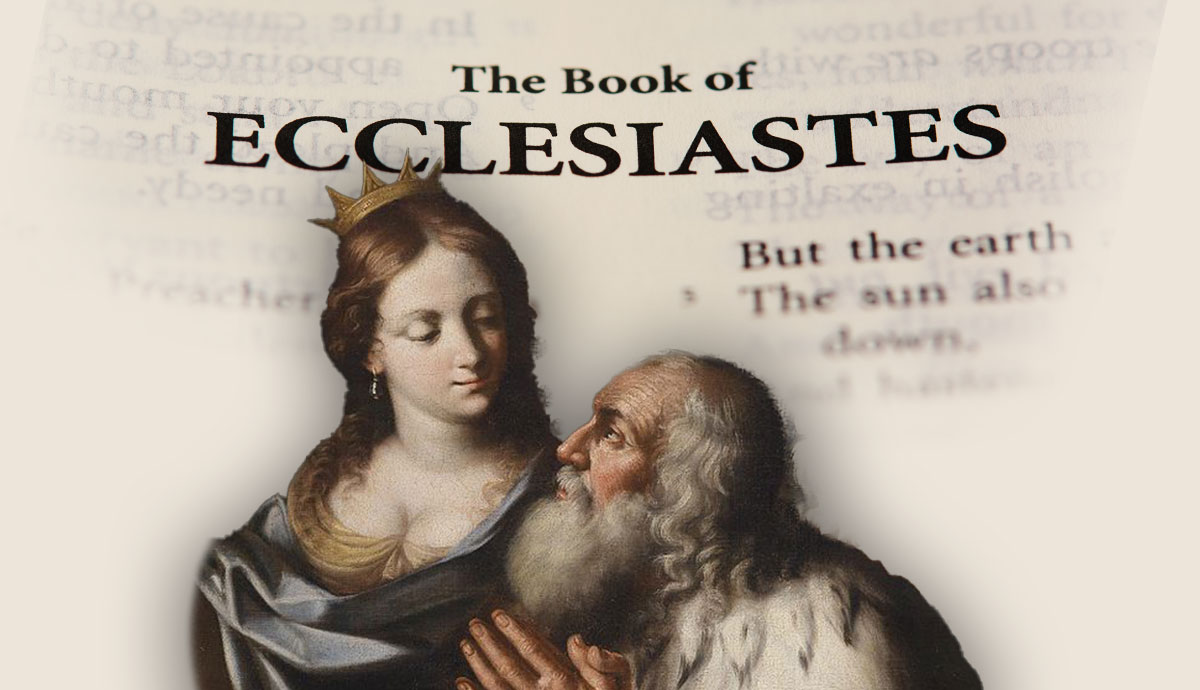
Have you ever had one of those days where you just feel like everything is pointless? You know the kind. You spend an hour folding laundry, only for your kid to dump the basket out again. You work hard on a project, and your boss barely glances at it. That feeling of “What’s the point?” is the exact vibe of the ancient book of Ecclesiastes. And the big question is: who wrote this surprisingly cynical little masterpiece?
The book itself says it was written by “the Teacher,” the son of David and king in Jerusalem. That’s a classic clue pointing straight to King Solomon. You know him—the guy with the legendary wisdom, the massive temple, and more wives than a Netflix reality show. It makes sense that he’d be the one to write a book about the meaning of life.
But here’s where it gets a little fuzzy. Language experts say the Hebrew in Ecclesiastes is weird. It doesn’t sound like the Hebrew Solomon would have used 3,000 years ago. It sounds much later, like something from a few centuries after his time. So, some smart folks think it was written by a different wise man, pretending to be Solomon to give the book more street cred.
Must Read
Why Should We Care About This Old Mystery?
Honestly, you should care because this book gets you. Have you ever bought a new phone, only to feel bored with it a week later? That’s the “vanity, vanity, all is vanity” part. Ecclesiastes is the first book to admit that our shiny new things and big accomplishments can feel like catching the wind. It’s like your grumpy uncle who finally says what everyone else was thinking at the family dinner.
Think about your last vacation. You planned it for months, built it up in your head, and then… it ended. You came home, unpacked, and the magic was gone. That’s the Teacher’s point. He says, “I denied myself nothing my eyes desired.” He had it all—wine, gardens, slaves, singing girls. And his conclusion? “Everything was meaningless, a chasing after the wind.” It’s both a downer and a massive relief.
A Bad Day, A Good Book
Imagine you’re stuck in traffic for an hour. Your coffee is cold. You’re late for a dentist appointment. You want to scream. In that moment, Ecclesiastes is your best friend. It doesn’t say “cheer up!” It says, “Yeah, this is tough. Life is unfair. The race doesn’t always go to the swift.” The author gets that life has a frustrating, random quality. He practically invented the shrug emoji.
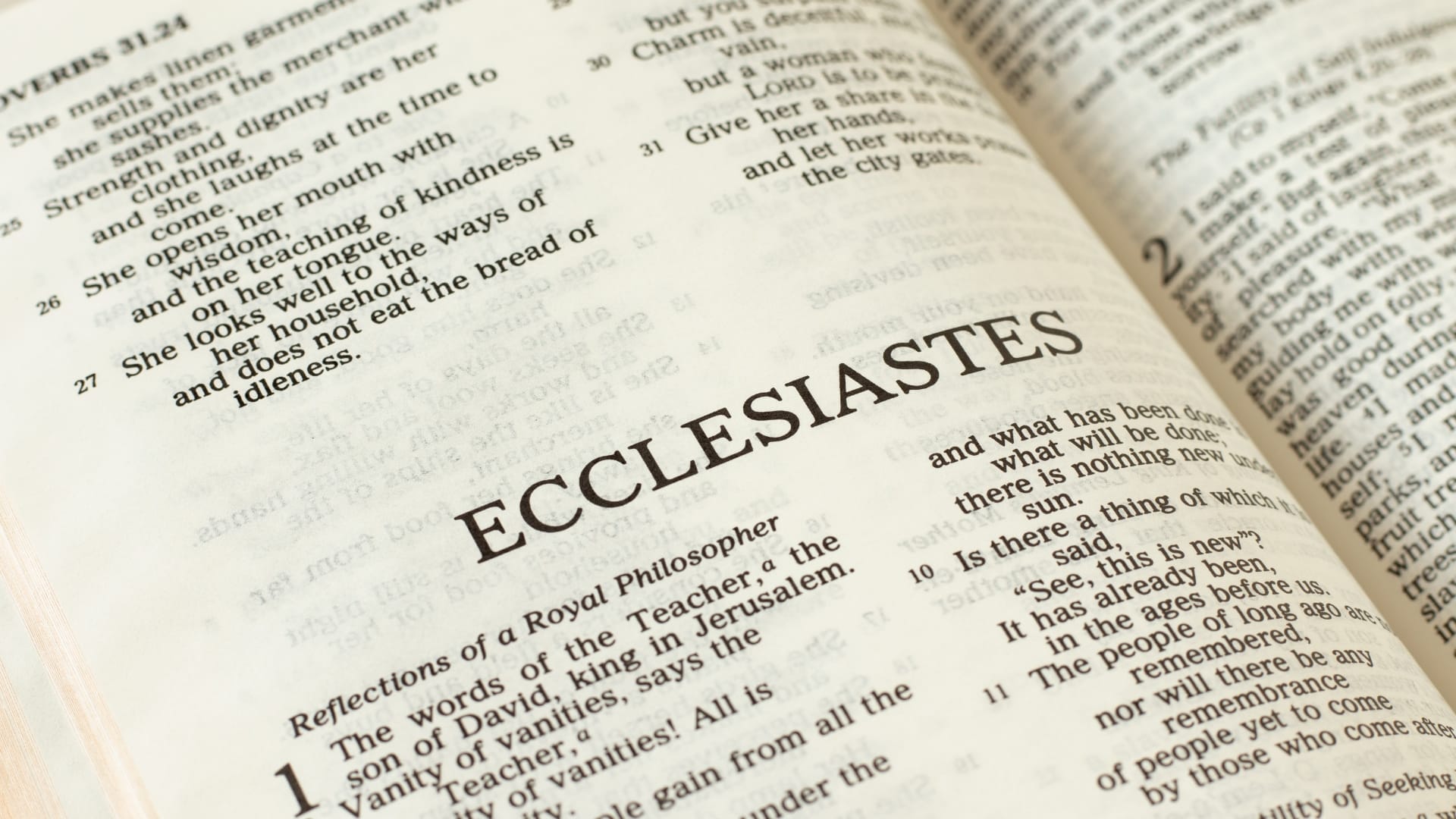 The End of the Matter (Ecclesiastes 12:9-14)
This is why scholars call him the “melancholy philosopher.” But don’t let that word scare you. He wasn’t just sad; he was honest. He looked at the world and said, “Good people suffer. Bad people thrive. It makes no sense.” How often do you feel that way? Every time you hear about a nice person getting fired while a cheater gets promoted, you’re living in the book of Ecclesiastes.
The Real Answer (Sort Of)
So, who wrote it? Most scholars today agree on a simple answer: “Anonymous.” They think an unknown, brilliant poet sat down around 300 to 200 B.C. and put these words to paper. They used Solomon’s name as a pen name, which was a common trick back then. It’s like writing a modern novel under the name “Anonymous CEO”—it gives the words power.
Still, many traditional readers stick with Solomon. They say the book captures his older, wiser, and wearier voice. Imagine an old king, looking back at a life of parties and power, and realizing that the simple things—a good meal, a friend, a glass of wine—are the only things that really matter. That image is hard to beat.
 PPT - OT Wisdom Literature (OT6) PowerPoint Presentation, free download
The truth is, we’ll probably never know for sure. And that’s kind of the point of the book itself. Some mysteries don’t have neat answers. The author calls himself a “Teacher,” and the name behind the pen is less important than the lesson he’s teaching.
What The Author Wants You To Remember
The final message of the book is surprisingly warm. After all the “life is breath” stuff, the Teacher drops the mic with this: “Fear God and keep His commandments.” He says to enjoy your work, eat your bread with joy, and love your spouse. It’s not a grand, complicated philosophy. It’s a permission slip to be happy in the small moments.
Think of it like this. You and a friend spend hours arguing over who directed your favorite movie. In the end, does it change the experience of watching it? No. The book of Ecclesiastes is like that. Whether Solomon wrote it or a mysterious “Teacher” did, the wisdom remains the same. Life is short, confusing, and often unfair. So go eat some good bread.
So who wrote it? A wise soul who had seen too much. A person who knew that after the big house and the fancy car and the perfect Instagram feed, you still wake up needing a hug. That person could be your grandpa, your quirky neighbor, or a king from a thousand years ago. And that’s why we still read it. It’s not about the author. It’s about looking in the mirror and realizing we all feel the same way.
