Why Do Dogs Put Their Ears Back

You’re cuddling with your dog, scratching behind their ears, when suddenly—whoosh—those floppy or perky triangles snap flat against their head. It’s a move so swift it could w...
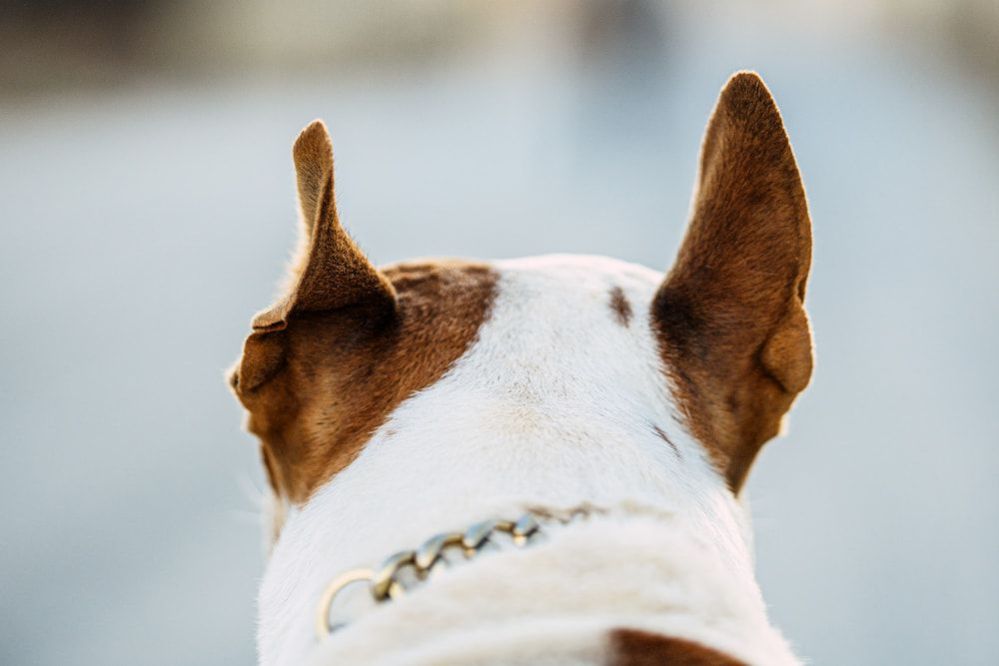
You’re cuddling with your dog, scratching behind their ears, when suddenly—whoosh—those floppy or perky triangles snap flat against their head. It’s a move so swift it could win an Olympic medal. But what does it really mean?
Before you panic, take a breath. Dogs put their ears back for a whole range of reasons, from pure bliss to full-blown anxiety. The key is reading the whole picture—tail, eyes, and body tension included.
The Happy Recliner: Ears Back in Relaxation
Picture this: your pup is sprawled on the couch, eyes half-closed, ears relaxed and slightly back. That’s the canine equivalent of a sigh. When ears are soft and back, it often signals contentment—think of it as your dog’s version of slipping into sweatpants after a long day.
Must Read
This is especially common during gentle petting or after a good belly rub. One 2020 study in Animal Cognition even found that dogs show more relaxed ear positions when interacting with familiar, trusted people. So if the rest of their body is loose and wiggly, you’re likely looking at a happy, chill pooch.
Fun Fact: The “Play Bow” Connection
Ever seen a dog drop into a play bow—front legs down, rear up—with ears pinned back? That’s an invitation to party. It’s a universal dog signal for “I’m just playing, not a threat.” If the ears are back but the tail is wagging in big, wide arcs, grab a toy—game on!
Just note: a stiff, slow wag paired with pinned ears is a different story. That’s more like a polite “back off” than a “toss the ball.”
The Anxious Tuck: Fear, Submission, and Uncertainty
Now flip the script. Your dog hears a loud thunderclap, and suddenly their ears are glued flat to their skull. That’s a sign of stress. When ears are pressed tightly back, it often means your dog is trying to make themselves smaller—like a scared kid hiding under a blanket.
This posture is common in submissive dogs, too. If your dog approaches another dog with ears back, head low, and averted gaze, they’re saying, “You’re the boss.” It’s a respectful gesture in doggy diplomacy. But chronic ear-pinning—like during every trip to the vet—can indicate ongoing anxiety.
Look for other clues: tucked tail, panting without exertion, or avoiding eye contact. Together, they spell out “I’m not okay.” A 2018 study from the University of Helsinki even linked back ears to higher cortisol levels in dogs, so it’s worth taking seriously.
Practical Tip: How to Help a Stressed Dog
If your dog’s ears are back and you sense fear, don’t force them into the scary situation. Instead, use a calm voice, offer a high-value treat, and create distance from the trigger. Never punish the ear-pinning—it’s their way of saying “help, not hurt.”
 Why Dogs Put Their Ears Back? 6 Fascinating Reasons - DogVills
Consider a calming wrap or a white noise machine for thunder-sensitive pups. And always check with your vet if anxiety seems severe or sudden.
The Alert Listener: Ears Back But Tuned In
Wait—there’s another twist. Some dogs put their ears back while listening intently. You might see this when you whisper “treat” or crinkle a bag of jerky. It’s not fear—it’s focus. The ears angle back to catch every tiny sound behind them.
Think of it like cupping your hand around your ear. Dogs with floppy ears often do this to compensate—it pushes their ear canal forward to hear more clearly. If your dog’s ears are back but their eyes are bright and alert, they’re just on duty.
Pop Culture Nod: Lassie’s Ear Language
Remember the classic Lassie shows? When the collie’s ears were pinned back as she barked to alert the family, it wasn’t fear—it was urgency. Lassie was essentially saying, “Pay attention—I’m communicating!” Many herding breeds use back ears to focus on their human’s commands.
So next time your dog gives you that “ears-back stare” while you’re training, know they’re locked in. Reward that focus with a happy “good dog!”
The Medical Check: When Ears Back Signals Pain
One often-overlooked reason: physical discomfort. Dogs with ear infections, dental pain, or even arthritis may hold their ears back as a protective reflex. If the posture is persistent, paired with whining, head shaking, or lethargy, see a vet.
Ear infections are especially sneaky—they can make even the floppiest ears feel tender. A quick check for redness, odor, or discharge can save your pup a lot of misery. Better safe than sorry, right?
Quick Tip: The “Ear-Touch Test”
Gently touch your dog’s ears when they’re relaxed. If they flinch or pull away, don’t assume it’s moodiness—it could be a ouch moment. A calm, slow approach to ear exams builds trust over time.
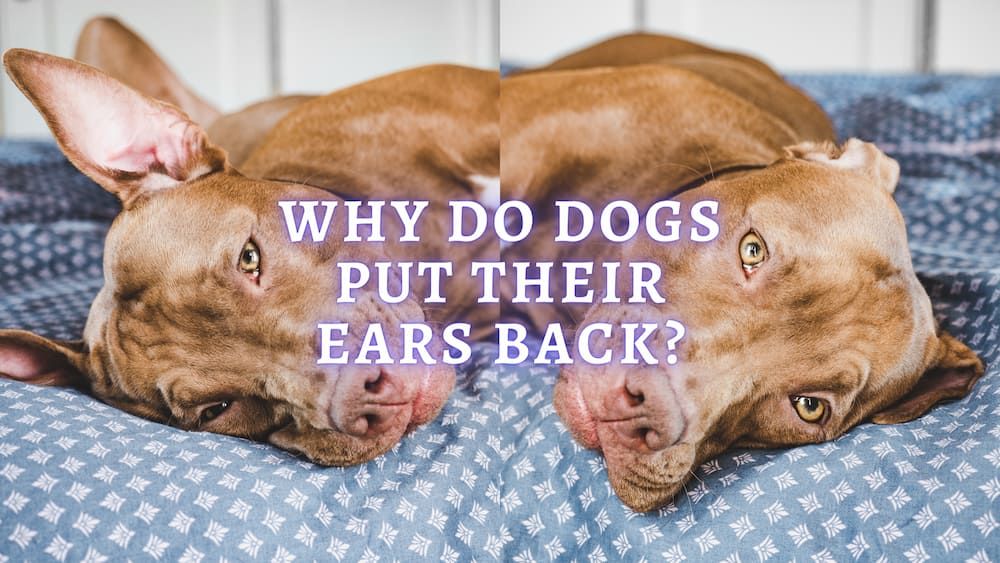 9 Reasons Why Do Dogs Put Their Ears Back?
And remember: always reward your dog for tolerating ear checks with a tiny treat or a chin scratch. Positive reinforcement turns a stressful check into a bonding game.
Putting It All Together: What’s My Dog Actually Saying?
The truth is, dog ears are like a live Twitter feed—packed with context. You can’t read just one tweet and know the full story. Blend the ear position with the tail, the mouth, and the environment.
Is your dog greeting you at the door, tail wagging in a full-body wiggle, ears back? That’s pure joy. Are they pinned, tense, and backing away from a stranger? That’s a red flag. Trust your gut—you know your dog better than any article.
A Cultural Nod to the “Guilty Look”
You’ve seen the meme: dog “caught” eating a shoe, ears back, eyes wide. That’s not guilt—it’s fear of your reaction. Dogs don’t feel guilt like humans; they read your angry energy and respond with appeasement. So when those ears go back, it’s not a confession—it’s a surrender.
Next time, try a calm “oops!” and redirect them to a toy. You’ll both feel better.
A Final Reflection: Listening Without Words
At the end of the day, those shifting ears are a reminder of a beautiful truth: your dog is always talking to you, even in silence. They don’t need a language—they have posture, expression, and something ancient and instinctive.
So the next time you glance over and see those ears back, pause. Ask yourself: is this a happy retreat, a worried tuck, or a curious listen? In that moment of attention, you’re not just a pet owner—you’re a translator of the heart. And really, isn’t that the best kind of connection we can have in a noisy, rushing world?
Now go scratch those ears—whichever position they’re in.
