Why Does Music Make Me Cry

You’re driving home, the windows are down, and then it hits you. A specific chord progression, a certain vocal crack, and suddenly your eyes are stinging. Don’t worry, you’re...

You’re driving home, the windows are down, and then it hits you. A specific chord progression, a certain vocal crack, and suddenly your eyes are stinging. Don’t worry, you’re not broken. You’re actually experiencing a complex and beautiful neurological event.
Turns out, your brain is a master of emotional storytelling. When music moves you, your brain releases dopamine, the same pleasure chemical linked to food and love. But when that song is particularly poignant, your brain also ramps up prolactin, a hormone that creates a feeling of comfort during sadness. It’s a safe, chemical way to process grief without the real-life stakes.
The Science of the Goosebumps
That shiver down your spine has a fancy name: frisson. It’s a sudden rush of pleasure that causes your skin to pucker. Research shows that people who experience frisson are often more open to new experiences and show higher levels of cognitive absorption.
Must Read
Think of it as your nervous system saying, “Wow, that was significant.” It’s the same reaction you’d have witnessing a breathtaking sunset or a perfect sports play. Your brain is tagging the moment as meaningfully beautiful.
A fun fact: dogs can experience a similar emotional reaction to music. Studies show that classical music often calms anxious pups, while heavy metal tends to agitate them. So your golden retriever might be just as moved by Beethoven as you are.
Why Your Playlist is a Time Machine
The most common reason music makes us cry is nostalgia. Your brain has a direct superhighway between auditory cortex and the hippocampus—your memory center. That song from 2009 isn’t just a song; it’s a sensory snapshot of who you were.
Dr. Daniel Levitin, a neuroscientist and author, calls this the “reminiscence bump.” We often form our strongest musical attachments between ages 15 and 25. Those years of first loves, breakups, and identity crises are scored by music that becomes emotionally radioactive for life.
So when you hear that old Radiohead track, you aren’t crying over the notes. You’re crying over the moment you last heard it. The music is just the key that unlocks the door.
The Cultural Soundtrack of Pain
Different cultures experience musical tears in different ways. In Japan, there is a specific concept called mono no aware—the bittersweet awareness of impermanence. Songs in minor keys often evoke this, celebrating the beauty of things that fade.
 Why Do People Cry When Listening to Certain Songs?
Meanwhile, Western pop culture loves a cathartic cry. Think of Adele’s “Someone Like You” or Jeff Buckley’s “Hallelujah.” These songs are designed with specific “ear worms” and melodic tension that keeps you on the edge of a release.
It’s why movie scores are so effective. John Williams doesn’t just write music; he engineers emotional compliance. A swelling string section signals your brain: “This is the part where you’re allowed to let go.”
When the Music is Too Beautiful
Sometimes, there is no sad memory attached. The music is just too beautiful for your brain to handle. This is called “aesthetic chills.” Your brain perceives the complexity and order of a perfect melody as deeply meaningful, and a sorrow-like response follows.
Think of the final movement of Beethoven’s Ninth Symphony or a flawless vocal performance by Whitney Houston. Your brain’s pleasure and emotional centers get flooded at the same time. The result? A happy-cry, which might be the healthiest kind of cry there is.
Interestingly, people with higher empathy scores are more likely to cry from beautiful music. It requires the ability to “feel into” the sound. If you’re a crier, it’s a sign you’re wired for connection.
Practical Tips for the Music Crier
First, don’t fight it. Suppressing that emotional wave is like trying to stop a sneeze—it’s possible, but unpleasant. Instead, give yourself permission to feel the music for a few minutes. It’s a form of free therapy.
Second, build a “cry playlist.” Seriously. Songs that reliably move you can be a tool. If you’re stuck in a feeling of burnout, playing “Fix You” by Coldplay or “Landslide” by Fleetwood Mac can trigger a healthy emotional reset.
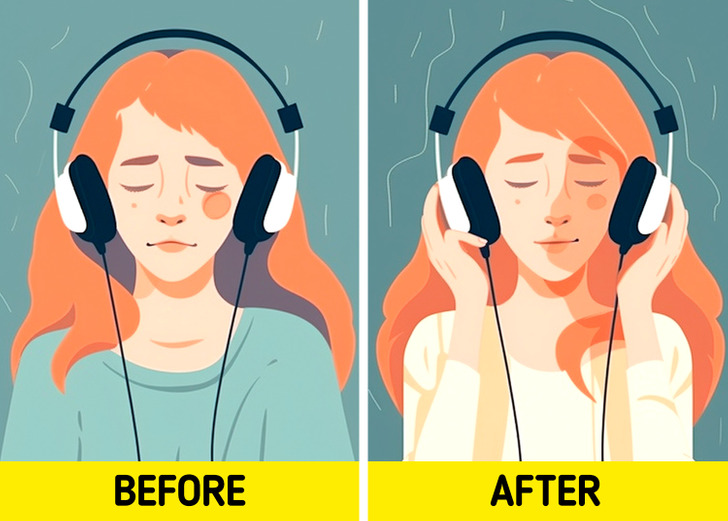 Why Sad Music Never Failed to Make Me Happy
Third, try active listening. Put on headphones, close your eyes, and focus only on the bass line, then the vocal, then the rhythm. This focused attention often amplifies the emotional payoff. It turns a passive experience into a deep meditation.
Fun Facts to Lighten the Mood
Did you know that the key of D minor is often called the “saddest key”? It’s the key for Bach’s famous “Toccata and Fugue” and many pop ballads. It contains a specific interval—a minor third—that humans find inherently melancholic.
Also, yawning and crying to music are linked. Both involve a phenomenon called “emotional contagion” where you mirror the perceived emotion of another being (even an abstract musical one). So if a song makes you yawn-teary, it’s just your brain empathizing with the artist.
And here’s a wild one: a 2014 study found that listening to sad music actually improves your mood in the long run. The initial sadness is processed through the lens of aesthetic appreciation, leaving you feeling validated and often more optimistic.
A Reflection for Your Daily Walk
So next time you’re in the grocery store and a familiar song hits you in the chest, remember this: you aren’t weak. You are neurologically sophisticated. You are using melody and harmony to connect to your deeper self.
Music makes you cry because it is proof that you have lived. It is the vocabulary for feelings that words cannot hold. Each tear is a gratitude for the beauty of being able to feel so deeply.
In a world that often asks you to be numb, letting a song break through is an act of quiet rebellion. Let the tears fall. The music is just reminding you that you’re still awake. And that is the most human thing you can do.
