Why Is Soho Called Soho In London

Wander through the tangled, cobbled streets of London’s Soho, and you’ll feel a distinct buzz—a mix of vintage record shops, neon-lit bars, and the faint echo of jazz from a b...
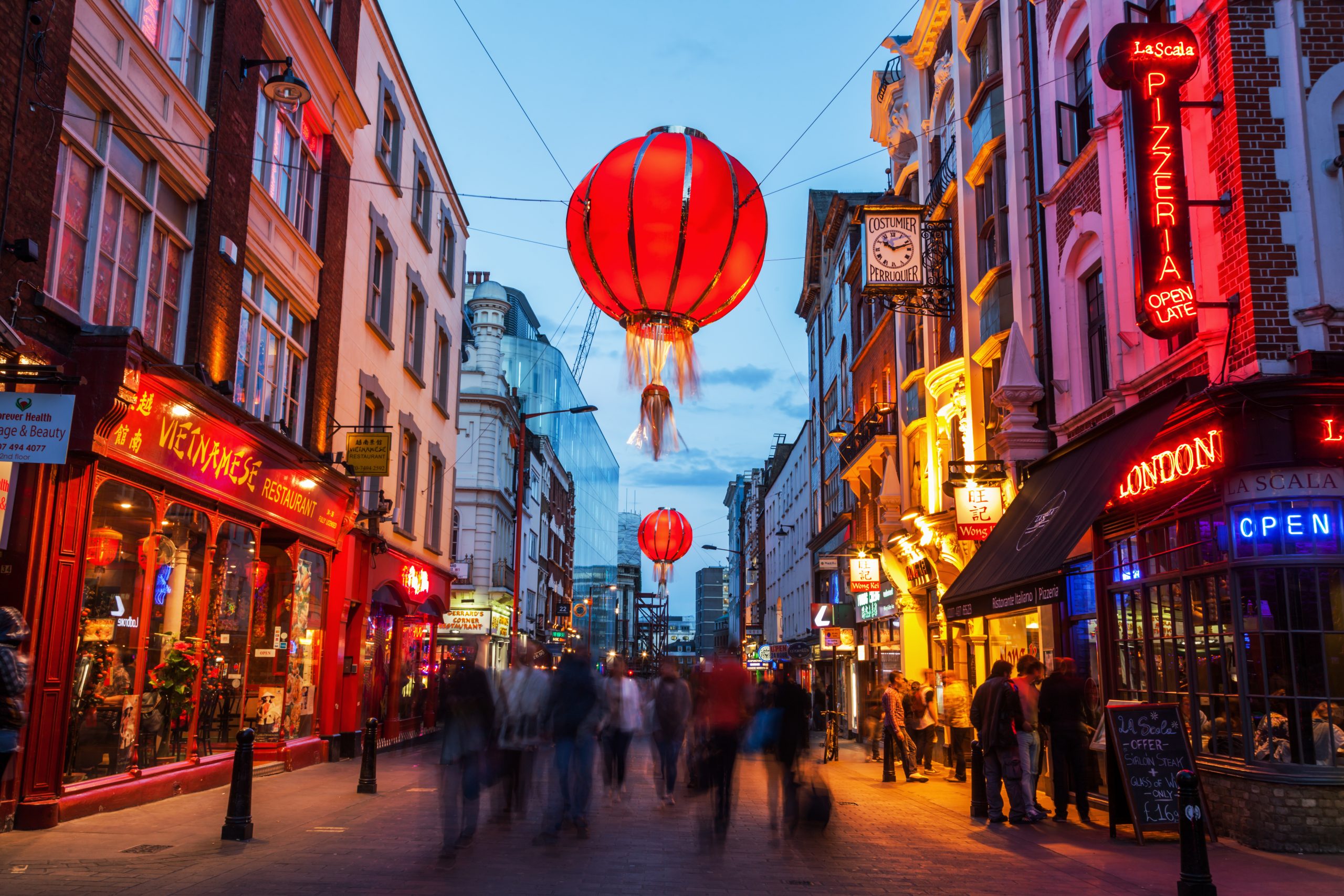
Wander through the tangled, cobbled streets of London’s Soho, and you’ll feel a distinct buzz—a mix of vintage record shops, neon-lit bars, and the faint echo of jazz from a basemnt club. It’s a neighborhood that lives on personality, not perfection. But the air holds a lingering question: why is this patch of central London actually called Soho?
The answer isn’t a glamorous marketing ploy or a modern acronym. In fact, the name predates the neon and the nightlife by several centuries. It’s a story that begins far from curry houses and strip clubs—out in the fields, with a hunter’s cry.
The Original Soho: A Hunting Cry, Not a Postcode
Back in the 16th and 17th centuries, this area was largely open country—a patch of farmland and meadows just outside the City of London’s walls. It was prime real estate for the nobility, who used it as a hunting ground for hares and foxes.
Must Read
Enter the word “so-ho.” This was the traditional cry used by hunters to call their hounds into action, a sort of “tally-ho” for the chasing set. Imagine the scene: a Duke on his horse, shouting “So-ho!” as his dogs tear across what is now Wardour Street.
Historical records confirm that “So Ho” appears on maps from the early 1600s, describing the fields near a specific manor house. The name stuck, even after the posh estates were built and the wild hunts gave way to urban sprawl. It’s literally a hunting shout that became a world-famous address.
A Tale of Two Sohos (And the Confusion)
You might have heard the persistent myth that Soho stands for “South of Houston Street” in New York. That’s true for New York’s SoHo—an acronym invented in the 1960s by urban planners. London’s Soho came first, by about 300 years.
Another fun party fact: there was once a competing area called “Soho” near the Palace of Westminster, but it faded away. London’s Soho won the naming rights through sheer cultural muscle. The name also appears in literature dating back to the 1620s, proving it’s no recent invention.
So when a New Yorker says “SoHo,” they mean a trendy shopping district. When a Londoner says “Soho,” they’re invoking the ghost of a fox hunt. The difference is centuries old and thoroughly charming.
 Soho London The New London Restaurant Openings To Book This Week
From Fields to Vice: The Identity Shift
By the 18th century, the hunting grounds were long gone, replaced by grand townhouses for aristocrats. But the wealthy soon fled west to Mayfair and Belgravia, leaving Soho to become a haven for immigrants, artists, and misfits. French Huguenots, Italian musicians, and Greek cooks all set up shop here.
This melting pot gave Soho its rebellious edge. It became famous for its bohemian theaters, secret gay clubs, and red-light vibrancy—all while keeping that old hunting name. The irony is thick: a hunter’s cry now echoes over drag shows and late-night karaoke.
Today, the name feels less about history and more about attitude. Soho is the part of London that refuses to grow up, a pocket of chaos in a city obsessed with order. The name is a badge of that defiance.
Practical Tips for the Modern Soho Explorer
Walk don’t talk—the tube can be a maze, but strolling down Berwick Street Market or Dean Street is the best way to absorb the energy. Look up at the original 17th-century townhouses that still line the side streets.
Visit at 11 AM on a Tuesday for a quiet coffee at Bar Italia (a Soho institution since 1949). Then return at 11 PM on a Saturday for the full neon spectacle. The contrast is the whole point.
 Das sind die 12 besten Viertel in London - von Shoreditch bis Richmond
Don’t look for a blue plaque explaining the name—there isn’t one. Instead, peer into the alleyways. You might spot a small sign reading “Soho Fields” near Soho Square, a nod to the vanished hunting grounds.
Beyond the Name: What It Teaches Us
There’s a deeper resonance here. Soho’s name evolved from a functional cry into a cultural icon—proof that stories outlive their origins. A word once used to flush out animals now evokes vintage shopping, dim sum, and jazz.
It’s a reminder that places grow into their names, not the other way around. We shape our environments, and then the echoes of our past give them texture. Soho didn’t choose its name; the name was just a word, and the people turned it into legend.
So next time you’re navigating its crowded pavemnts, listen for that faint echo. Somewhere between the rumble of a cocktail shaker and the laughter from a comedy club, you might just hear a horse’s hooves and a huntsman’s call. So-ho!
A Quick Reflection for Your Daily Life
Think about the names in your own world—your street, your café, your hometown. Each carries a forgotten story. Soho reminds us that identity is never fixed; it’s a living document written by everyone who passes through.
Maybe your own “Soho” is that nickname that stuck, the one that doesn’t quite fit but feels completely yours. Embrace the accidental poetry. Because the best names are never planned—they’re just the right shout at the right moment.
