Does Evaporative Cooling Increase Humidity

Picture this: you’re lounging on a sun-drenched patio in Phoenix, the air so dry it feels like a wolf is gnawing on your sinuses. Someone fires up a swamp cooler, and a blesse...
Picture this: you’re lounging on a sun-drenched patio in Phoenix, the air so dry it feels like a wolf is gnawing on your sinuses. Someone fires up a swamp cooler, and a blessed, damp breeze washes over you. But then, a tiny, anxious thought buzzes in your brain: Am I just trading one kind of discomfort for a muggy, sticky nightmare?
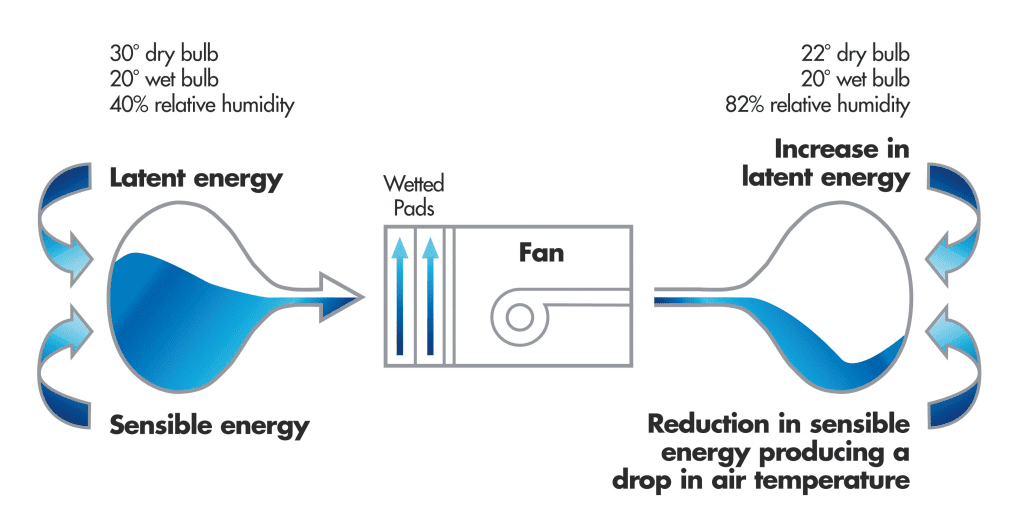
Let’s settle this once and for all: yes, evaporative cooling does increase humidity. That’s not a bug—it’s the whole, glorious feature. Unlike your air conditioner, which recycles the same stale, dry air, a swamp cooler breathes fresh life into your space by literally adding moisture.
Think of it like a giant, elegant wick. The fan pulls hot, dry air through water-soaked pads. The water evaporates, stealing heat from the air and dropping the temperature, while water vapor is released directly into your room. It’s the same physics that makes you shiver when you step out of a pool on a breezy day.
Must Read
The Sweet Spot: Where Comfort Mees Humidity
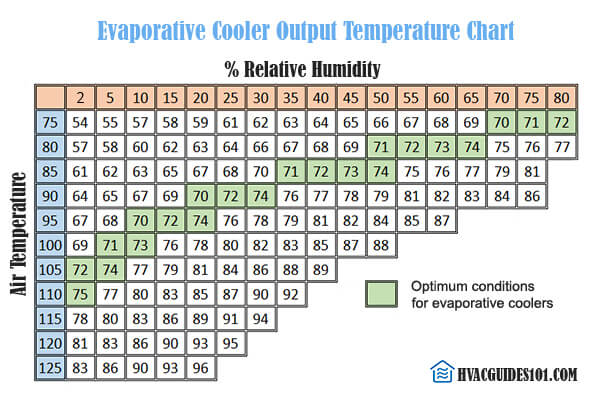
Here’s the magic threshold: evaporative cooling thrives when the outdoor relative humidity is below 30% to 40%. In places like Arizona, Nevada, or Colorado, this is basically a superpower. You get a temperature drop of 15 to 30 degrees without the brutal dryness of central AC.
But what about those sticky moments? If the outside humidity is already north of 60%, your swamp cooler turns into a swamp. The air is too saturated to accept more water vapor, so the cooling stops, and you’re left with a room that feels like a steamed broccoli floret.
That’s why modern units come with humidistats—tiny sensors that measure moisture and shut off the fan when things get soupy. It’s your personal air nanny, ensuring you never cross into clammy territory.
A Little History: The Ancient Art of Wetting the Wind
Humans have been playing this game for millennia. Ancient Egyptians hung wet reeds in doorways, and the Romans cooled their villas with flowing aqueduct water. The qanat windcatchers of Persia used underground tunnels and water pools to create the same effect. We haven’t invented anything new—we just slapped a motor on it.
Fun fact: your own body is a portable evaporative cooler. When you sweat, the water evaporates off your skin, lowering your temperature. A swamp cooler is basically your armpit’s hero cousin, scaled up to house size.
 How does it work - Neil Climatizadores
Cultural note: In India, khas mats (made from vetiver grass roots) are hung in doorways and doused with water. The breeze picks up a grassy, earthy scent that’s basically a spa day for your soul. Swamp cooler owners, take note—you can add a few drops of eucalyptus oil to your pads for a similar aromatherapy boost.
Practical Tips: Mastering the Moisture Dance
So, how do you enjoy the benefits without turning your living room into a terrarium? First, ventilate like you mean it. Crack a window or a door at least a few inches. Evaporative coolers need to push out the old, humid air to draw in fresh, dry air. If you keep everything sealed, you’ll just have a slightly cooler, very wet room.
Second, measure your dew point. You don’t need a meteorology degree—just check your local weather app. If the humidity is above 50%, go ahead and switch to AC or a fan. If it’s low, crack open a window, crank your cooler, and live like a desert king.
Third, clean the pads regularly. Mineral deposits from hard water can turn your cooling pads into crusty, useless bricks. A simple vinegar rinse every few weeks will keep the airflow crisp and the pads thirsty. Bonus: it prevents that “damp basement” smell from taking over your yoga corner.
The Myth-Busting Mini-List
Let’s clear up a few neighborhood legends: no, evaporative cooling does not cause mold automatically. Humidity above 60% for extended periods can, but a properly sized unit in a dry climate will keep indoor humidity between 40% and 60%—perfect for both humans and houseplants. Also, you cannot “over-humidify” a room with a unit that’s too big. Overcooling is possible, but moisture buildup is controlled by how much ventilation you provide. Think of your cooler as a gentle rain dancer, not a monsoon.
 Evap Cooling Vs Humidity at Carly Decosta blog
And that urban myth about swamp coolers making desert homes smell like “wet dog”? That’s usually a sign of neglected pads or standing water. Drain your cooler at the end of the season, replace pads annually, and your home will smell like fresh laundry, not a kennel.
Reflection: The Air You Breathe Is a Choice
There’s a quiet poetry in evaporative cooling. It’s a reminder that nature runs on balance. Too much dryness and we crack; too much moisture and we suffocate. The swamp cooler sits between these extremes, a humble mediator that uses the simplest physics—water, air, and a little breeze—to make life bearable.
In a world obsessed with sealed, sterile environments, there’s something rebellious about inviting the outside in. When you crack that window and feel the first cool, humid breath of a swamp cooler, you’re not just lowering a thermostat. You’re saying yes to the real world—dust, cicadas, and all.
So, does evaporative cooling increase humidity? Yes. But think of it less as a problem and more as a soft invitation—to breathe deeper, live slower, and remember that comfort is not about controlling every molecule, but about finding the sweet spot where your body and the air finally agree.
Now go pour a glass of lemonade, open a window, and let your swamp cooler do its ancient, humidified dance. Your skin will thank you. Your electric bill will hug you. And honestly, isn’t that the kind of easy-going vibe we all need?
