How To Multiply Using Distributive Property

Alright, friend, let’s talk about multiplying. I know, I know—your brain just yawned. But stick with me, because we’re about to turn this math trick into a superpower you’ll a...
Alright, friend, let’s talk about multiplying. I know, I know—your brain just yawned. But stick with me, because we’re about to turn this math trick into a superpower you’ll actually want to use.
It’s called the Distributive Property. Sounds fancy, right? Like something a wizard would mutter before pulling a rabbit out of a hat.
But really, it’s just a clever way to break big, scary multiplication problems into smaller, friendlier ones. Think of it as the “divide and conquer” of math—without the swords.
Must Read
So, What’s the Big Idea?
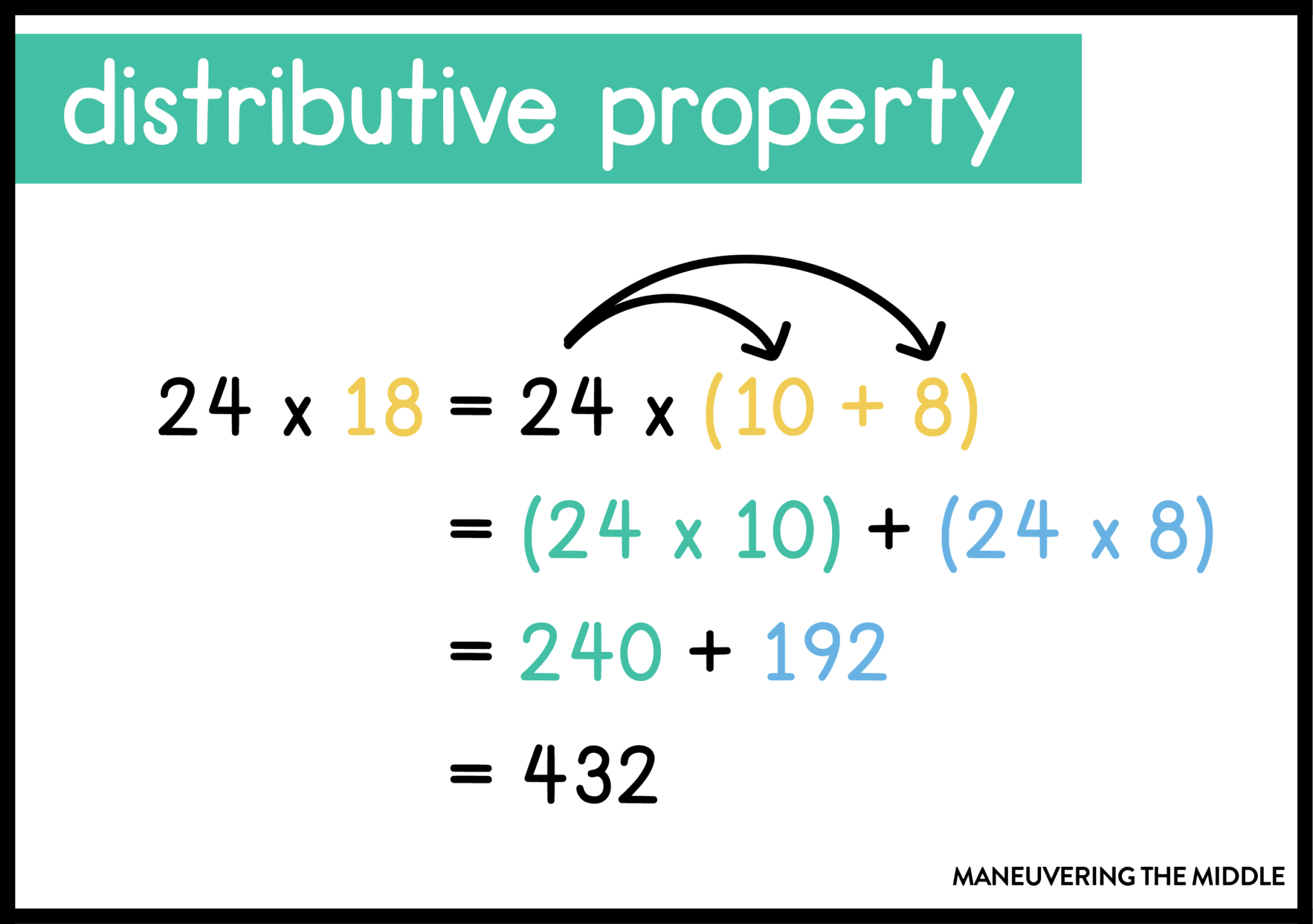
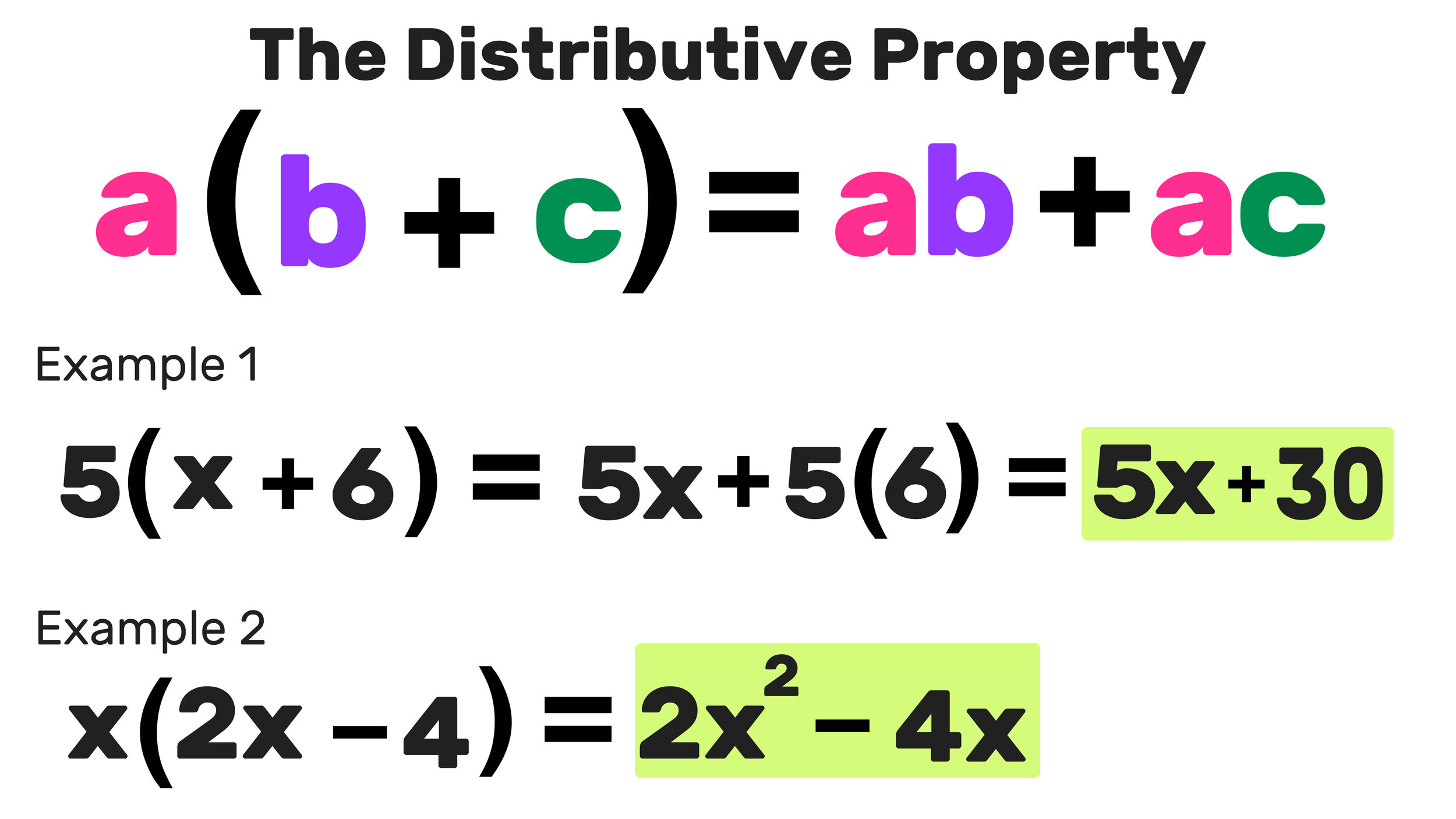
The Distributive Property says: a × (b + c) = (a × b) + (a × c). That’s it! It’s like having a pizza and sharing it with two friends—you give a slice to each.
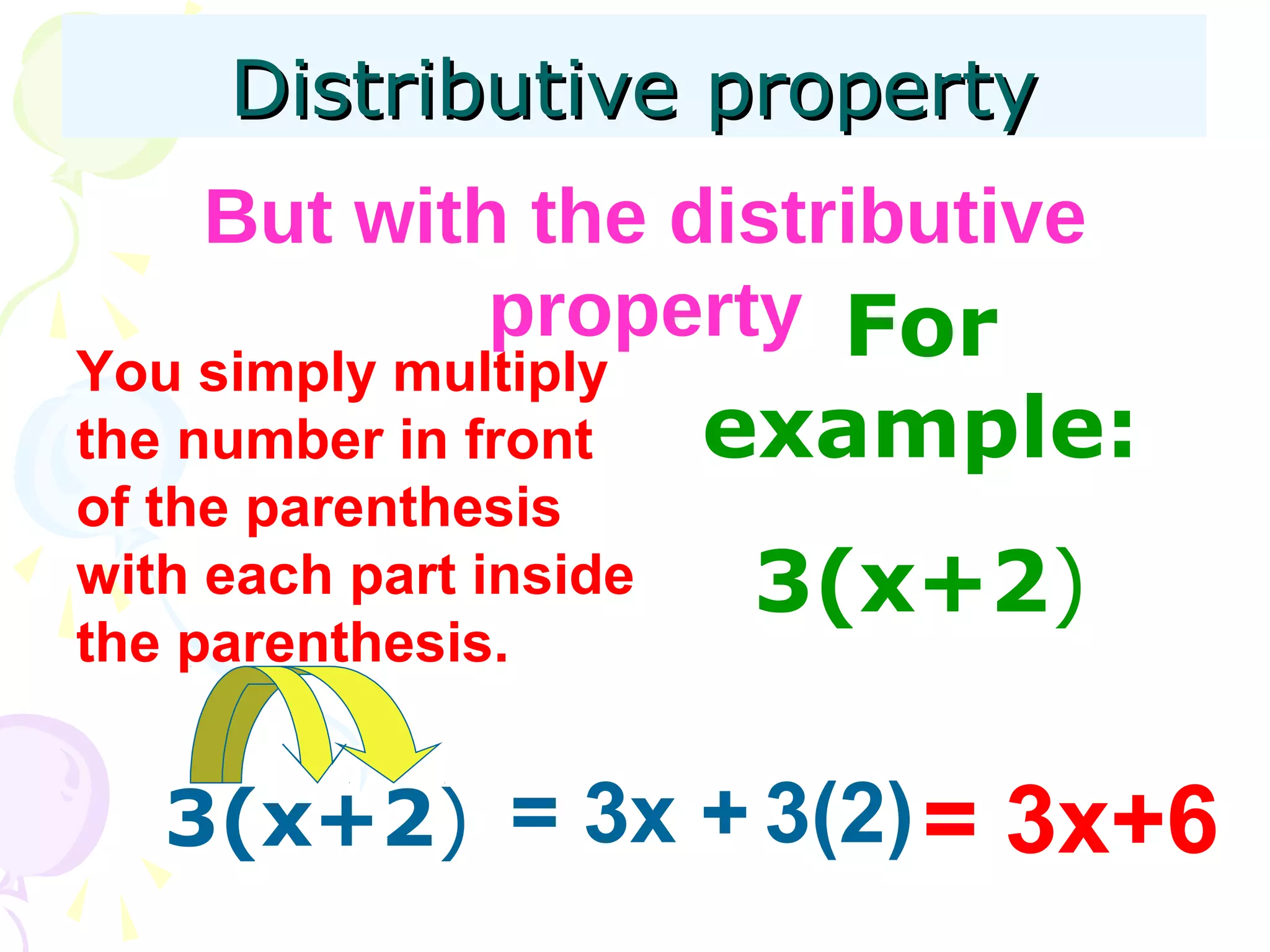
In plain English: you distribute the number outside the parentheses to each number inside. Then you add the results. Easy peasy, lemon squeezy.
No magic spells required—just a little patience and a sense of humor. (And maybe a snack, because math always goes better with snacks.)
Let’s Try It with a Real-Life Problem
Imagine you’re buying 5 bags of candy. Each bag has 3 lollipops and 4 gummy bears. How many treats do you have total?
You could multiply 5 × 7 (because 3 + 4 = 7). That gives you 35. But the Distributive Property gives you another path: 5 × (3 + 4) = (5 × 3) + (5 × 4).
So that’s 15 lollipops plus 20 gummy bears = 35. Same answer, but now you’ve got the satisfaction of splitting the work. High-five yourself.
See? No meltdowns, no tears. Just a happy math moment.
Why Bother? (Besides Showing Off at Parties)
Here’s the secret: the Distributive Property makes mental math a breeze. Let’s say you need to multiply 6 × 24. Yuck, right?
But 24 is just 20 + 4. So rewrite it: 6 × (20 + 4) = (6 × 20) + (6 × 4). That’s 120 + 24 = 144. Told you—superpower.
Now you can multiply big numbers in your head while your friends fumble for calculators. You’ll look like a genius. You’re welcome.
And if you mess up? Just blame it on “distributing too many slices.” I do it all the time.
 Distributive property in algebra power point | PPT
Let’s Get a Little Fancier (Without Sweating)
What if you see 7 × 99? That’s a pain, right? But 99 is just 100 – 1. The Distributive Property works with subtraction too!
So 7 × (100 – 1) = (7 × 100) – (7 × 1) = 700 – 7 = 693. Boom. You just saved your brain about 30 seconds of agony.
You can even use it with three numbers: 4 × (2 + 5 + 1) = (4×2) + (4×5) + (4×1) = 8 + 20 + 4 = 32. Distribute like confetti.
Just don’t actually throw confetti while doing math. Paper cuts are no joke.
When to Use It (and When to Just Use a Calculator)
Use the Distributive Property anytime you want to break a problem into smaller, easier chunks. It’s your math BFF.
But hey—if you’re in a hurry and your phone’s right there, no judgment. We’re not math puritans. We’re math enjoyers.
The real win is understanding why it works. That’s when math stops being a chore and starts being a game. And games are fun, right?
One More Trick: The “Oops, I Drove Past My Exit” Method
Imagine you’re multiplying 3 × 17. Maybe 17 feels awkward, like a chair with three legs. But 17 = 10 + 7.
So 3 × 10 = 30, plus 3 × 7 = 21, equals 51. Easy. Now you can impress your friends at the gas station while filling up. “That’ll be $51,” you’ll say, and everyone will gasp.
Okay, they probably won’t gasp. But you’ll feel cool inside. And that’s what matters.
But Wait—What About Variables? (Yawn, I Know)
In algebra class, they’ll write something like x(5 + 2) = 5x + 2x. Same property, just with a fancy letter. Don’t let the x scare you—it’s just a placeholder for a number you haven’t met yet.
 Blog — Mashup Math
Think of it as a mystery guest at a party. You still give them a slice of pizza. The Distributive Property doesn’t discriminate.
And when you finally solve for that mystery number? Pure victory. Cue confetti again—but real confetti this time.
The Most Important Thing
You don’t have to be a math whiz to use this. You just need curiosity and a tiny bit of courage. Try it on a small problem first, like a warm-up stretch for your brain.
If you mess up? No big deal. The Distributive Property will still be there tomorrow, waiting with a friendly smile. It’s not going anywhere.
And remember: every time you use it, you’re training your brain to think flexibly. That’s way more valuable than any test score.
Your Turn to Be the Math Hero
Go ahead—find a problem like 8 × 15 and break it into 8 × (10 + 5). You’ll get 80 + 40 = 120. Pat yourself on the back.
Or try 9 × 21. That’s 9 × 20 = 180, plus 9 × 1 = 9, total 189. You’re a multiplication ninja now.
Share your new skill with a friend. They’ll be impressed. Or confused. Either way, you’ll have a story to tell.
Uplifting Conclusion (You Made It!)
See? The Distributive Property isn’t some dusty rule from a textbook. It’s a little life hack that turns big, scary numbers into tiny, manageable ones—like breaking a giant cookie into bite-sized pieces.
And isn’t that what we all need? A way to make the hard stuff a little lighter, a little sweeter, and a whole lot less intimidating?
So the next time you see a multiplication problem that makes you groan, just whisper to yourself: “I can distribute this.” Then smile, because you’ve got this. You’re not just doing math—you’re enjoying it.
And if anyone asks how you got so good? Tell them a friendly voice on the internet showed you the way. Then offer them a slice of pizza. 🍕
