How Long For Turf To Root

You’ve done the hard part. The soil is prepped, the sod is rolled out like a lush green carpet, and your lawn looks like a billion bucks. Now comes the waiting game—the quiet,...

You’ve done the hard part. The soil is prepped, the sod is rolled out like a lush green carpet, and your lawn looks like a billion bucks. Now comes the waiting game—the quiet, anxious period when you wonder if that beautiful turf is actually taking hold. The big question everyone asks: how long for turf to root?
The short answer is between two and six weeks. It’s not a precise science, but a general rule of thumb. Within the first two weeks, those roots begin to knit into the soil beneath. By week six, your lawn should be firmly anchored, ready for a gentle tug test.
Think of it like a first date. You’re charming, the turf is beautiful, but real connection takes time.The Factors That Play Cupid
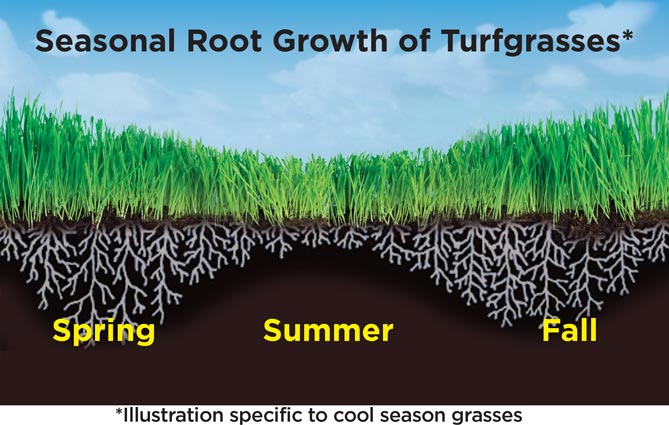
Sure, time is a constant, but weather is the real wild card. Turf roots fastest when the soil temperature hovers between 10°C and 18°C (50°F to 65°F). That’s why spring and early autumn are the golden seasons for laying sod—Mother Nature is already doing the heavy lifting.
Must Read
If you lay turf in the middle of a scorching summer, those roots might sulk. The heat stresses the grass, and it prioritizes survival over growth. Conversely, laying it in winter means the ground is too cold for active root development—it’s like asking a bear to run a marathon during hibernation.
Another sneaky factor is soil preparation. If you skimped on loosening the top few inches or forgot to add compost, you’re basically asking roots to push through concrete. A welcoming soil bed is non-negotiable. Think of it as giving your turf a five-star hotel room instead of a cardboard box.
The Great Watering Debate
You’ll hear a lot of conflicting advice, but here’s the truth: keep it moist, not flooded. For the first ten days, water daily—enough that the soil beneath the turf stays damp. Overwatering drowns the roots; underwatering sends them into panic mode.
A fun little fact: grass roots are actually lazy. They won’t go looking for water if you keep drenching the surface. That’s why occasional deep watering encourages them to reach down. But in the early days, shallow and frequent is your friend.
And don’t forget about rolling—if you feel any air pockets under the sod, roll it gently with a lawn roller. Air pockets are the enemy of rooting. They’re like a crack in a relationship—a gap that prevents genuine connection.
Cultural References to Keep You Sane
Waiting for turf to root is the gardening equivalent of waiting for your bread dough to rise. You check it obsessively, poke it, and wonder if it’s doing anything at all. In Korea, they have a phrase: “ppalli ppalli”—meaning “quickly, quickly.” It’s the opposite energy you need here.
 Hardier Lawns Start With Fall Fertilization • GreenView
Think of the slow-food movement. Or that scene in Forrest Gump where he sits on the bench, waiting for a bus. Roots don’t rush. They work underground, silently, while you drink coffee and pretend not to stare.
Even the ancient Romans understood patience. They had a saying: “Festina lente”—make haste slowly. Your turf knows this wisdom. It’s not ignoring you; it’s building a foundation.
Practical Tips for the First Month
Here’s a cheat sheet: Day 1-7: Water daily, walk on it as little as possible. Day 8-14: Reduce watering to every other day. Try a gentle tug—if it resists, you’re golden. Day 15-21: You can mow it (set the blade high, no more than one-third off the top). This actually encourages root growth by forcing the grass to focus below.
A sign that rooting is progressing: the turf feels firm underfoot. If you can lift a corner easily, give it more time. And don’t fertilize until after the first mow—early feeding can burn tender roots.
Pro tip: test soil moisture with a screwdriver. If it slides in easily, the ground is hydrated. If it hits resistance, water before sunset. Roots love a warm, damp environment overnight.
When Things Go Wrong
Sometimes turf doesn’t root. The sod might develop yellow patches, or it starts curling at the edges like a bad perm. This usually means underwatering or poor soil contact. The fix is simple: re-roll the area, apply water deeply, and give it another two weeks.
If you see mold or mushrooms, you’re overwatering. Back off immediately. Mushrooms are nature’s way of saying, “Hey, you’re drowning the poor grass.”
 How to Maintain Healthy Turfgrass through Fall/Winter Dormancy
And if your turf seems to be growing but feels loose? That’s normal—the roots are still babies. Give it another week of light watering and no foot traffic. Patience is the only real cure.
Think of it like learning to trust a new friend. You can’t force it. You just show up, water the connection, and let time do its quiet work.Fun Little Facts to Impress Your Neighbors
Did you know that grass roots can grow up to six feet deep in ideal conditions? That’s deeper than your average swimming pool. But in turf, they’re usually content with the top six inches—for now. Also, a single grass plant can produce hundreds of miles of roots over its lifetime. Your lawn is literally knitting a giant underground net.
Another quirky fact: grass communicates chemically. When one blade gets damaged, it releases a hormone that tells nearby blades to toughen up. So when you walk on new turf, you’re actually triggering root growth—as long as you don’t overdo it. A little stress is good. A lot is a disaster.
And here’s one to drop at dinner parties: the word “turf” comes from the Old English “turf” meaning sod or peat. It shares roots (pun intended) with the Sanskrit word “darbha”—a sacred grass used in Hindu rituals. Your lawn has ancient, holy ancestry. Treat it with respect.
The Final Connection to Daily Life
Waiting for turf to root is a gentle reminder that some things can’t be rushed. In a world of instant streaming, same-day delivery, and one-click purchases, this slow process feels almost rebellious. You can’t speed it up, hack it, or optimize it away.
You have to trust the process. You have to water, wait, and resist the urge to pull up the edges and check. And then, one morning, you step outside and feel it—a firm, springy surface that holds your weight with quiet confidence. The roots are in. Your patience paid off.
That feeling—the moment you realize the grass has decided to call your yard home—is worth every day of waiting. Because rooting isn’t just about grass. It’s about building something that lasts, something that weathers storms and grows deeper with time. And isn’t that what we’re all trying to do?
