Can Bail Enforcement Agents Enter Your Home

You’re three episodes deep into a true-crime documentary, half a bowl of popcorn in your lap, when the doorbell rings. It’s not a pizza delivery or your neighbor asking for su...
You’re three episodes deep into a true-crime documentary, half a bowl of popcorn in your lap, when the doorbell rings. It’s not a pizza delivery or your neighbor asking for sugar—it’s a bail enforcement agent, which is the polite term for a bounty hunter. Your brain immediately goes to the scene from Dog the Bounty Hunter where they kick in a door, and you start sweating. But can they actually do that? Settle in, because the answer is both simpler and weirder than you think.
First, a reality check: These aren’t cops
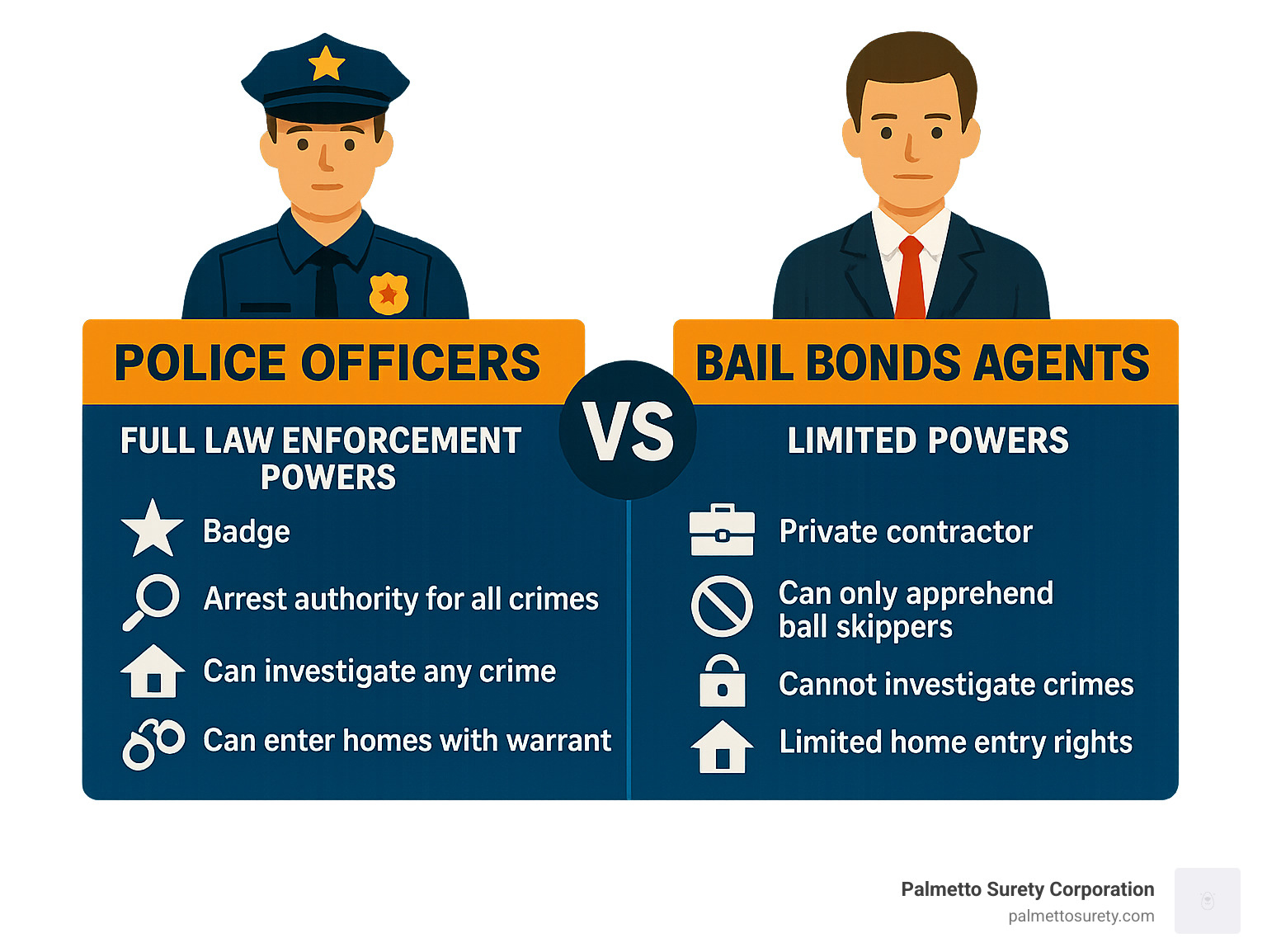
Bail enforcement agents are private contractors, not government employees. They work for a bail bondsman, and their job is to track down someone who skipped court after posting bail. They don’t carry badges, and they don’t read you your rights. Think of them like the repo man, but for a person who owes money to a legal system.
Here’s the kicker: They don’t need a warrant to arrest their target in most states. That’s because they’re acting on behalf of the bondsman, who holds a contractual right to “bring you in.” It’s like if your friend borrowed your car and then drove to Mexico—you’d want to take the keys back, right? The law gives bail agents a little more rope than the police get, because the person they’re chasing already agreed to be caught when they signed the bond.
Must Read
The big one: Can they just barge in?
This is where the popcorn gets dangerous. In general, bail enforcement agents can enter your home—but only if they have a reasonable belief that their target is inside, and only if they follow certain rules. Here’s the plot twist: They can’t just kick down your door for fun. They need permission from the person whose home it is, or they need to be in “hot pursuit” of the fugitive.
Imagine you’re housesitting for your brother, and the bail agent thinks he’s hiding in the attic. If you say, “He’s not here, please go away,” they can’t legally break in unless they see him run in the back door first. That’s the hot pursuit part. It’s like when your mom yelled, “I’m counting to three!”—you had time to negotiate before the countdown ended.
But what if the house is yours and you’re not the target?
This is the part that feels like a bad dream. If a bail agent shows up at your door looking for a roommate or a cousin who crashed on your couch, you have rights as a third party. In most states, they cannot force their way into your home unless they have a warrant or your consent. That’s a big deal, because you didn’t sign any contract.
 Can Bail Bondsmen Enter Your Home? Know Your Legal Rights - Lord
My buddy Dave once answered the door in his boxers to find three men in tactical vests asking for his old college roommate. Dave pointed to the empty beer cans in the recycling bin and said, “He moved out three weeks ago.” The agents left without a peep, but Dave told me he locked the door and double-bolted it, then sat on the couch muttering, “I didn’t sign up for this.” The key? Don’t lie to them. If you say, “He’s definitely not here,” and he’s actually in the bathroom, you could be charged with obstruction.
The classic “knock-and-talk” scenario
Most agents don’t want to play SWAT team. They’ll knock, announce themselves, and try to talk their way in. It’s like a really aggressive vacuum cleaner salesman, but with a badge. If you open the door even an inch, they might try to slide in, claiming you “invited them in.” That’s why experts say: Don’t open the door all the way. Talk through the screen or a chain lock. You’re not being rude—you’re being smart.
One agent I read about said he once got into a house by complimenting the homeowner’s garden. The guy was so flattered he opened the door wide, and boom, the agent spotted the fugitive eating cereal in the kitchen. The moral? Never trust a bounty hunter who compliments your petunias.
 Can Bail Bondsmen Enter Your Home? Know Your Legal Rights - Lord
What about at night? Or when you’ve got kids?
The law doesn’t have a “don’t wake the baby” exception. If the agent has legal footing, they can show up at 2 a.m., knock loudly, and demand entry. But most agents avoid that because it makes them look like the bad guy in a horror movie. They want a clean capture, not a viral video of them scaring a toddler.
If you’re the fugitive’s aunt and they ask to search the house, say no politely. You have the right to say, “I don’t consent to a search, and please leave.” They might grumble, but they have to listen—unless they see the fugitive clearly through a window. That’s called “plain view,” and it’s like a cheat code for them.
The bottom line (and a little humor)
So, can a bail enforcement agent enter your home? Yes, but only if you’re the target and they’re chasing you, or if you give them permission. Otherwise, they’re stuck on the porch like a lost Amazon delivery driver. The best defense is simple: don’t admit a fugitive into your home, and if one sneaks in, don’t lie to the agent—just tell them to call the cops instead.
Think of your front door like a velvet rope at a club. You decide who gets in. And if a guy in a bulletproof vest asks if he can check your closet for your ex-boyfriend, just say, “Sorry, members only.” They’ll roll their eyes, but they’ll leave. Then you can finish your documentary—probably with a fresh bowl of popcorn, and a newfound respect for your door’s deadbolt.
