How To Cut Metal Drain Pipe

So there I was, on a Saturday afternoon, knee-deep in mud under my 1930s house. The old cast-iron drainpipe had finally given up, and I was holding a hacksaw with absolutely z...
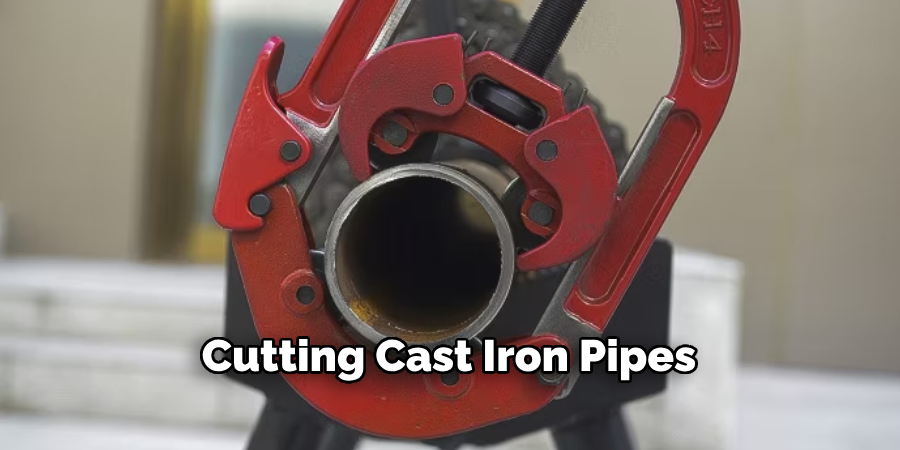
So there I was, on a Saturday afternoon, knee-deep in mud under my 1930s house. The old cast-iron drainpipe had finally given up, and I was holding a hacksaw with absolutely zero confidence.
My neighbor, Bob, yelled over the fence, “Just use a grinder, kid!” Bob has a grinder for everything, including slicing his bagel. I decided against Bob’s advice.
Cutting a metal drainpipe isn't rocket science, but it’s a special kind of home-repair purgatory. You’re fighting grime, rust, and the universal truth that nothing is ever square in an old house.
Must Read
Let’s get one thing straight: metal drainpipes are not all the same. You’ve got cast iron (heavy, brittle, sounds like a bell when you hit it) and galvanized steel (tough, silvery, wants to fight you).
Your approach changes completely based on which one you’re wrestling. I learned this the hard way after snapping three blades on a cast-iron stack.
The Tools You Actually Need (And the Ones You Don't)
First, forget the cheap hacksaw from the grocery store. You will break it and you will curse the day you were born. Get a 12-inch hacksaw frame with a high-tension blade—24 teeth per inch for steel, 18 for thicker cast iron.
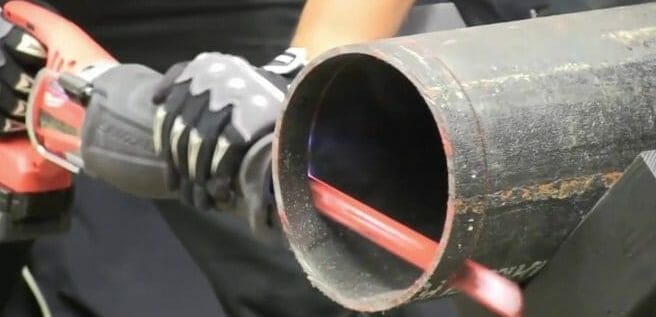
Or, if you have the budget and a tiny spark of insanity, buy a reciprocating saw (a Sawzall). It’s loud, it vibrates your soul loose, but it’s a miracle for cutting through pipe in tight spots. Use a bi-metal blade designed for metal, and don't be a hero—let the saw do the work.
For the love of all things plumbing, grab a file to debur the cut edges. A raw metal edge will shred your new rubber coupling like a cheese grater. I ignored this once. My basement flooded. Learn from my soggy failure.
Step One: Measure Twice (Or Three Times, You Animal)
Cut once, then cry when your pipe is three inches too short. This is a drainpipe, not a spaghetti noodle—you can’t just stretch it. Mark your cut line with a piece of chalk or a permanent marker.
 How to Cut Stainless Steel Pipe: Expert Guide & Tips
Wrap your tape measure around the pipe to make sure your line is perfectly square. I use a piece of paper—wrap it around the pipe, align the edges, then draw along the paper’s edge. It’s idiot-proof, and I am the proof.
Step Two: Cutting the Beast
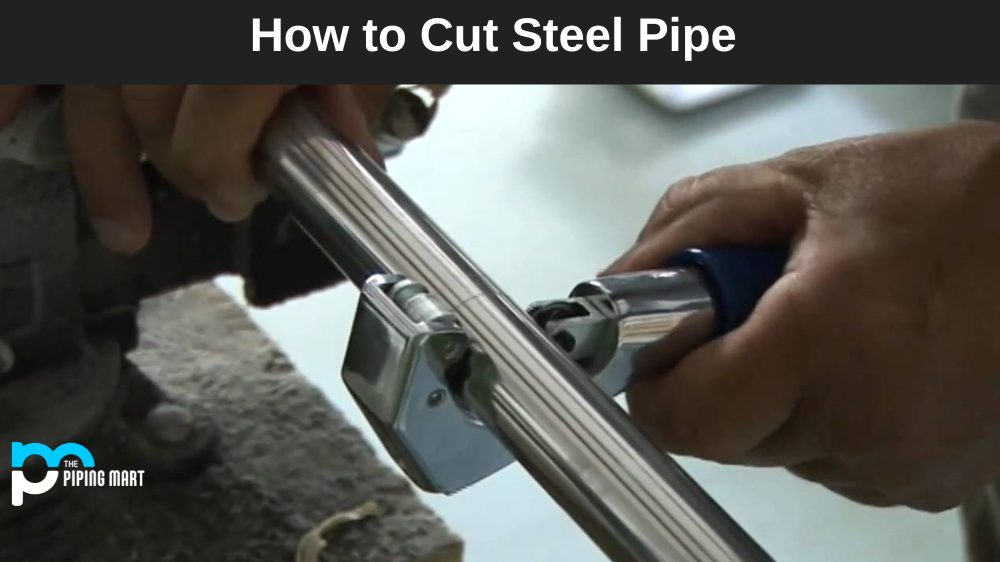
If you’re using a hacksaw, brace the pipe against something solid. A vise is ideal, but a concrete floor and your knee work too (go ahead, feel that vibration). Saw with long, steady strokes—not fast, frantic chattering.
For a reciprocating saw, clamp the pipe if you can. Place the saw’s shoe against the pipe, start slow, then let the blade bite. Watch your other hand. These saws kick like a mule and don’t care about your fingers.
Cast iron is special: you don’t “cut” it so much as “persuade it to snap.” Score the pipe with a hammer and cold chisel all around, then give it one sharp whack. It cracks cleanly, and you feel like a barbarian. It’s deeply satisfying.
Step Three: The Cleanup Nobody Talks About
You’re done cutting. Now you have a jagged, sharp edge that will absolutely cut you if you look at it wrong. Grab your file and smooth the inside and outside edges. Don’t skip this. A burr can catch debris and clog your drain within a month.
Wipe off all the metal shavings with a rag. Shavings in a drain system are like sand in a sandwich—they just ruin everything later. Blow it out with compressed air if you’re fancy, or use your lungs like a caveperson.
 How To Cut Metal Pipe: Metal Pipe Cutting Tool – EYONM
The Special Hell of Cast Iron
If you’re cutting old cast iron, stop for a second. That pipe is probably held together with lead and oakum—cancerous old-school stuff. Wear a respirator, not a dust mask. Trust me, you don’t want that grey dust in your lungs.
Also, cast iron is brittle. It can crack unpredictably, sending a piece flying. I once had a chunk hit my safety glasses. I now wear them every time. You should too, unless you enjoy blinking out of one eye.
The Satisfying Moment
When you finally pull that cut piece free, you’ll feel a rush. It’s stupid, but it’s there. You fought the pipe, and you won. Then you stare at the gap and realize the new fitting doesn’t quite fit. That’s plumbing, baby.
But here’s the trick: metal drainpipe cuts cleanly if you’re patient. It’s not like PVC where you can just glue it back together. This is a permanent, violent separation. Own it.
So go on, grab that hacksaw, make your mark, and commit. Your plumbing future depends on your ability to cut straight. And if you screw up? Well, that’s what extra couplings are for.
Now go wash the grit out of your hair. You’ve earned it.
