How To Spot A Counterfeit 20

You’re at a cool little bar downtown, the kind with vintage lamps and a jukebox that only plays vinyl. You hand over a crisp $20 bill for your craft cocktail, and the bartende...
You’re at a cool little bar downtown, the kind with vintage lamps and a jukebox that only plays vinyl. You hand over a crisp $20 bill for your craft cocktail, and the bartender holds it up to the light for a second too long. Your heart skips a beat—is that thing fake?
Let’s be real: spotting a counterfeit $20 isn’t just for bank tellers or Secret Service agents anymore. With a little know-how, you can look like a total pro and save yourself from an awkward moment (or a lost twenty). Here’s your cheat sheet to feeling like a forensic detective on a casual Friday afternoon.
The Feel Test: Your First Line of Defense
Real American currency is printed on a unique blend of 75% cotton and 25% linen. It’s not the slick, papery texture of a notebook page—it has a slight, almost fabric-like crispness. Run your thumb over the bill; you should feel tiny ridges of raised ink, especially on the collar of Andrew Jackson’s portrait.
Fun fact: The Bureau of Engraving and Printing uses a special intaglio printing process that literally pushes ink into the paper. That’s why a real $20 feels almost sculpted. A fake will feel flat, smooth, and maybe even a little waxy—like it came from a home printer at 2 a.m.
The Light Trick: Hold It Up Like a Pro
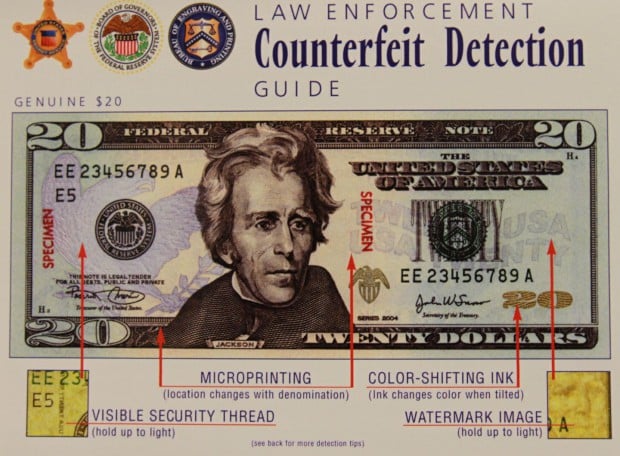
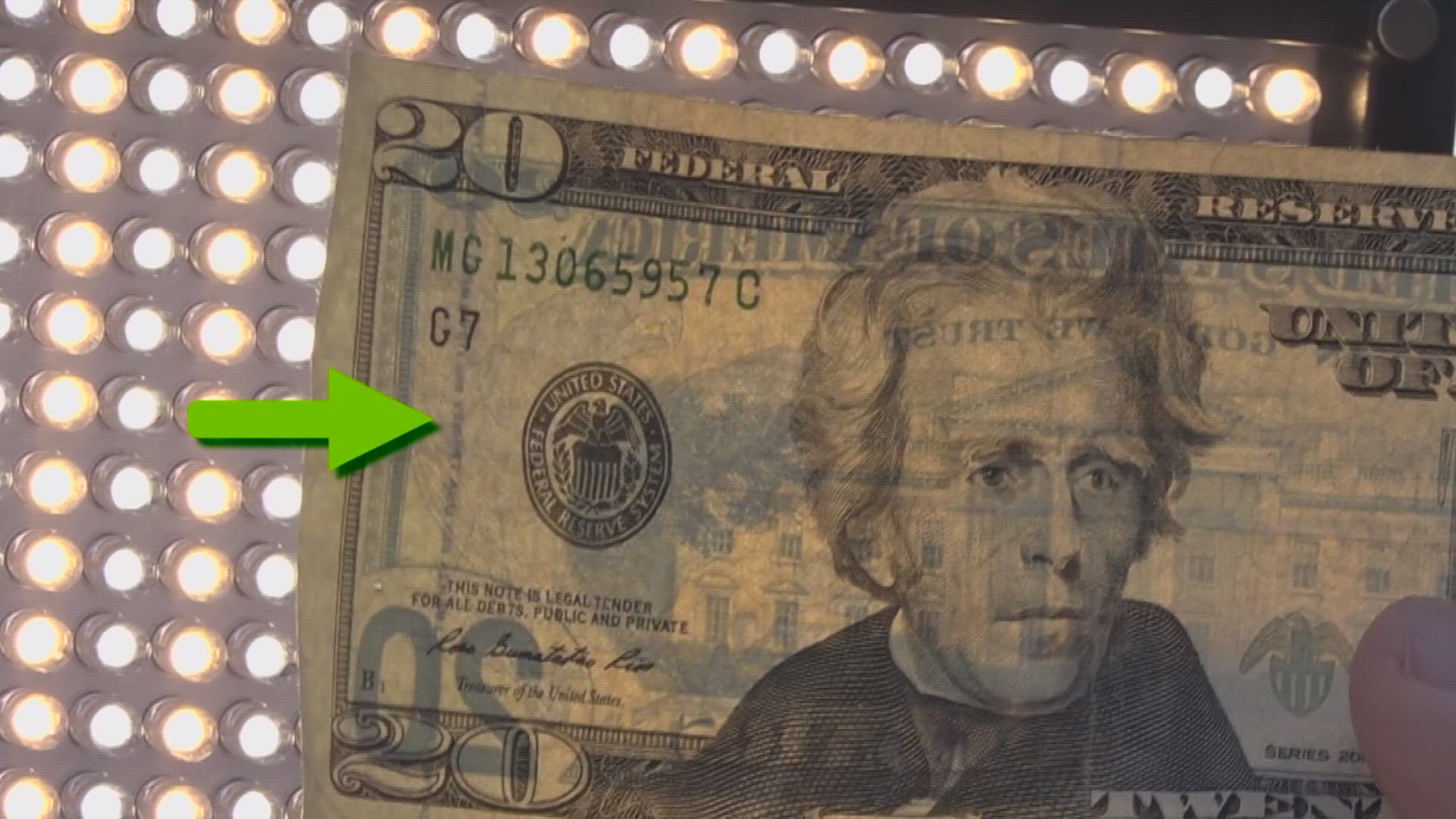
Step away from the cocktail and find a light source—a window, a phone flashlight, or that neon sign outside. Look for the watermark of Andrew Jackson’s face on the right side of the bill. It’s not printed; it’s embedded in the paper itself. You should see a ghostly, three-dimensional version of his mug.
Now check the security thread—a thin, embedded strip that runs vertically to the left of the portrait. On a real $20, it says “USA TWENTY” in tiny letters and glows green under ultraviolet light. No glow? No “USA TWENTY”? That’s a red flag. As a cultural side note, this tech has been around since the 1990s (remember the movie Catch Me If You Can? That was pre-thread).
Color-Shifting Ink: The Party Trick
Look at the number “20” in the lower right corner of the bill. Tilt it back and forth like you’re checking a fancy invitation. In genuine currency, the ink shifts from copper to green. It’s not a subtle gradient—it’s a clear, cool color change that feels almost magical.
 Essential Tips to Identify a Fake $20 Bill with Confidence - Smart
Counterfeiters hate this one simple trick. They often use metallic paint that just looks shimmery, without the actual shift. If that number looks like a static sticker, you’re probably holding a fraud. Plus, it’s a great conversation starter at parties: “Hey, watch this $20 bill change color!”
Microprinting: The Nerd Detail
Grab your reading glasses or squint a little. Real $20s are covered in tiny text that’s nearly impossible to replicate. Look at the border around the portrait—specifically, the oval frame. You’ll see “THE UNITED STATES OF AMERICA” repeated in microscopic lettering. It should be crisp and clear, not blurry or smudged.
Another spot: the collar of Andrew Jackson’s jacket. Check for “USA 20” printed in minuscule letters. On a genuine bill, this is so fine it looks like a pattern. On a fake, it often reads as a messy line or just disappears. It’s basically the currency equivalent of a hidden Easter egg in a video game.
The Red & Blue Fibers: Vintage Vibe
Authentic bills have tiny, randomly embedded red and blue security fibers woven into the paper. They look like little threads or flecks of colored lint, not printed-on dots. If you see a bunch of them that are clearly drawn on the surface with a pen or marker, it’s a dead giveaway.
 Counterfeit Money
Pro tip: Don’t try to pick them out with your fingernail—they’re part of the paper, not stuck on top. Think of them as the sprinkles on a really important, government-approved doughnut.
Practical Tips for Daily Life
Always compare a suspicious bill with a known real one you keep in your wallet. Place them side by side—differences in size, color, and print quality become glaringly obvious. Dollar bills from different series (like 1996 vs. 2013) have different security features, so check the series date on the lower right of the portrait.
If you find a counterfeit, don’t be a hero. Do not try to spend it—that’s illegal. Just stop using it, write “CANCELED” across the face in pen (if you’re sure), and hand it over to the police or a bank. Better to lose $20 than gain a misdemeanor. And hey, it makes for a fascinating story later.
A Little Reflection for Your Day
In a world of constant digital scans and contactless payments, there’s something grounding about handling cash. Touching a $20 bill and knowing its secret language—the raised ink, the hidden fibers, the color that shifts like a mood ring—connects you to a quiet, old-school kind of skill. It’s a reminder that trust, even in a piece of paper, has to be earned through small, careful observations.
Next time you’re at that vintage bar, you’ll know if your bill is real or a souvenir from a sketchy online vendor. And if the bartender gives you that look? Just smile, tilt the bill in the light, and say, “Copper to green. All good.” You’ll sound like a legend—and probably get your drink on the house.
