Police Seized 11kg Illegal Bushmeat In London Raid

So, picture this: It’s a quiet Tuesday in London. Tea cups are clinking, the rain is doing its usual drizzle, and then—BAM—the Metropolitan Police pulls off a raid that would...
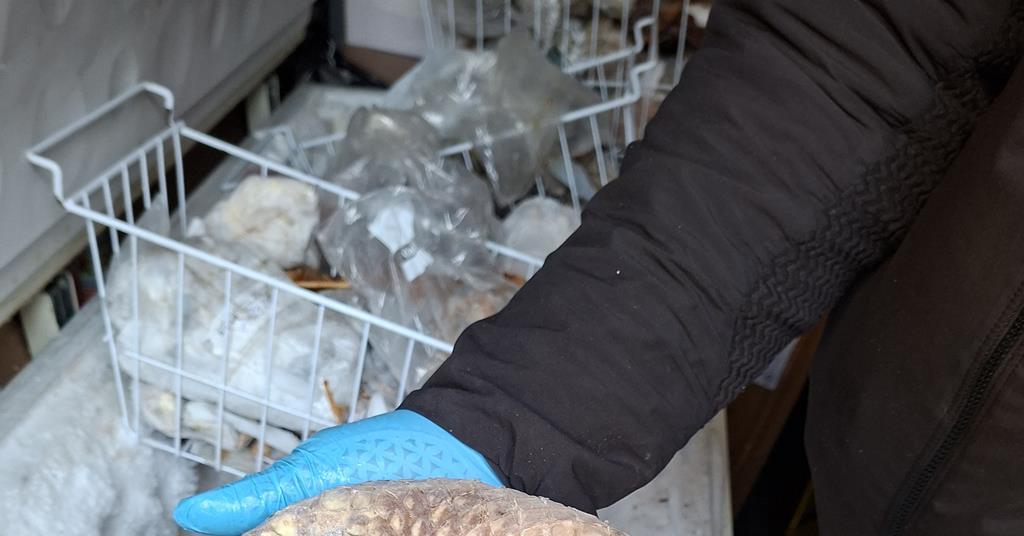
So, picture this: It’s a quiet Tuesday in London. Tea cups are clinking, the rain is doing its usual drizzle, and then—BAM—the Metropolitan Police pulls off a raid that would make Anthony Bourdain raise an eyebrow from the great kitchen in the sky. They seized 11 kilograms of illegal bushmeat. That’s not your local butcher’s Sunday roast, my friends. That’s the culinary equivalent of a crime scene.
Now, before you panic and assume there’s a rogue giraffe on the loose in Hackney, let’s clarify. Bushmeat is the term for wild game meat—think monkeys, antelopes, bats, and pangolins—hunted in parts of Africa and Asia, then smuggled into cities like London. Yes, your city’s next-door neighbor might be stashing a smoked baboon leg in their freezer, right next to the frozen peas. Bon appétit, indeed.
Why is this a thing?
You’re probably wondering: Who is smuggling 11 kilos of mystery meat into one of the world’s most policed airports? The answer is surprisingly simple: nostalgia. Many immigrants and diaspora communities crave the flavors of home—that smoky, gamey taste of porcupine stew or cane rat on a stick. But the journey from a forest in Cameroon to a flat in Brixton is illegal, and for good reason.
Must Read
See, smuggling bushmeat isn’t just about ruining your dinner plans. It’s a direct hit on conservation. The animals being targeted—like the critically endangered pangolin—are already fighting for survival. Plus, these meats aren’t inspected by anyone’s health department. You could be chewing on a bat that’s still using its last echolocation call. Delicious and dangerous.
The Raid: A Play in Three Acts
Here’s how the Met pulled off this culinary bust. Officers from the Wildlife Crime Unit—yes, that’s a real job, and no, it’s not just chasing squirrels—raided a property in east London. They found 11kg of illegally imported meat, vacuum-sealed and ready for your next dinner party. The kicker? The press release didn’t reveal what kind of animals were in the bags.
Fun fact: They just said “bushmeat.” That’s like a chef telling you “it’s chicken” but it’s actually a lizard. The lack of specifics makes your imagination run wild. Was it a chunk of baboon? A fillet of forest hog? We may never know. But I like to think there was a note attached: “Eat with caution—and perhaps a side of antivenom.”
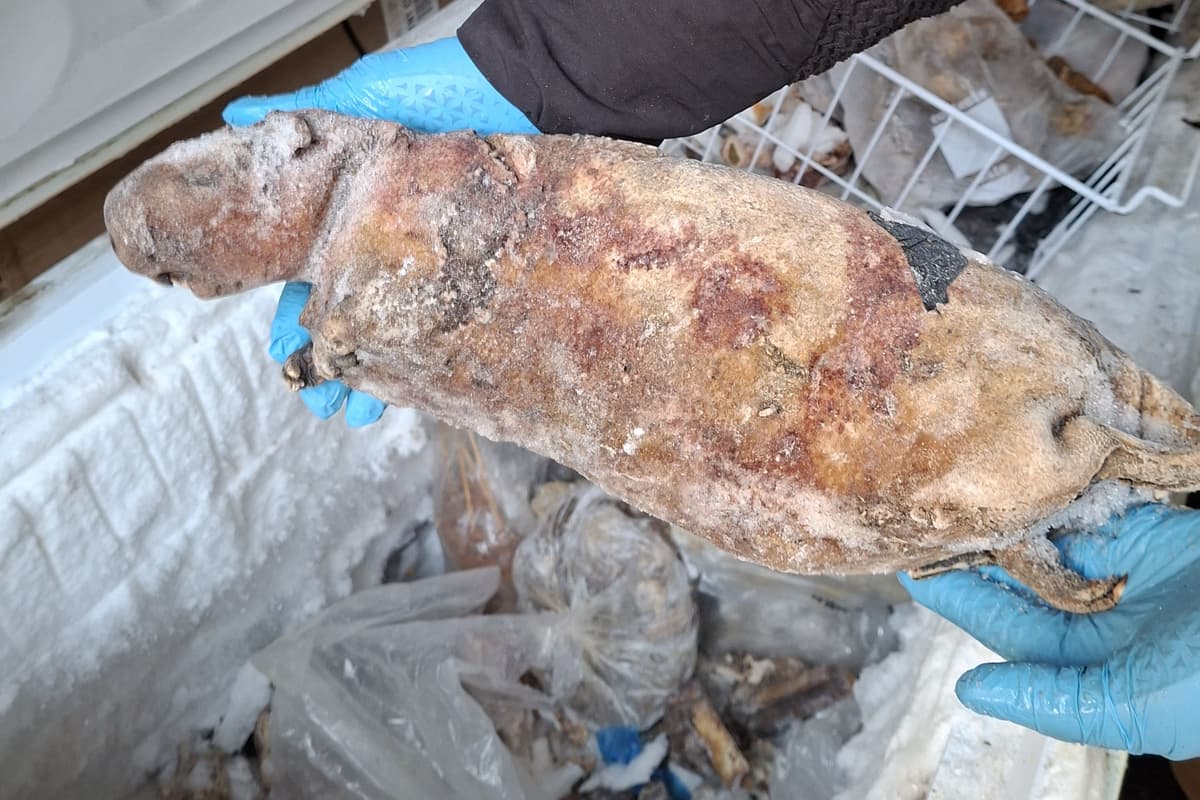 Frozen pangolin among illegal bushmeat seized in capital
And here’s the real surprise: this was part of a larger operation called Project Evenhanded. Yes, that’s the actual name. They’ve been sniffing out illegal meat shipments for years. In 2023 alone, border officials at Heathrow confiscated over 30 tonnes of it. Thirty tonnes. That’s the weight of about 5 fully grown elephants—or a very, very heavy grocery bag.
The Punchline (and the Health Risk)
Now, let’s get real for a moment, because I promised humor, but this is also a public service announcement. Illegal bushmeat can carry diseases like Ebola, anthrax, and something called “simian foamy virus,” which sounds like a cocktail you’d order at a tropical bar but is actually no laughing matter. The World Health Organization has linked bushmeat consumption to zoonotic diseases—the kind that jump from animals to humans. Remember COVID-19? Yeah, bushmeat markets were part of that conversation.
So, when the Met seizes 11kg of mystery meat, they’re not just ruining someone’s weekend barbecue. They’re potentially saving you from a hospital trip where the doctor says, “We don’t know what you ate, but we’re pretty sure it was a flying squirrel.” That’s the kind of medical mystery you don’t want to star in.
 Arrest made after UK food crime unit seizes illegal bushmeat
What happens to the meat now?
You might be wondering: does the police force host a giant BBQ with the evidence? No. Absolutely not. Once seized, the meat is incinerated. Gone. Turned to ash. Like a secret recipe that’s too dangerous to share. The only remains are the crime scene photos and a press release that makes you drastically reconsider your next takeaway order.
And if you’re thinking, “Hey, I’ve never seen bushmeat for sale,” think again. It’s often sold door-to-door or in unmarked packaging in community shops. A piece of meat that looks like smoked beef could easily be a slice of antelope or primate. Next time your kebab tastes a little… adventurous, just smile and pretend it’s lamb.
The takeaway (pun intended)
So, what’s the moral of this bizarre London tale? First, don’t smuggle wild animals into the country. Not even for grandma’s secret stew recipe. Second, if the police form a unit with a name like “Project Evenhanded,” you know they mean business. And finally, remember: 11kg of illegal bushmeat is a lot of meat, but it represents so much more—a clash of cultures, a risk to wildlife, and a reminder that the world’s food supply is wilder than any supermarket aisle.
Cheers to the Met for doing the dirty work. I’ll stick with my beans on toast, thank you very much. And for the record, I’m not joking.
