What Is The Current Tax Free Allowance

Alright, let’s talk about tax-free allowance. I know, I know—your eyes just glazed over, didn’t they? Stick with me, because this is actually the friendliest part of the tax s...

Alright, let’s talk about tax-free allowance. I know, I know—your eyes just glazed over, didn’t they? Stick with me, because this is actually the friendliest part of the tax system. It’s like the taxman’s way of saying, “Hey, keep the first chunk of your money… I’ll only bug you about the rest.”
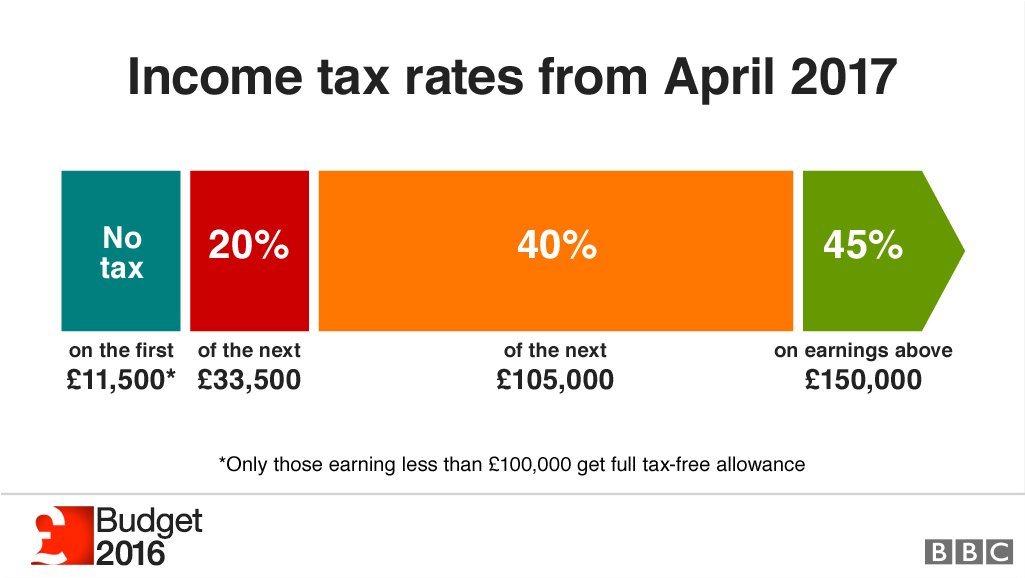
So, what exactly is this magical number? In the UK for the 2024-25 tax year, the standard Personal Allowance is £12,570. That means you can earn up to that amount before you owe a single penny of income tax. It’s like a financial “Get Out of Jail Free” card, but for your paycheck.
Think of it as a no-questions-asked zone for your cash. You work hard, you earn that first £12,570, and the taxman just waves you through with a smile. No forms, no fuss—it’s automatically factored into your tax code. It’s basically the universe saying, “You do you, buddy.”
Must Read
Wait, Does This Apply to Everyone?
Good question! Most people get this allowance automatically. It’s like a birthday present from the government—just without the cake. However, if you earn over £100,000, the party starts to wind down. For every £2 you earn above that, your Personal Allowance shrinks by £1.
So if you’re rolling in dough—say, earning £125,140 or more—your allowance drops to zero. That’s right, zilch, nada. The taxman takes back the party invite. But hey, if you’re making that much, you’re probably not sweating the small stuff. Or maybe you are. I don’t know your life.
And here’s a fun twist: this allowance only applies to income tax. National Insurance is a whole different beast, and we don’t talk about National Insurance at parties. It’s the awkward cousin who shows up uninvited.
What Counts as “Taxable Income”?
You might be thinking, “Does this include my side hustle selling handmade candles? What about my lottery win of £4.50?” Let’s break it down. Your Personal Allowance covers things like your salary, wages, tips, and most pensions. Yes, even that little job you did for your neighbour’s cat-sitting.
But here’s the kicker: some income is completely ignored. Interest from savings? Up to a certain amount, it’s tax-free—thanks to the Personal Savings Allowance. Dividends from investments? Same deal, with a separate allowance of £500 for this year. It’s like a tax-free buffet, but you can only take a few plates.
Oh, and let’s not forget the trading allowance. If you sell old clothes on Vinted or earn a bit from freelancing, you can make up to £1,000 tax-free. That’s enough for a few tacos and a good cry about how expensive life is.
 What’s New with the Tax-Free Allowance for 2024? - Pro - Taxman
What If You’re Married or in a Civil Partnership?
Here’s where it gets sweet. If you’re married or in a civil partnership, you might be able to transfer a bit of your allowance to your partner. It’s called the Marriage Allowance, and it lets you shift up to £1,260 of your Personal Allowance to your spouse. The catch? One of you must earn less than the allowance, and the other must be a basic-rate taxpayer.
I know, it sounds like a rom-com plot: “She gives him her tax allowance, and they live happily ever after.” But in reality, it saves you about £252 a year. That’s not a romantic dinner for two, but it’ll cover a nice takeaway and a bottle of wine. Cheers to love and tax breaks!
Just remember: you have to opt in for this. You can’t just assume the taxman knows you’re in love. Government technology is impressive, but not that impressive.
But Wait—What About Scotland and Wales?
Ah, you caught me! If you live in Scotland, your income tax works a bit differently. They have their own Scottish rates and bands, but the Personal Allowance is still £12,570. It’s like everyone uses the same starting line, but the race after that has a few extra hills. Check your tax code—it might say “S” for Scotland.
Wales? They follow the UK rules, so no extra drama. Northern Ireland? Same as England. So unless you’re planning to move to the highlands for the scenery, you’re probably fine.
How Do You Know You’re Using It Correctly?
Easy: check your tax code. It’s that lovely string of letters and numbers on your payslip. A common code like 1257L means you’re getting the full £12,570 allowance. If you see something like “K” or “BR,” your employer might be messing with your allowance, or you’ve got other income that eats into it.
If you’re self-employed, you’ll handle this through a Self Assessment tax return. It’s a bit like doing an online quiz, but with more anxiety and less confetti at the end. But don’t worry—most people nail it. And if you mess up? The taxman sends you a letter, and you fix it. No jail time for honest mistakes.
 What Is A Tax Free Personal Allowance at Lawrence Melson blog
Oh, and one more thing: the allowance is reset every April 6th. It’s like New Year’s Eve for your finances. On April 5th, any unused allowance says “bye-bye.” So don’t be shy—use it or lose it, baby!
Any Exceptions I Should Know About?
Yes! If you’re a blind person, you get an extra allowance called the Blind Person’s Allowance—currently £3,070 on top of the £12,570. That’s for people registered as blind or severely sight-impaired. It’s a small but meaningful boost.
Also, if you’re under 16 or over 65, your allowance doesn’t change. The age-based allowances were scrapped a few years ago. So no, granny doesn’t get a special deal just because she’s been paying taxes since the days of quill pens. We’re all in the same boat now—a boat with £12,570 of tax-free life rafts.
And if you’re a non-UK resident, you might not even qualify for the Personal Allowance. But that’s a whole other article, probably involving forms and a headache. Let’s not go there.
The Bottom Line
So there you have it: the current tax-free allowance is £12,570. It’s your financial safety net, your “keep the change” moment from the government. Use it, love it, and don’t forget to check your tax code like a responsible adult.
And hey, if all this still feels confusing, don’t stress. The tax system is designed by humans, which means it’s full of weird rules and loopholes. Just do your best, keep your receipts, and remember: the taxman can’t take what you haven’t earned. (Unless it’s National Insurance—but we’re not talking about that, remember?)
Now go forth and earn that £12,570 with a smile! You’ve got a whole year of tax-free fun ahead. And if the taxman ever comes knocking? Just point to this article and say, “I’m with the allowance.” I’ll back you up—probably. 😉
