When Is Grass Pollen Season Uk

Let’s be honest—there’s a specific moment in spring when that gentle breeze doesn’t feel so gentle anymore. You’re enjoying a sunny afternoon, perhaps with an iced coffee in h...

Let’s be honest—there’s a specific moment in spring when that gentle breeze doesn’t feel so gentle anymore. You’re enjoying a sunny afternoon, perhaps with an iced coffee in hand, and then it hits: the tickle, the sneeze, the inexplicable fog in your head. Welcome to the UK grass pollen season, a time when the outdoors becomes a bit of a love-hate relationship.
The official timeline isn’t as simple as “hay fever starts here.” In the UK, grass pollen season typically kicks off in late May and stretches all the way through to July, with a particularly intense peak in June. But here’s the twist: because of our famously unpredictable weather, a warm snap in April can coax early grasses into action, while a wet July can extend the misery well into August. So, if you’ve felt that familiar scratchy throat on a sunny Easter weekend, you’re not imagining things—you might be an early-season casualty.
The Grass That Gets You
Not all grass is created equal when it comes to allergy warfare. In the UK, the main culprit is Timothy grass, along with rye and meadow grasses, which release billions of tiny, lightweight pollen grains into the air. These little particles are designed to travel far and wide, often hitching a ride on low-level winds straight into your nostrils. Fun fact: a single grass flower can produce up to 10 million pollen grains—that’s enough to make even the most stoic Brit reach for the antihistamines.
What makes grass pollen especially sneaky is its diurnal rhythm. The count is usually highest in the early morning (around sunrise) and again in the early evening, when the air cools down and the pollen settles closer to the ground. So, if you’re planning a 7 AM jog through a meadow, maybe reconsider. Or at least keep your mouth closed.
How to Survive (and Even Enjoy) the Season
Let’s get practical, because no one wants to spend June hiding indoors. First up: check the daily pollen forecast like you check the weather. The Met Office and many weather apps now give a “pollen risk” rating, so you can plan your outdoor adventures for low-risk days. Tip: avoid grass cutting days in your local park—mowers turn lawns into pollen bombs.
Next, embrace the post-outdoor shower. When you come back from a walk, change your clothes and wash your hair. Pollen clings to fabric and hair like glitter at a party, and you don’t want it transferring to your pillow. Speaking of pillows, consider keeping your bedroom windows shut during peak pollen hours. I know, I know—fresh air is lovely. But so is sleeping without waking up at 3 AM with a blocked nose.
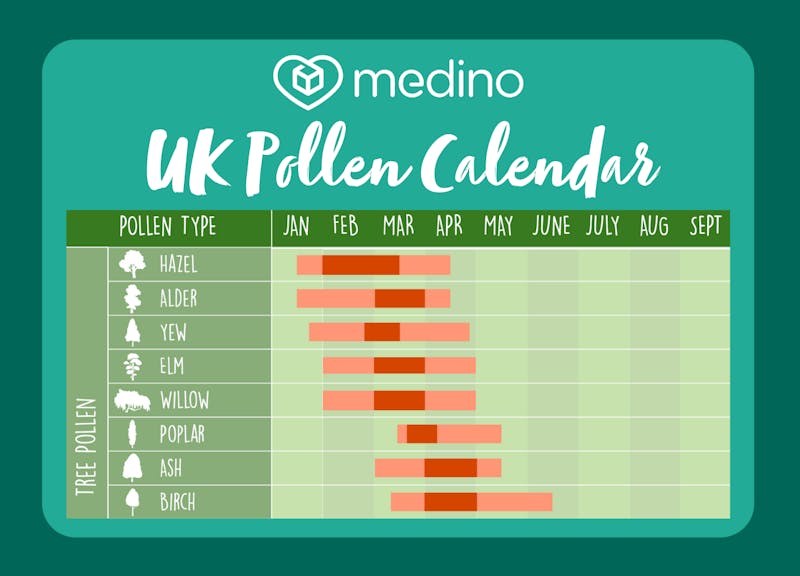 UK pollen calendar for hayfever | medino
The Cultural Side of Sneeze Season
There’s a distinctly British gallows humour to arising pollen season. We’ll chuckle about it over tea, but the reality is that hay fever affects about one in five people in the UK. It’s so common that there’s even a name for that specific Saturday in June when everyone seems to be sneezing at the cricket or the local fete. And let’s not forget the cultural cornerstone of the Wimbledon experiment—watching tennis with one eye on the match and the other on the gluten-free, dairy-optional, pollen-fighting lifestyle tips in the papers.
A little trivia: the phrase “hay fever” is actually a misnomer. It’s not caused by hay, nor does it typically cause a fever. The term was coined in the 19th century by British physician John Bostock, who thought the fumes from mown hay were the culprit. We know better now, but the name stuck—much like pollen on a woollen jumper.
Practical Hacks You Haven’t Tried
If over-the-counter sprays aren’t cutting it, consider local honey. While scientific evidence is mixed, many swear by eating a spoonful of honey from local beekeepers, as it contains trace amounts of local pollen. Think of it as a tasty, sticky immunotherapy. Also, invest in a pair of wraparound sunglasses. They look cool and act as a physical barrier, blocking pollen from getting into your eyes. Bonus: you’ll look like a celebrity on holiday.
 UK Pollen Count Calendar | Hay Fever | Holland & Barrett
Another hack? Nasal rinses. Using a saline spray or a neti pot can flush out pollen from your nasal passages before it triggers a full-blown reaction. It sounds a bit extreme, but it’s a game-changer for serious sufferers. And if you’re out in the garden, choose the right plants. Shrubs like hydrangeas and roses are low-pollen, while grasses, trees, and weeds are the enemies. Turn your garden into a pollen-free sanctuary.
Finally, remember that the season is finite. The grass pollen peak usually fades by mid-July, giving way to the milder weed and mould spore seasons. That first August morning when you can breathe freely again? It feels like a victory. A quiet, snot-free triumph.
A Little Reflection for Daily Life
In the grand scheme, grass pollen season is a gentle reminder that we’re part of a living, breathing ecosystem—even if it does make our eyes water. It forces us to slow down, to pay attention to the simple act of breathing, and to appreciate the small comforts: a cool breeze, a properly fitted window screen, a friend who hands you a tissue without judgment. So this season, be kind to your sinuses, be strategic with your schedule, and don’t forget to laugh at the absurdity of it all. After all, it’s only pollen. And it, too, shall pass—hopefully in time for a proper pub garden evening.
