Where Did Christmas Crackers Originate From

So, you’ve pulled a Christmas cracker, right? You gave it a good yank, it went POP, and a flimsy paper crown flew into your drink. Inside, you found a terrible joke and a plas...
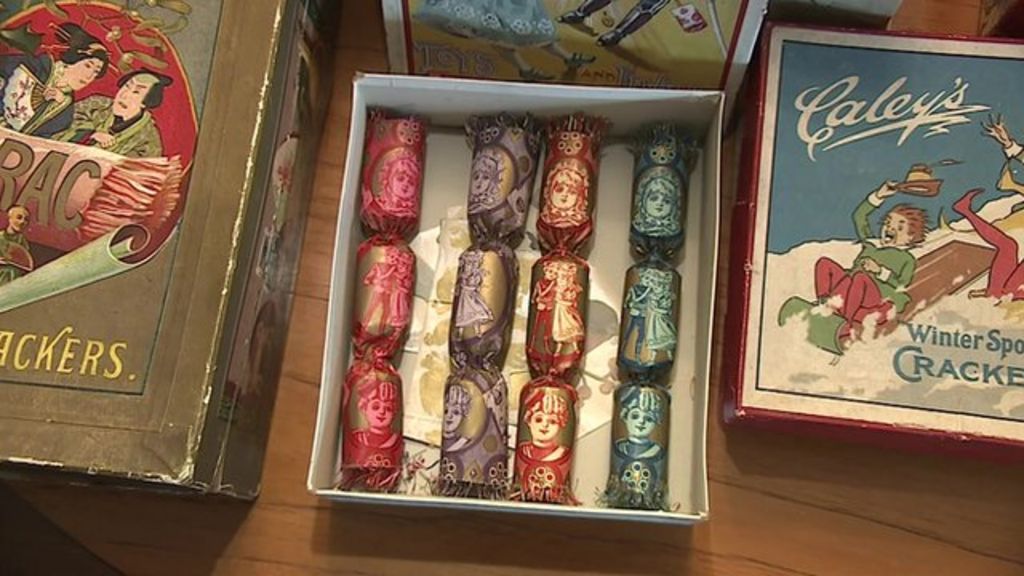
So, you’ve pulled a Christmas cracker, right? You gave it a good yank, it went POP, and a flimsy paper crown flew into your drink. Inside, you found a terrible joke and a plastic keychain you’ll never use. But have you ever stopped, mid-pull, and wondered where on earth this bizarre tradition came from?
Grab a mince pie and get comfy. The story is way more whimsical than you’d think. It involves a sweet tooth, a bit of Victorian marketing genius, and a whole lot of snap.
It All Started with a Sweet Treat
Our story begins in London, around 1847. The man of the hour was Tom Smith, a baker and confectioner. He was doing quite well selling wedding cakes and bonbons (fancy sugar almonds).
Must Read
But Tom was a dreamer. He was always looking for the next big thing to sell. One day, while on a trip to Paris, he spotted something magical—almonds wrapped in a twist of tissue paper. They were called bonbons de sucre.
Tom thought, “Hey, I could do that back in England!” So he started selling his own wrapped sweets. But sales were meh. People liked them, but they weren’t going wild.
Tom Tries Everything (Including a Love Note)
Tom needed a gimmick. First, he stuffed a tiny love motto inside each wrapper. People were like, “Cute, but still just a sweet.” He needed more theatre, more drama.
Legend has it that Tom was sitting by his fireplace, staring into the logs. A log crackled and snapped loudly. And BAM—the lightbulb went off! “What if my sweets went SNAP when you opened them?”
He rushed to his workshop and experimented with chemicals. He mixed a little silver fulminate (don’t try this at home!) into two ribbons that would create a small friction pop. The Christmas cracker was officially conceived!
The Early Cracker: A Very Rough Draft
Tom’s first crackers were called “Cosaques”. Why? Because they sounded like the cracking whips of Cossack horsemen. Cool name, but the product was a bit of a disaster.
The snaps were too powerful. They would occasionally set fire to the paper or scare people half to death. Plus, the “bang” sometimes made the whole thing fly apart, scattering candy everywhere.
 Country Ways and Cottage Days: Christmas Countdown, Traditions and
Tom’s kids—Walter, Henry, and Tom Jr.—helped him tweak the design. They made the paper sturdier, perfected the snap, and added a gift inside. No more loose candy; now you got a surprise.
The Hat, the Joke, and the Magic
Here’s the best part. The paper crown was inspired by the Three Wise Men? Nope! It was a total accident. Tom’s wife, Mary, started folding the paper into a simple hat to keep the snap steady. People loved wearing them, so they made it permanent.
The terrible jokes? Those came from the mottoes. Tom’s original love notes evolved into riddles, puns, and groan-worthy one-liners. They were so bad, they were good. A tradition was born.
By the 1860s, Tom Smith’s crackers were the hottest thing at Victorian Christmas parties. Even Queen Victoria herself was a fan. You know you’ve made it when the Queen gives your product the royal thumbs-up.
The Great Cracker Rivalry
Tom Smith died in 1869, but his sons kept the business booming. However, they weren’t the only game in town. A rival company, Brock’s Fireworks, decided to get in on the action.
Brock’s made crackers that were bigger, louder, and more elaborate. They filled them with actual toys instead of cheap trinkets. It was a full-on Cracker Wars situation.
Tom Smith’s company fought back by focusing on quality and design. They even created “motto crackers” that unfolded into little stories. The rivalry pushed both companies to invent new, sillier surprises. We win because of their squabble.
A Surprising Twist: The Cracked Cracker
Did you know that the original Tom Smith brand is still around? Yep, it’s now owned by a company called Merrymaid. But get this: during World War II, cracker production almost stopped.
 The custom and origins of Christmas crackers - A Bit About Britain
The government banned the use of cardboard for packaging. So crackers were made from scrap paper and used tiny, non-metal toys. And the jokes? They became a little darker, full of wartime humor and hope.
After the war, the cracker bounced back stronger than ever. It became a symbol of British resilience and festive cheer. Even the terrible jokes were a comfort—some things never change.
Why We Still Pull Them Today
Let’s be honest: Most modern crackers are garbage. The toy is a broken plastic fish, the joke makes you sigh, and the hat rips after you sneeze. So why do we love them?
Because the experience is pure joy. The moment of tension, the POP, and the shared laughter (or cringe) at the pun is magic. It’s a tiny, explosive act of togetherness.
Plus, wearing a flimsy crown while eating turkey? That’s peak holiday energy. It’s silly, it’s disposable, and it’s ours.
The Final Snip-Snap
So next time you pull a cracker, give a little thanks to Tom Smith—the baker who wanted a louder bonbon. He turned a simple sugar almond into a global tradition that makes families go BANG every December.
And if you get a joke about a snowman who has no collar? Smile, because you are part of a 170-year-old story. A story that started with a log, a spark, and a dreamer who just wanted to make people laugh.
Here’s to the terrible puns, the wonky crowns, and the tiny, plastic fish you’ll lose by New Year’s. Merry Christmas, you magnificent, cracker-pulling champion. Pop! Goes the holiday.
