Best Time To View Northern Lights

Let’s be honest: seeing the Northern Lights is basically a rite of passage for anyone who loves adventure. It’s that magical, swirling curtain of green, purple, and pink that...
Let’s be honest: seeing the Northern Lights is basically a rite of passage for anyone who loves adventure. It’s that magical, swirling curtain of green, purple, and pink that makes you feel like you’ve stepped into a fairy tale. And the best part? You don’t need to be a scientist or a survivalist to catch them—you just need to know when to look up.
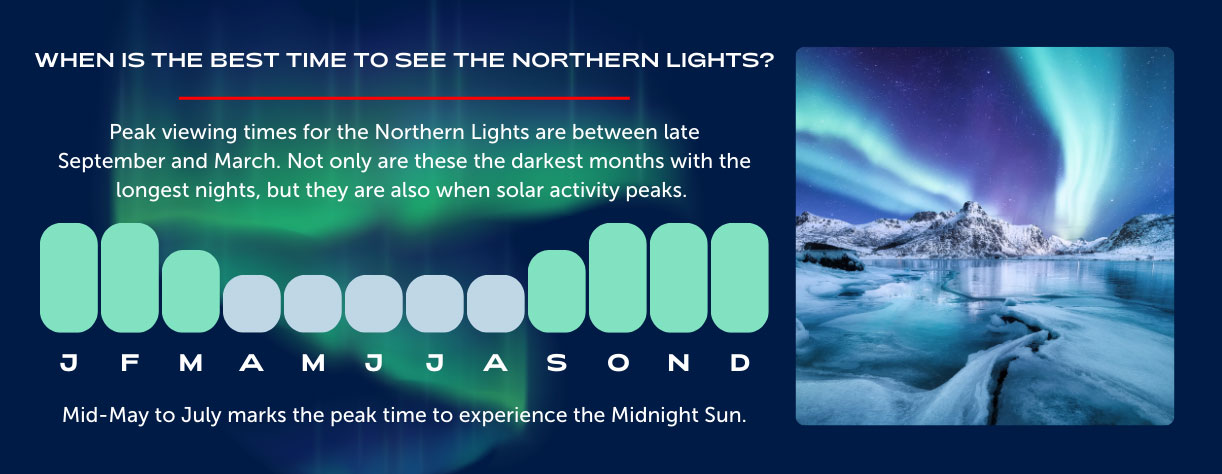
First things first: the absolute best time of year is from late September to late March. That’s when the nights are longest and darkest, giving the aurora a perfect black canvas to dance on. Think of it as nature’s version of a drive-in movie—but the screen is the entire sky.
Now, within that window, you want to aim for the equinoxes—around September and March. Why? Solar activity tends to spike during these periods because of how Earth’s magnetic field aligns with the sun. Coincidence? I think not. It’s like the universe schedules a light show just for us.
Must Read
Time of Night: The Magic Hours
You can’t just step outside at 3 PM and expect a curtain of green. The prime viewing time is usually between 10 p.m. and 2 a.m. local time. That’s when the aurora oval—that ring of light around the magnetic pole—swings closest to you.
But here’s the secret the pros use: the aurora often appears in two peaks—one around 10 p.m. and another around midnight. If you see a lull, don’t give up. Grab a thermos of hot chocolate and wait. The show isn’t over until the sky says so.
Darkness is Your Best Friend
Light pollution is the enemy of aurora chasers. You need pitch black skies. That means getting away from city lights—find a spot where you can see the Milky Way with your naked eye. Even a full moon can wash out faint auroras, so check the lunar calendar.
Pro tip: download a moon phase app. A new moon (when the moon is invisible) gives you the darkest skies. Combine that with a clear night and no clouds, and you’ve hit the viewing jackpot. Trust me, your photos will thank you.
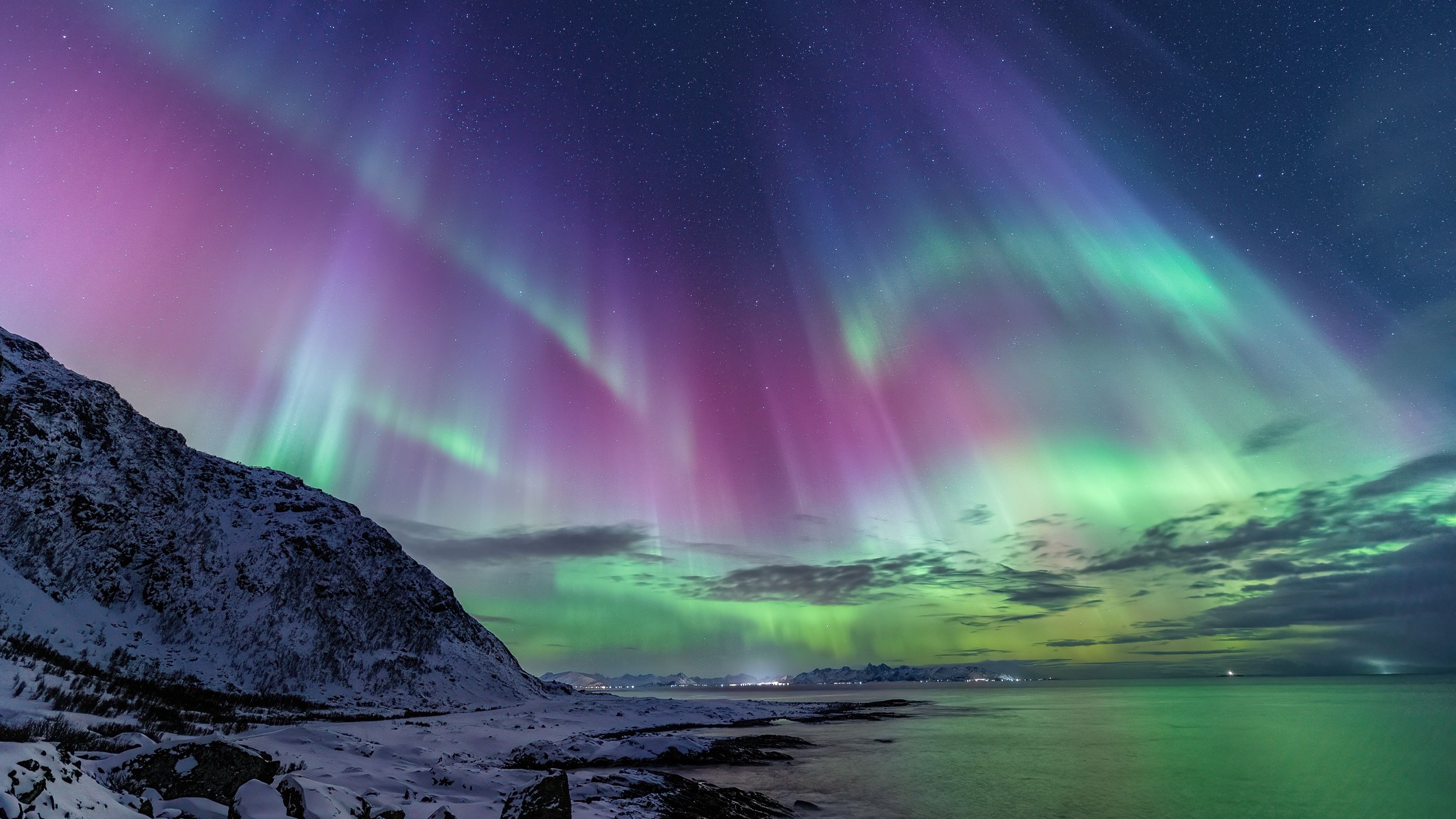 Exploring the Northern Lights: Understanding the Aurora Borealis and
Geographic Sweet Spots
You’ve got to be in the right neighborhood. The aurora zone hovers around 60 to 70 degrees north latitude. That includes places like northern Norway, Sweden, Finland, Canada, Alaska, and Iceland. But you don’t have to go that far—sometimes a dark sky in Michigan or Scotland will treat you.
The key is solar activity. The sun goes through an 11-year cycle, and we’re heading toward the solar maximum in 2025. That’s right—the next couple of years are prime time! The aurora will be more frequent and intense than usual.
Weather: The Wildcard
You can have the perfect time of year, the perfect hour, and the perfect latitude—but if clouds show up, you’re out of luck. Check the forecast for cloud cover. A clear sky is non-negotiable. In places like Norway, locals say “the aurora is always there—you just need the clouds to move.”
So be patient. Sometimes a five-minute wait clears the sky. Other times, you pack up and try again tomorrow. That’s part of the fun—it’s a treasure hunt in the sky.
 Best Time to See the Northern Lights (In 2026)
And don’t forget to dress warm. Standing still at 2 a.m. in -20°C is no joke. Layers, thermal socks, and hand warmers are your survival gear. A cold nose is a small price to pay for a life-changing memory.
Finally, plan for multiple nights. The aurora is fickle. Even experts get skunked three nights in a row. But that fourth night? When it finally rips across the sky? That’s the night you’ll tell your grandkids about.
So here’s the uplifting truth: the Northern Lights aren’t just for the ultra-wealthy or the ultra-lucky. They’re for anyone with a little patience, a warm coat, and a sense of wonder. You don’t need to be an astronomer or a photographer—you just need to show up at the right time, in the right place, with your eyes wide open.
Go ahead, mark your calendar for next September or March. Start dreaming about those long, dark nights. Because the universe is out there, waiting to paint a masterpiece, and it’s calling your name. Ready to look up?
