Can Crushed Tomatoes Be Substituted For Tomato Sauce

Let’s get real for a second: you’re halfway through a recipe for weeknight chili or classic pasta alla vodka, and you realize the only red thing in your pantry is a can of cru...
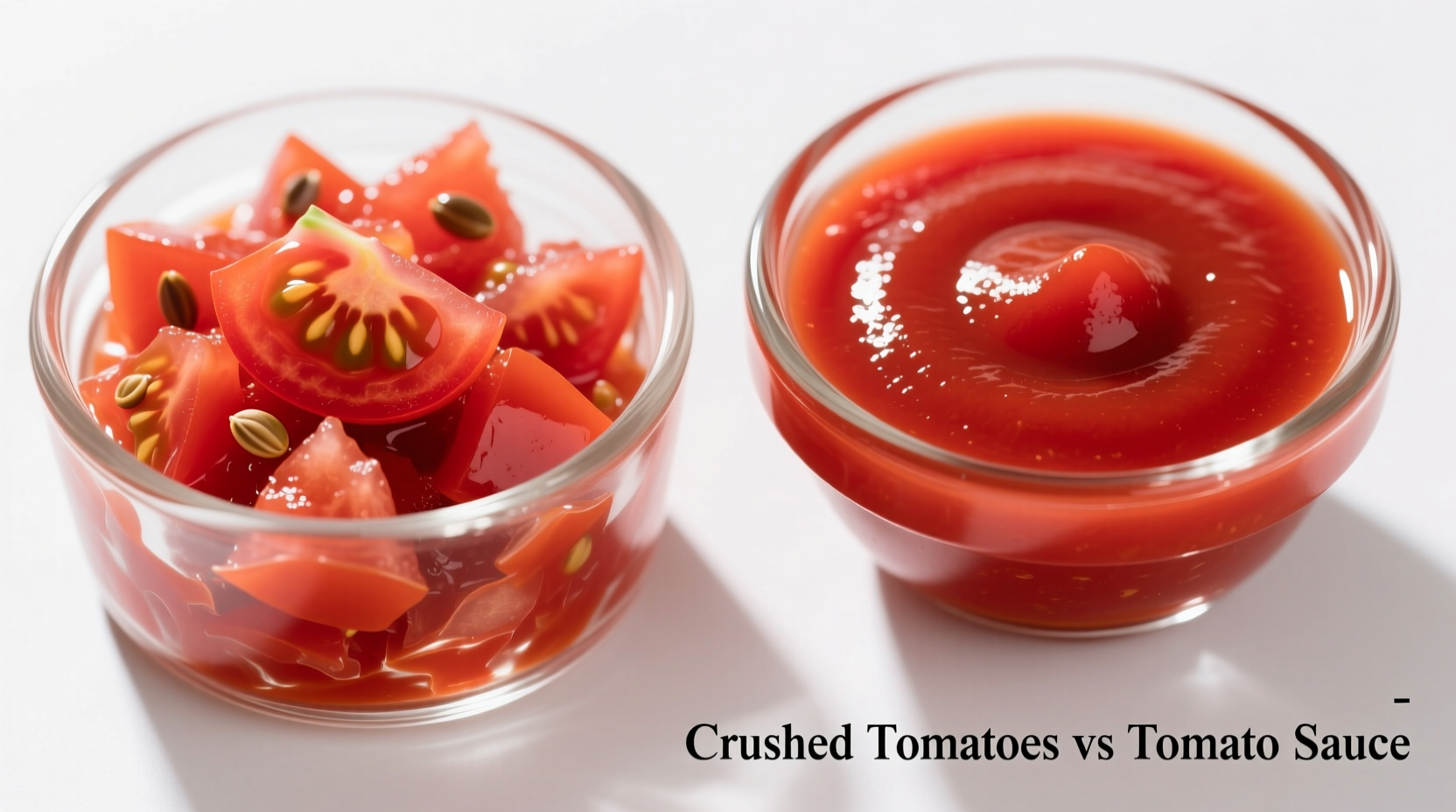
Let’s get real for a second: you’re halfway through a recipe for weeknight chili or classic pasta alla vodka, and you realize the only red thing in your pantry is a can of crushed tomatoes. Panic flickers. You check the internet, squint at the label, and wonder: can crushed tomatoes really stand in for tomato sauce? The short answer is a confident, kitchen-savvy yes. The longer answer involves texture, acidity, and a tiny bit of strategy that will make you feel like a culinary genius.
The Great Tomato Identity Crisis
Think of crushed tomatoes as the friendly, slightly chunky middle sibling in the tomato family. They sit between whole peeled tomatoes (the minimalist) and tomato sauce (the smooth operator). Crushed tomatoes are uncooked and usually packed in their own juice, with a rustic texture that includes small bits of pulp and seeds. Tomato sauce, on the other hand, is cooked down and blended into a silky puree, often with added seasonings like onion powder or garlic.
This difference matters. Because crushed tomatoes haven’t been simmered for hours, you might need to adjust your recipe slightly. But here’s the fun part: that chunky texture can actually add depth to dishes we usually treat as smooth, like a simple marinara or a pizza base. Your Sunday gravy might just get a standing ovation.
Must Read
The Substitution Playbook: Four Simple Rules
Rule one: Use a 1:1 ratio. If your recipe calls for one 15-ounce can of tomato sauce, grab the same size can of crushed tomatoes. Don’t overthink it. Rule two: Account for the chunk factor. If you need a silky-smooth sauce for a delicate lasagna, simply blitz the crushed tomatoes in a blender or food processor for fifteen seconds. Done.
Rule three: Adjust the seasonings. Since crushed tomatoes are usually unseasoned, you’ll need to add your own salt, dried oregano, or a pinch of sugar to balance acidity. Taste as you go—this is your moment to own the flavor. Rule four: Extend the cooking time. Crushed tomatoes benefit from an extra 10 to 15 minutes of simmering to meld their raw edge into a sweet, concentrated base. Patience is your secret weapon here.
When to Say Yes (and When to Say No)
The gospel truth: crushed tomatoes are excellent for hearty sauces, chilis, stews, and any dish that welcomes a rustic texture. Think of a slow-simmered Bolognese, a smoky chipotle taco filling, or a shakshuka where the eggs nestle into those little tomato bits. The texture becomes a feature, not a flaw. Even your go-to penne arrabbiata will take on a charmingly bold, homemade vibe.
But there are limits. Avoid full-on substitutions in recipes that require a very specific, smooth consistency, like a coulis for a fine-dining plate or a clear tomato soup meant to be velvet-smooth. If the recipe demands a thin, pourable sauce without a trace of seed, you’re better off blending or simply using passata (tomato puree). That said, most home cooks will hardly notice the difference after a quick whirl in the blender.
A Little Culture and Science
Did you know that crushed tomatoes are deeply Italian in spirit? Italian nonnas often crush whole San Marzano tomatoes by hand straight into the pot, embracing the irregular texture as a mark of authenticity. It’s a small rebellion against uniformity. Musician Tommy DiDario once joked that using crushed tomatoes instead of sauce is like “wearing sneakers with a suit—unexpected, but strangely cool.” I agree.
Here’s a fun fact: the acidity level in crushed tomatoes is slightly higher than in pre-made sauce because they haven’t been cooked with neutralizers like sugar or baking soda. This is great for brightening a heavy dish, but watch for bitterness—add a tiny pinch of cinnamon or a pat of butter to soften the edge. Instant upgrade.
Another unexpected hero? Texture makes you eat slower. Studies show that chunky sauces can increase perception of satiety because your brain has to work a little harder. So swapping crushed tomatoes might actually help you feel full on less. Take that, diet culture.
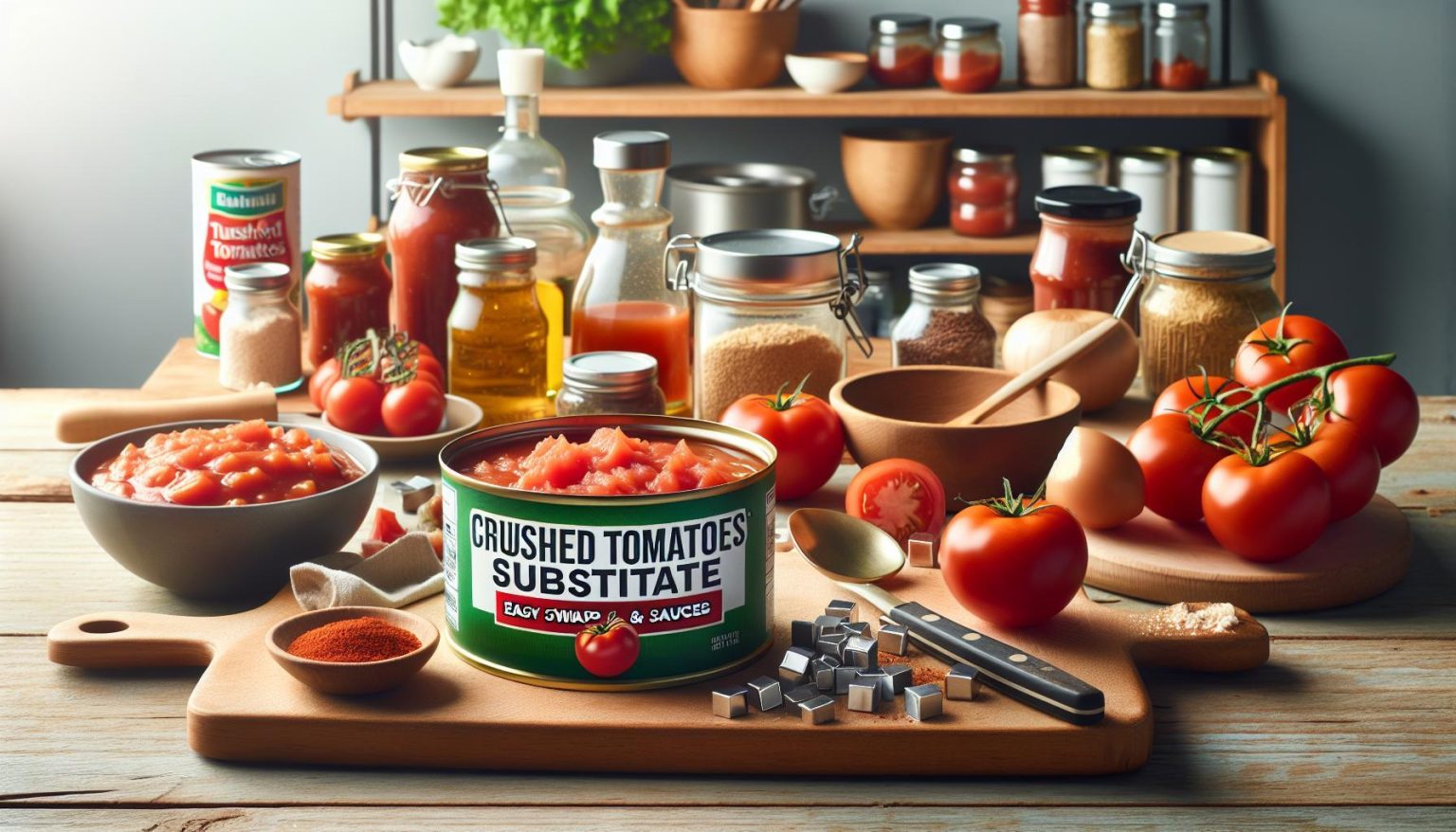 Crushed Tomatoes Substitute: Easy Swaps For Soups And Sauces
Practical Tips for the Real World
When you’re at the grocery store, look for cans labeled “with no added salt” or “organic crushed tomatoes.” Brands like Muir Glen or Cento are consistent. If you find crushed tomatoes that are too watery, just drain a few tablespoons of the liquid before adding them to your pan. Alternatively, let them reduce uncovered for five minutes.
For a quick weeknight win: use crushed tomatoes to make a 15-minute tomato sauce for pasta. Sauté garlic in olive oil, add the crushed tomatoes, a splash of red wine vinegar, and a handful of fresh basil. Simmer ten minutes. No blender, no fuss. Your family will think you spent an hour on it. And here’s the secret—they’ll never guess the swap.
One more pro tip: freeze leftover crushed tomatoes in an ice cube tray. Each cube is about two tablespoons. Pop them into soups or curries for instant umami. You’re welcome.
A Note on Regional Differences
If you’re cooking a Mexican-inspired dish like enchilada sauce or a mole, crushed tomatoes are often preferable to smooth sauce. Their texture holds up better against toasted chiles and spices. In Japanese home cooking, crushed tomatoes don’t appear much, but you can adapt them for omurice or curry by blending first. The world is your tomato.
Even celebrity chefs like Ina Garten and Samin Nosrat advocate for flexibility. Samin once said, “Cooking is about feeling your way through the ingredients.” If you trust your palate over the can’s label, you’re already winning.
Connecting It All to Daily Life
So here’s the reflection: substituting crushed tomatoes for sauce is a small act of creative confidence. It’s the kitchen version of wearing a mismatched pair of earrings because they make you smile. You don’t need the perfect ingredient every single time. Sometimes you need to work with what you have and trust that the outcome will be just as delicious, if not more interesting.
Life, like tomato sauce, often gets too smooth and predictable. A little chunkiness—a seed here, a bit of pulp there—reminds us that imperfection is texture, not failure. Next time you reach for that can of crushed tomatoes and feel a flicker of doubt, just remember: you’re not substituting. You’re improvising. And that’s the kind of cooking that turns a recipe into a memory. So go ahead, crush it.
