Can Dogs Get The Flu Virus

So, picture this: you’re sprawled on the couch, a human flu-bot, wrapped in a blanket burrito, sneezing like a broken lawn sprinkler. Your loyal dog, Sir Waggington III, trots...
So, picture this: you’re sprawled on the couch, a human flu-bot, wrapped in a blanket burrito, sneezing like a broken lawn sprinkler. Your loyal dog, Sir Waggington III, trots over, licks your face, and gives you that soulful look. Your fever-addled brain whispers: “Did I just give my dog the plague?” Well, let’s stop the panic before you start building a mini-quarantine cone for Fido.
The short answer is: Yes, dogs can get the flu. But—and this is a giant but—it’s not the same flu you’re currently moaning about. That’s like saying a taco and a pizza are both “round foods.” Related, sure, but not at all interchangeable.
The Canine Cold: A Different Beast
Your dog can’t catch the human flu virus. It’s a species-specific jerk. The virus that makes you smell like a day-old gym sock is called influenza A or B (human varieties). Dog flu is called Canine Influenza Virus (CIV), and it comes in two main flavors: H3N8 and H3N2. Think of them as the Flu Cousins you never invited to Thanksgiving.
Must Read
These doggy flus are highly contagious between pups, but they don’t hop to humans. So you won’t wake up barking. Your dog won’t start filing tax returns. We’re safe from that particular horror. The real risk is you giving your dog a cold from something like Bordetella (kennel cough), but that’s a whole different sneeze-fest.
How Does Your Dog Become a Flu Hero?
Dogs catch CIV the same way you catch yours: aerosolized droplets of epic sneeze. If your dog sniffs butts at a dog park where another dog is hacking up a lung, boom—they’ve just signed up for the sniffle Olympics. The virus can also live on surfaces like bowls, leashes, or that toy you threw one time too many.
The incubation period is about 2 to 4 days. So your dog might act perfectly normal, then suddenly turn into a sniffling, lethargic potato. It’s not a dramatic Hollywood illness—more like a low-budget indie film about a really tired lab.
Spotting the Sniffles (Without a Medical Degree)
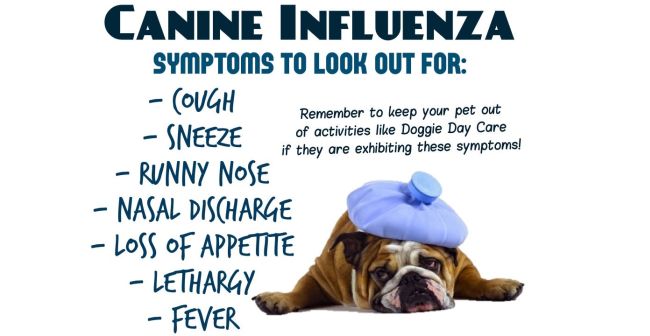
So, how do you know if your dog has the flu? Look for these gloriously gross signs: A persistent, wet cough that sounds like a honking goose. A runny nose that rivals a leaky faucet. Lethargy so deep they might as well be a rug. And sometimes a fever—though they can’t tell you in words, their internal thermometer will be doing the cha-cha.
Here’s the twist: most dogs recover in 2 to 3 weeks without any drama. Imagine if humans could shake the flu in two weeks while still demanding belly rubs. Unfair, right? But a small percentage (like 10%) develop secondary pneumonia, which is serious. If your dog stops eating entirely or wheezes like a rusty accordion, that’s a vet visit, not a YouTube video binge.
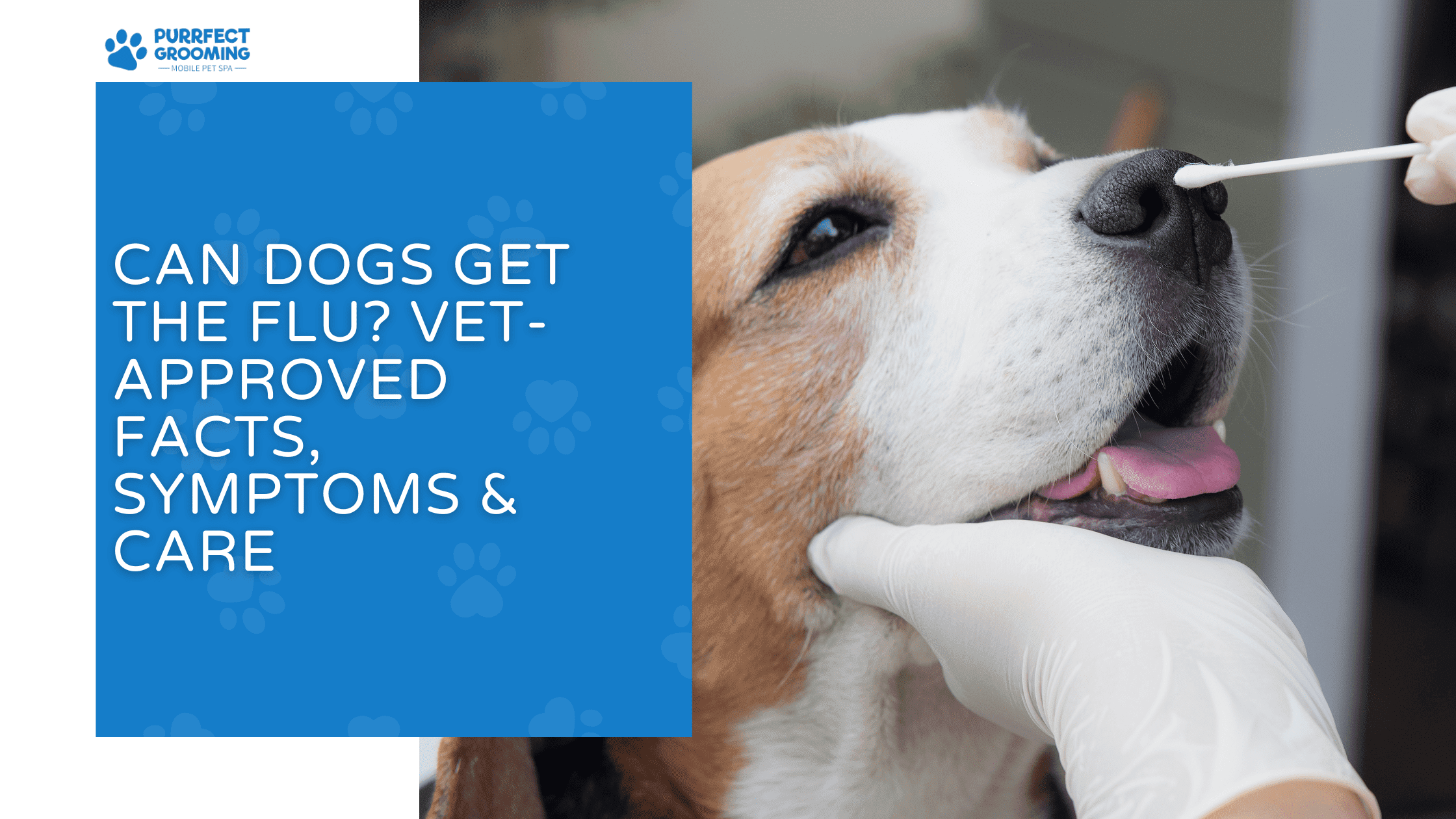 Can Dogs Get the Flu? Vet-Approved Facts, Symptoms & Care
The Surprising Fact: No Flu Shot for Fluffy (Wait, Actually Yes)
Believe it or not, there is a dog flu vaccine. It’s not standard, like rabies shots, but vets recommend it if your dog is a social butterfly—hitting doggy daycare, boarding kennels, or the local fire hydrant hot spot. The vaccine covers both H3N8 and H3N2 strains. Yes, your dog can have a flu shot, and they won’t even whine about the cost of healthcare.
But here’s the hilarious rub: the vaccine doesn’t prevent infection. It just makes the symptoms less miserable. So your dog might still get the flu, but instead of sounding like a dying foghorn, they’ll just whimper a little. Think of it as upgrading from a Category 5 hurricane to a mild drizzle.
And no, you can’t get your dog the human flu vaccine. Don’t try. Your vet will laugh. Then charge you for the lecture.
What to Do If Your Dog Is a Flu Victim
First, don’t panic. Second, isolate them from other dogs for at least 4 weeks. Yes, four weeks. That’s a long time to tell your pug they can’t sniff the mailman. But it’s necessary because dogs shed the virus for up to 24 days after symptoms vanish. They’re basically a fuzzy bioweapon.
Third, keep them hydrated and comfortable. Warm, low-sodium chicken broth (no onions or garlic, you mortals) works wonders. A humidifier nearby can help their little lungs. And give them extra naps. They’re not being lazy; they’re fighting an invisible enemy. Channel your inner nurse and pet them aggressively.
 Can Dogs Get the Flu? 2025 Symptoms, Treatment & Prevention - Petfel
The Most Entertaining Myth: “I Kissed My Dog and Now I’m Sick”
People love to say, “My dog sneezed in my mouth and now I have the flu!” Nope. That’s a great story for parties, but scientifically, it’s bunk. The canine virus can’t replicate in your cells. You might get a sensory disgust, but you won’t get a fever. However, you can give your dog a mild human cold virus (like a rhinovirus) through close contact. So if you’re sneezing, maybe skip the face-licking session. For everyone’s dignity.
Fun fact: cats can catch the dog flu too. Yes, your cat and dog can share the misery. Imagine your cat coughing at your dog while your dog refuses to share the bed. It’s a chaotic drama in which everyone loses.
The Bottom Line (Or Tail Wags)
So, can dogs get the flu? Yes, but it’s Canine Flu, not Your Flu. They can’t give it to you, and you can’t give it to them. But they can give it to every dog at the park who owes them a treat. It’s a weird, species-specific club, and the dress code is mucus.
Keep an eye on your dog’s cough, get them vaccinated if they’re social, and for the love of all that is holy, don’t share your cold medicine with them. Dogs and Tylenol are a bad combo—it can kill them. Instead, offer them a warm blanket, a scratch behind the ears, and the knowledge that they’ll be fine before you finish binge-watching that show you started three months ago.
And if you do suspect your dog has the flu, call your vet. They’ll probably say, “Bring them in, but keep the car windows down.” And then they’ll charge you for the honor. Welcome to pet parenthood, you magnificent worrywart.
