Can I Replace All Purpose Flour With Self Rising Flour

You’re halfway through a recipe, flour dust is in your hair, and then you spot it: your all-purpose flour bag is empty. Panic bubbles up. But wait—there’s a box of self-rising...
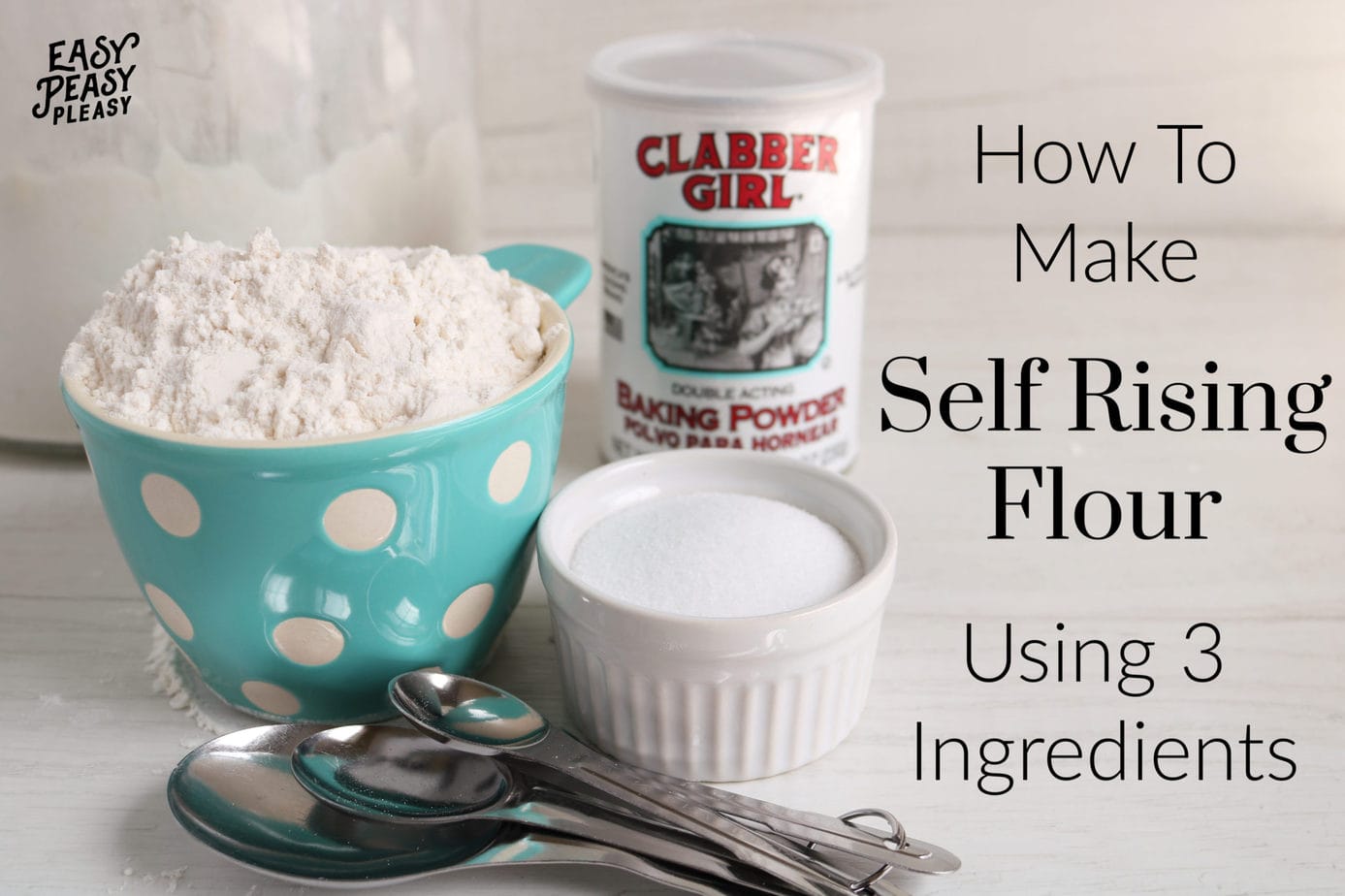
You’re halfway through a recipe, flour dust is in your hair, and then you spot it: your all-purpose flour bag is empty. Panic bubbles up. But wait—there’s a box of self-rising flour in the back of the cupboard. Can you just swap them? Spoiler alert: it’s not that simple, but don’t throw your oven mitts in the trash just yet. Let’s break this down like a cookie that’s already falling apart, but in a fun way.
The Cupboard Chemistry Lesson (No Lab Coat Required)
All-purpose flour is a simple soul. It’s just wheat, milled, and ready to serve. Self-rising flour, on the other hand, is a party animal—it comes with baking powder and salt already mixed in. Think of it as the friend who shows up with snacks and a playlist. If you swap them, you’re essentially inviting a loud DJ to a quiet poetry reading.
The big question is: what are you baking? That matters. If your recipe calls for all-purpose flour and you use self-rising, you’ll accidentally add leavening agents. Your cookies might puff up like angry clouds instead of staying flat and chewy. And nobody wants a cookie that looks like a tiny soufflé—unless you’re aiming for “volcanic biscuit chic.”
Must Read
When You Can Get Away With It (The Sly Move)
If your recipe already calls for baking powder and salt, you’re in luck. You can swap self-rising flour for all-purpose flour one-for-one, but skip the added baking powder and salt in the recipe. It’s like replacing your car’s engine with a rocket booster—just remove the extra gas pedal. However, this trick only works if the recipe’s leavening amounts match what’s in the self-rising flour.
For example, a basic biscuit recipe? Go for it. A delicate angel food cake? Run away. The ratio in self-rising flour is roughly 1½ teaspoons of baking powder and ¼ teaspoon of salt per cup. If your recipe calls for more or less, you’re playing a dangerous game. You might end up with a cake that tastes like a salt lick with a balloon inside.
The Big “No-No” Zones (Where to Tread Carefully)
Yeast breads are a hard no. Self-rising flour has chemical leaveners, and yeast needs a slow, steady environment to do its thing. Mix them, and your dough will rise too fast, then collapse like a toddler’s tantrum at nap time. You’ll get a brick. A sad, salty brick. Don’t be the person who brings a salty brick to dinner.
Also, avoid using self-rising flour for recipes that rely on precise textures, like pie crusts or puff pastry. Those need minimal gluten development and no extra puff. Using self-rising flour will make your crust taste like a biscuit that got lost on its way to a picnic. It’s fine, but it’s not the star it could be.
The Great Adjustment (Math Is Annoying, But It Works)
Fine. You’re stubborn. You only have self-rising flour, and you refuse to go to the store. I respect that. Here’s the cheat code: for every cup of all-purpose flour your recipe needs, use one cup of self-rising flour, but reduce the baking powder by 1½ teaspoons and the salt by ¼ teaspoon. Yes, that’s actual math. Apologies to your brain.
If your recipe doesn’t have any baking powder or salt—like a shortbread cookie—just don’t do it. Seriously. Put the bag down. Your shortbread will become a salty, puff-shaped tragedy. You’ll bite into it and taste regret. I’ve been there. It’s not cute.
 Self-Rising vs. All-Purpose Flour: 3 Differences & Can You Substitute Them?
The “I’ve Already Messed Up” Recovery Plan
Accidentally used self-rising flour in a bread that needs yeast? Breathe. You can still salvage it. Add an extra splash of water and a little more yeast, then let it prove longer. The chemical leaveners will fizz out early, and the yeast might still catch up. Your bread will be a little eccentric—like a cat wearing a bow tie—but it’ll be edible.
For cakes or muffins, remember that self-rising flour makes things more tender. That’s actually good news if you’re okay with a softer crumb. Just watch the salt. Salt is the silent killer here. One extra pinch and your muffins will taste like the ocean had a baby with a muffin pan.
When It’s Actually the Perfect Move
Some recipes beg for self-rising flour. Southern-style biscuits, pancakes, dumplings, and some quick breads are basically made for it. If you have a box of self-rising flour and a hankering for fluffy goodness, you’re halfway to heaven. Just don’t try to make a delicate French macaron with it, unless you enjoy crying over egg whites.
Here’s a pro tip: if you’re making pancakes for Sunday brunch and you’re out of all-purpose flour, just use self-rising flour straight up. The extra lift makes pancakes fluffier. Your kids will think you’re a brunch wizard. You are. Own it.
The Final Flour Verdict
So, can you replace all-purpose flour with self-rising flour? Yes, but with the caution of someone crossing a street while juggling chainsaws. It’s possible, but you need to adjust your recipe and your expectations. When in doubt, check the ingredient list—if your recipe is a simple muffin or biscuit, you’re golden. If it’s a delicate pastry or yeast bread, maybe just order pizza instead. No shame in that.
Remember: baking is part science, part magic, and part “oops, I forgot the eggs.” Self-rising flour isn’t a villain—it’s just a flour with a plan. And that plan is to make things rise. So, if you embrace that, you’ll be fine. You might even discover a new favorite recipe by accident.
Now go forth, flour-dusted friend, and bake something that makes you smile. And if it flops? Call it “rustic” and eat it with butter. Everything is better with butter.
