Can I Substitute Pastry Flour For All Purpose Flour

So, the other day I’m staring into my pantry, ready to bake a batch of chocolate chip cookies. I’ve got the butter softening, the sugar measured, and the vanilla extract givin...
:max_bytes(150000):strip_icc()/a-substitute-for-all-purpose-flour-3976522_v3-HL-FINAL-5c069ca6c9e77c0001e3563d.png)
So, the other day I’m staring into my pantry, ready to bake a batch of chocolate chip cookies. I’ve got the butter softening, the sugar measured, and the vanilla extract giving me those come-hither vibes. Then I reach for the flour, and my hand freezes. All-purpose flour? Gone. But there, sitting smugly in the back, is a half-used bag of pastry flour.
I felt the panic rise. Can I just… swap them? Will my cookies turn into weird cake-muffin hybrids? Or will I end up with flat, sad discs of regret? If you've ever stood in your own kitchen, hand hovering over two flour bags, wondering the same thing—breathe. I’ve done the messy experiments so you don’t have to.
The Cheat Sheet: What’s Actually Different?
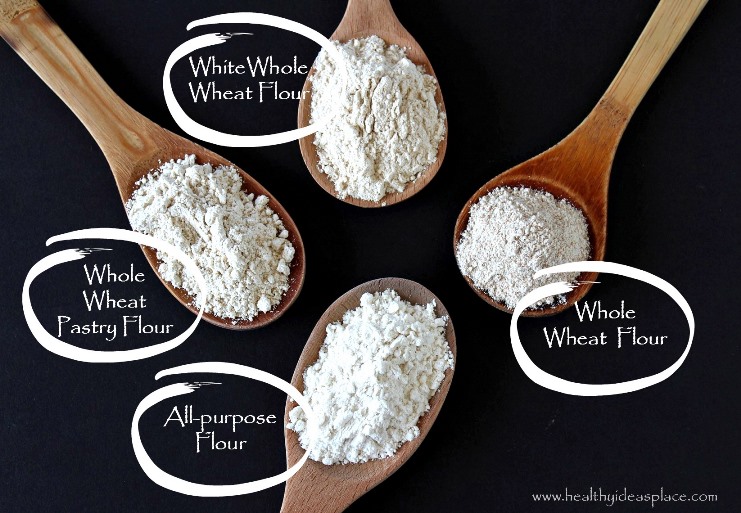
Here’s the dirty little secret of the baking world: all flour is not created equal, but it’s more like cousins than distant strangers. Pastry flour has a lower protein content (about 8-9%) compared to all-purpose flour (which hangs around 10-12%). Protein = gluten, and gluten is the muscle that gives your baked goods structure and chew.
Must Read
So, when you use pastry flour instead of all-purpose, you’re basically telling your dough to chill out. Less muscle. More tender, delicate crumbs. This is amazing for scones and pie crusts, but for a chewy bagel? Disaster. But we’re not making bagels here—we’re talking about that cookie moment.
When It’s a Brilliant Swap (and When It’s a Betrayal)
For cookies? Yes, you can totally do it. Your cookies will be softer, more cake-like, and less sturdy. They won't hold up as well if you're shipping them across the country, but for a Tuesday afternoon snack attack? Perfect. Same goes for muffins, quick breads, and pancakes—pastry flour makes them pillowy and ethereal.
But here’s the ironic part: if you try to substitute pastry flour for all-purpose in something like pizza dough or crusty bread, you’ll get a floppy, sad flatbread. No crunch. No stretch. That’s when the swap becomes a betrayal of the highest order, and your dinner guests will silently judge you.
The “Just Like That” Fix (Because We’re Lazy)
If you’re halfway through a recipe and realize you only have pastry flour, don't panic. You can fake all-purpose flour by mixing pastry flour with a little cornstarch? No—actually, that’s for cake flour. For this swap, a simpler trick is to add a tablespoon of vital wheat gluten per cup of pastry flour. But who has that lying around? (Not me, judging by my disastrous quarantine sourdough attempts.)
 Can I Substitute Pastry Flour For All Purpose Flour | Detroit Chinatown
Honestly, if the recipe calls for all-purpose and you use straight pastry flour, it will still work—just expect a lighter, more fragile result. The crust on your pie might shatter instead of flake. Your muffins will be super soft. Is that a bad thing? Only if you wanted a weaponized rock-hard muffin to throw at a pigeon.
What About the Opposite? All-Purpose for Pastry Flour?
Oh, you wanted to make tender scones but only have all-purpose flour? That’s actually easier to fix. You can substitute all-purpose for pastry flour by simply using a lighter hand when mixing. Overwork it, and you get tough hockey pucks. Underwork it, and you still get a decently tender crumb. The trick is to treat the dough like a suspicious cat—gentle, minimal moves.
Or, you can do what my grandma did: she just used all-purpose and added an extra tablespoon of butter. More fat means less gluten formation, which mimics the tenderness of pastry flour. Grandma was a genius. And probably a little tipsy from the sherry in her cake.
The Bottom Line (Because Your Oven Is Waiting)
So, can you substitute pastry flour for all-purpose flour? Yes, but with a wink. Use it for tender treats—cookies, muffins, pancakes, scones—where softness is the goal. Avoid it for anything that needs to stand up and be counted, like bread, pizza, or bagels. If you’re in doubt, just remember: lower protein = softer teeth; higher protein = more elbow grease to chew through.
And if your cookies turn out a little too pillowy? Call them “French-style” and nobody will question you. I’ve done it. It works. Now go bake something, you magnificent flour-swapping rebel.
:max_bytes(150000):strip_icc()/a-substitute-for-all-purpose-flour-3976522_v3-HL-FINAL-5c069ca6c9e77c0001e3563d.png&description=Can+I+Substitute+Pastry+Flour+For+All+Purpose+Flour)