Can I Use Self-rising Flour Instead Of All-purpose Flour

So, you’re staring into your pantry, and all you see is a lonely bag of self-rising flour. Your recipe is screaming for all-purpose. Classic kitchen panic, right? We’ve all b...
So, you’re staring into your pantry, and all you see is a lonely bag of self-rising flour. Your recipe is screaming for all-purpose. Classic kitchen panic, right?
We’ve all been there. You just want cookies, or biscuits, or a decent pizza crust. But now you’re asking the big question: Can I even do this?
The short, honest answer is: Yes, but with some major strings attached. Think of it like wearing your fancy dress shoes to a mud run. Possible? Technically. Smart? No way.
Must Read
The Chemistry Lesson (the fun one)
Let’s break this down without putting you to sleep. All-purpose flour is your neutral, dependable friend. It does what you tell it.
Self-rising flour is that friend who already added baking powder and salt. Like, who does that without asking first?
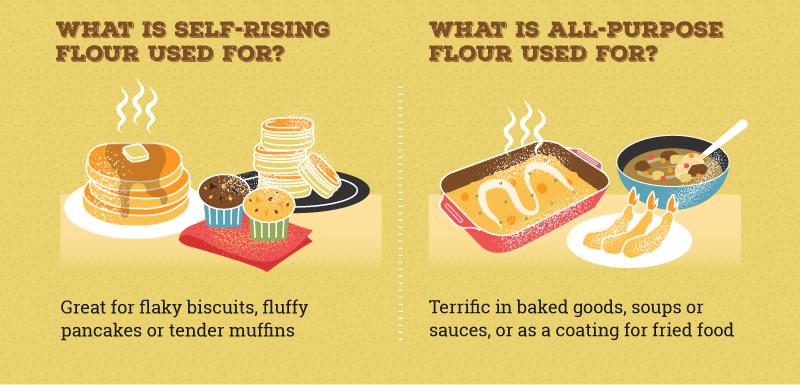
Baking powder is a leavening agent. It makes things rise. Self-rising flour is basically a pre-mixed shortcut for scones and pancakes. That’s its whole purpose in life.
So, when you swap one for the other, you’re adding a surprise extra ingredient. Surprise! Your cookies might turn into fluffy, salty pillows.
When You Can Totally Get Away With It
Okay, here’s the cheat sheet. If you’re making pancakes, waffles, or simple drop biscuits, you’re golden. Seriously, go ahead.
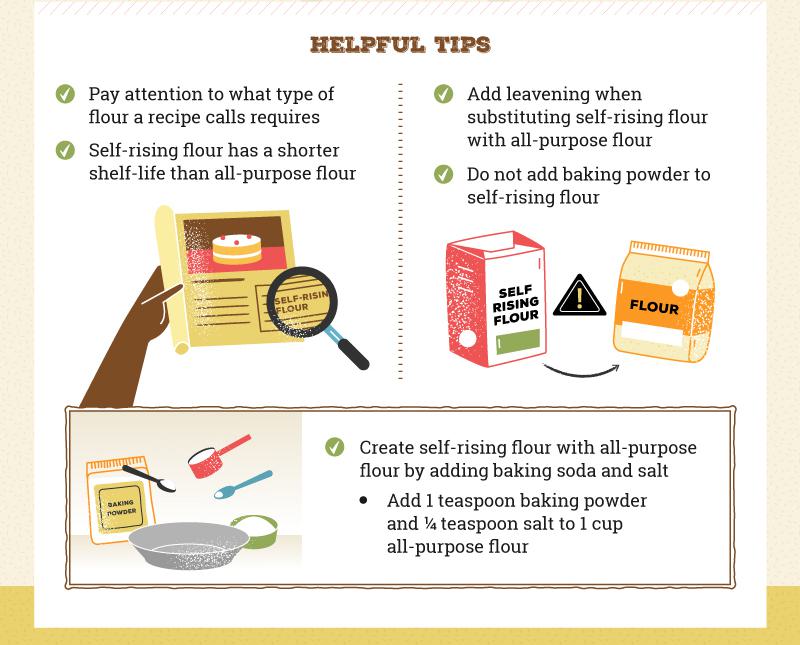
The recipe might already call for baking powder and salt. In that case, skip those ingredients. Self-rising flour is doing double duty for you.
Just remember: one cup of self-rising flour equals one cup of all-purpose flour, plus 1½ teaspoons of baking powder and ¼ teaspoon of salt. Keep that in your back pocket.
When It’s a Baking Disaster Waiting to Happen
Don’t even think about it with yeast breads. Yeast needs time to work its magic. Self-rising flour forces the issue too fast. Your bread will collapse like a sad soufflé.
Same goes for pie crusts and shortbread. Those recipes want a dense, flaky texture. Extra leavening will make them taste like a crumbly, salty cookie. Delicious? Maybe for breakfast. Wrong for pie.
 Self-Rising Flour vs. All-Purpose Flour | Bob's Red Mill Natural Foods
And cookies? Oh boy. It depends on the cookie. Thin, crisp cookies might turn into puffy little hockey pucks. Chewy cookies? They get weirdly cakey. Cakey cookies are a betrayal of nature.
How to Fake It ‘Til You Make It
If you really want to use that self-rising flour, you can. You just need to be a little sneaky about it.
First, delete any baking powder and salt from your recipe. Those are already in the flour. Double-check your recipe. Seriously, triple-check.
Second, taste your batter or dough. Self-rising flour can be salty. If it tastes like the ocean, add an extra pinch of sugar or just accept your fate.
Third, expect the unexpected. Your cakes will rise higher. Your biscuits will be lighter. That’s not always a bad thing—especially for a lazy Sunday morning.
The Verdict (Because You Need One)
Can you use self-rising flour instead of all-purpose? Yes, but you’re playing with fire. Or, you know, baking powder.
For quick breads, pancakes, and simple biscuits? Go wild. You might even prefer the extra fluffiness. You rebel.
For delicate pastries, yeast breads, and serious cookie projects? Run to the store. Buy the all-purpose flour. Your reputation as a baker depends on it.
Or, just make a batch of scones instead. Scones love self-rising flour. And they don’t judge you for pantry laziness.
So, what’s it going to be? A happy accident or a trip to the grocery store? I’ll be over here, eating a slightly-too-salty biscuit, living my best life.
