Can I Use Vanilla Flavouring Instead Of Vanilla Extract

So, you’re halfway through a batch of cookies, and you realize the vanilla extract bottle is empty. Panic? Not yet. You spot a bottle of vanilla flavouring in the back of the...
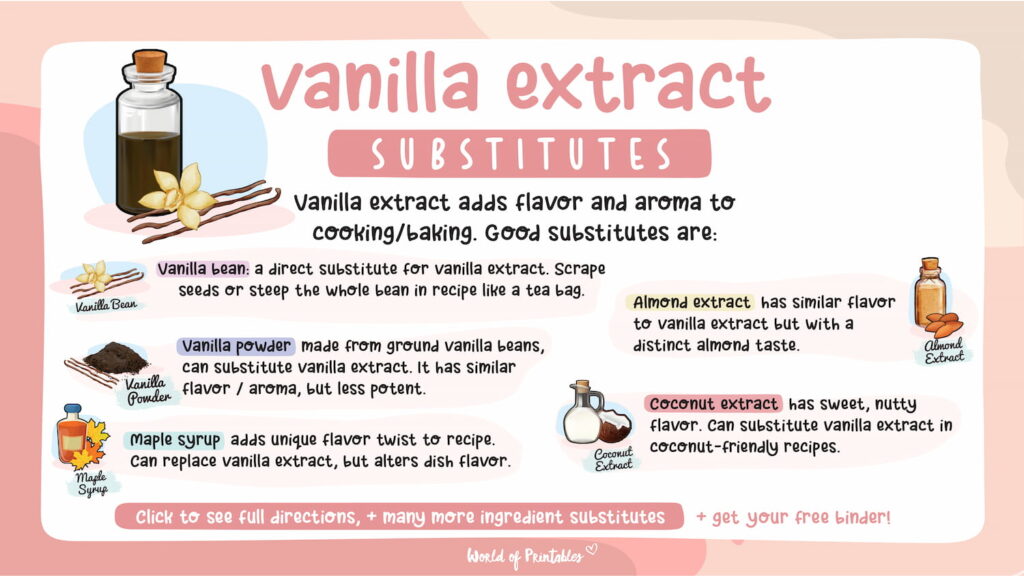
So, you’re halfway through a batch of cookies, and you realize the vanilla extract bottle is empty. Panic? Not yet. You spot a bottle of vanilla flavouring in the back of the cupboard. Can you just swap them? Is that a culinary crime, or a clever hack?
Here’s the short answer: Yes, you can, but the results won’t be the same. Think of it like swapping a live band for a good cover band. Both play the song, but the vibe is different.
Let’s break down the why without getting too science-y. Vanilla extract is made by soaking real vanilla beans in alcohol. That process pulls out hundreds of natural flavor compounds.
Must Read
Vanilla flavouring, on the other hand, is usually a mix of synthetic vanillin (the main flavor molecule) and water or oil. It’s the chemical shortcut to a vanilla taste.
Imagine you’re used to rich, dark chocolate, and someone hands you a milk chocolate bar. It’s still chocolate, right? But the depth is missing. That’s the difference here.
When the swap actually works like a charm
If you’re making something with strong competing flavors—like a chocolate cake, a coffee glaze, or a spicy pumpkin pie—nobody will notice. The vanilla is just a background whisper.
For baked goods that rely on simple flavors, like sugar cookies, buttercream, or vanilla pudding, the swap is a risk. The flavouring can taste a bit harsh or one-note, like a perfume that’s wearing off.
Here’s a fun test: sniff the two bottles side-by-side. Extract smells like a warm, boozy hug. Flavouring smells like a clean candy factory. Which vibe do you want in your dessert?
What about the alcohol factor?
Real vanilla extract usually has around 35% alcohol. That alcohol helps “bloom” other flavors in the oven. Flavouring? It’s often alcohol-free and water-based.
This matters because alcohol evaporates faster than water, which can change your batter’s chemistry. Ever notice a cookie that’s slightly tougher than usual? That could be the absence of boozy moisture.
But let’s be real: for a casual Tuesday night bake, nobody is doing a taste test competition. You just want something sweet.
How to adjust if you do make the swap
First, don’t use a 1:1 ratio. Flavouring is usually more concentrated and artificial. Start with about half the amount the recipe calls for, then add a tiny splash of water to match the volume.
Second, add a pinch of salt to your batter. Salt dials down the fake notes and brings out the warmth. Weird? Yes. Brilliant? Also yes.
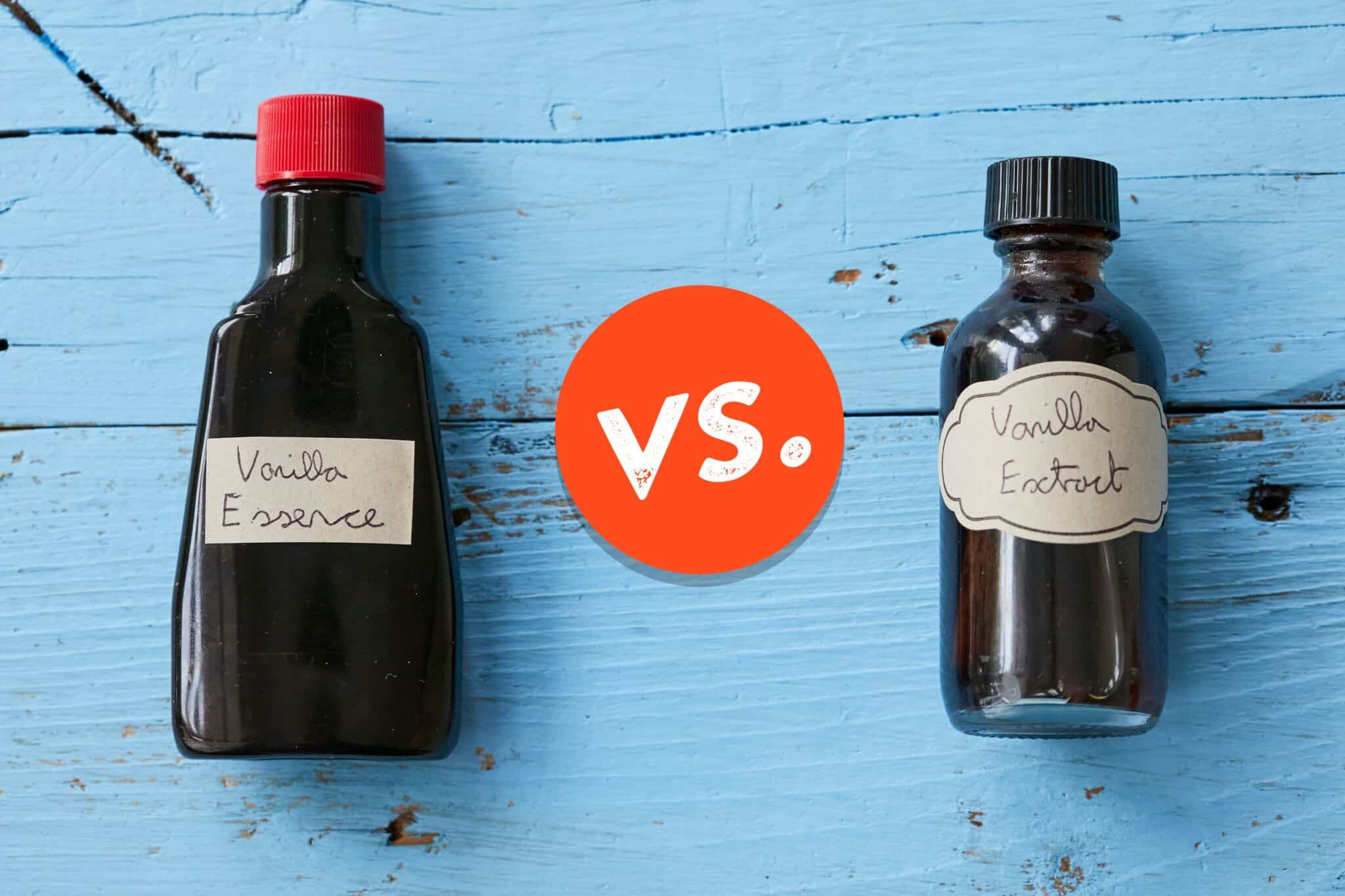 Is Vanilla Flavouring The Same As Vanilla Extract | Detroit Chinatown
Third, if you have a drop of bourbon, rum, or even a bit of maple syrup handy, throw that in. It adds the complexity that the flavouring is missing.
But what about no-bake desserts?
Here’s where it gets really interesting. In no-bake recipes—like whipped cream, no-churn ice cream, or chilled cheesecake—the difference is much more obvious. You’re not cooking off any plastic notes.
For these, flavouring can taste “thin” or even a little medicinal. It’s like wearing a cheap cologne instead of a subtle perfume. Both smell like something, but one gives you a headache.
So if you’re whipping up a last-minute fruit dip or a simple pudding, consider using vanilla bean paste if you have it. If not, flavouring is absolutely fine for a quick fix.
The honest verdict from a casual baker
Look, I’ve done this swap more times than I’d like to admit. On vacation, in a friend’s kitchen, or during a midnight craving. And you know what? The world didn’t end.
The cookies were still chewy. The frosting was still sweet. Did they taste elevated? No. Did they taste bad? Not at all. They tasted like home baking.
If you’re baking for a judgmental crowd—like a baking competition or a food blogger—stick with pure extract. It’s the gold standard.
But if you’re baking for yourself, your kids, or a friend who loves you anyway? Go for it. Vanilla flavouring is the budget-friendly, accessible hero in your pantry.
Think of it like this: extract is a hand-written love letter. Flavouring is a text message. Both say “I care,” just with different formatting.
So, next time you find the extract empty, don’t panic. Swap it, adjust the amount, and maybe add a secret ingredient. Your taste buds might not even know the difference.
And if they do? Call it a “rustic, homemade twist.” That’s what I do.
