Can You Make Annie's Mac And Cheese Without Milk

Alright, let’s tackle a kitchen crisis that has probably struck you at the worst possible moment. You’re craving that creamy, glorious bowl of Annie’s Mac and Cheese. You pop...

Alright, let’s tackle a kitchen crisis that has probably struck you at the worst possible moment. You’re craving that creamy, glorious bowl of Annie’s Mac and Cheese. You pop the box open, boil the pasta, and then—bam—you open the fridge and realize you have zero milk. Don’t panic. The answer is a resounding yes, you absolutely can make Annie’s Mac and Cheese without milk. And guess what? It might even turn out better than the box instructions suggest.
First, let’s understand why the box calls for milk in the first place. It’s not some ancient, unbreakable law of dairy. The milk is there to add creaminess and help the cheese powder dissolve smoothly. But here’s the secret: water works just fine, especially if you get the technique right. Think of it as a blank canvas—you just need a little bit of liquid magic.
The Foolproof No-Milk Method
The simplest swap is to use the pasta water itself. After you drain your cooked noodles, reserve about a quarter cup of that starchy, salty water. This is liquid gold for your cheese sauce. The starch from the pasta helps the cheese powder emulsify into a silky, clingy sauce that hugs every elbow.
Must Read
Here’s the step-by-step: Cook your pasta, scoop out that reserved water, then add the cheese powder directly to the hot pasta. Stir like you mean it! Then, add just a tablespoon or two of the reserved water at a time. You’ll see the sauce come together like a delicious science experiment. No clumps, just pure, cheesy joy.
If you want to mimic the richness of milk without actually using it, try adding a tiny pat of butter (about a teaspoon) to the sauce. It adds a silky mouthfeel and a faint buttery flavor that makes it feel “complete.” Trust me, your taste buds will never miss the milk.
Other Genius Substitutes (That Totally Count)
What if you have other stuff in your fridge? You’re not out of luck. Plain yogurt, sour cream, or even cream cheese are all A+ replacements. Use about two tablespoons of any of these for a single box. They add tang and creaminess that elevate the dish from “kid food” to “I’m a grown-up making lunch.”
Another wildcard: broth or stock. Chicken, vegetable, or even bone broth adds an unexpected savory depth. The cheese powder handles it like a champ. You might end up with a slightly “grown-up” mac, and that’s a win in my book. Just avoid anything with strong flavors like tomato juice unless you’re feeling very adventurous.
And for my fellow dairy-free friends, unsweetened plant milks work perfectly. Almond, oat, or soy milk are all solid choices. Just make sure it’s unsweetened, or you’ll get a weirdly sweet cheese sauce that tastes like a mistake. Oat milk is my personal champion here—it’s naturally creamy and neutral.
What If You Have No Liquid At All?
Say you’re truly in a bare-cupboard scenario—no water, no milk, no broth, nothing. I’ve been there. In that case, you can use the cooking water from the pasta itself. That’s your lifeline. But if you’ve already drained it dry, just add a tiny splash of hot tap water and a bit of olive oil or butter. It won’t be the creamiest version of Annie’s, but it will be edible and cheesy enough to satisfy the craving.
Pro tip: If you use water only, add a generous pinch of salt and a splash of pasta water. The salt brings out the cheese flavor. Without it, the sauce can taste flat. A little salt goes a long way to fooling your brain into thinking you’re eating something super indulgent.
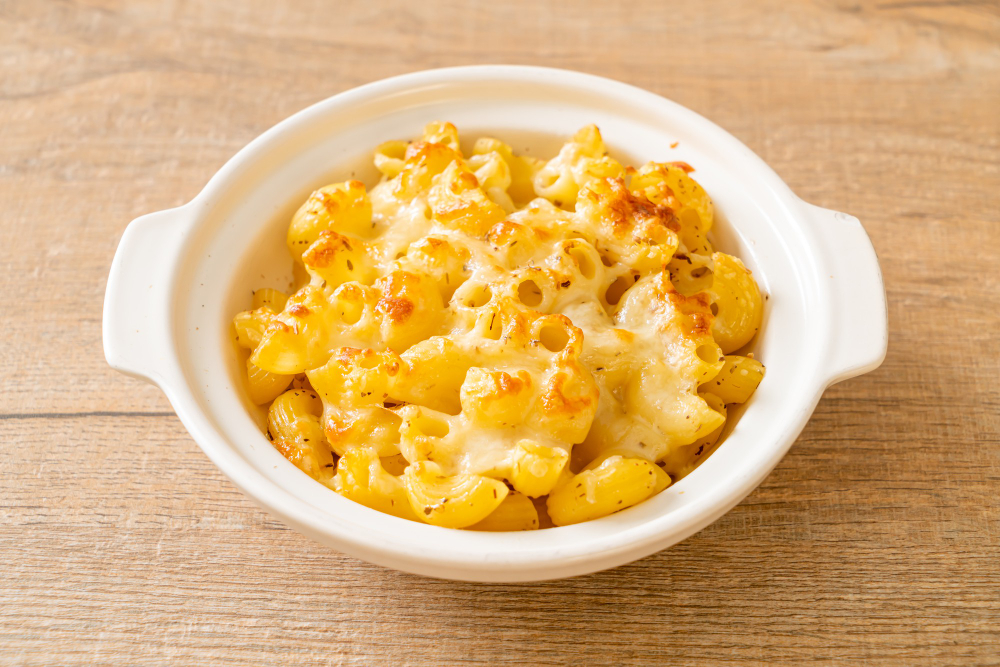 Making Annie's Mac and Cheese Without Milk | Iupilon
The Great Gluten-Free & Vegan Workaround
Annie’s also makes gluten-free and vegan options. The same rules apply here. For the vegan version, any plant milk or water works, but I highly recommend a splash of unsweetened oat milk plus a little vegan butter. The results are shockingly close to the original. For gluten-free, just be extra gentle with the pasta water ratio because GF noodles are starchier. Use a little less water to avoid a gluey situation.
And here’s a fun twist: if you’re feeling fancy, you can turn your no-milk Annie’s into a “cheesy casserole”. After making the sauce with water or broth, pour the whole thing into a small baking dish, top with breadcrumbs (or crushed crackers if you’re in a pinch), and bake at 375°F for 10 minutes. The top gets crunchy, the inside stays gooey, and you suddenly have a dish that looks like you planned it all along.
Let’s address the elephant in the room: Does it taste exactly like the box? No, of course not. Milk adds a certain richness that water can’t fully replicate. But honestly? The difference is subtle. Most people, even picky eaters, won’t notice or care. The cheese powder is the star of the show, and you’re just giving it a slightly different stage to perform on.
I’ve made Annie’s with water for years, and I actually prefer it. The flavor is cleaner, less “milky,” and lets the cheese forward shine. Plus, you save a trip to the store and a potential meltdown. That’s a win-win in my book.
A Final Cheesy Pep Talk
So next time you’re staring at an empty milk carton and a box of Annie’s, don’t despair. You have options, you have skills, and you have pasta water. You are a kitchen warrior. You can make comfort food happen with whatever you’ve got. And that, my friend, is the real magic of cooking—turning a “problem” into a delicious solution.
Remember, you are not alone in this struggle. The internet is full of fellow mac-and-cheese enthusiasts who have experimented, failed, and triumphed. You are part of that glorious tribe. So go ahead, boil that pasta, grab your reserve water, and make yourself a bowl of warm, cheesy happiness. No milk required. Just a little creativity, a lot of love, and maybe a tiny pat of butter for good measure.
You’ve got this. Now go make your mac, your way. And if it’s a little weird at first? That’s okay. It’s still delicious. Promise.
