Can You Sub Dark Brown Sugar For Light Brown Sugar

You’re halfway through a batch of chocolate chip cookies, and your hand hovers over the pantry. The recipe calls for light brown sugar, but all you see is the dark, molasses-r...
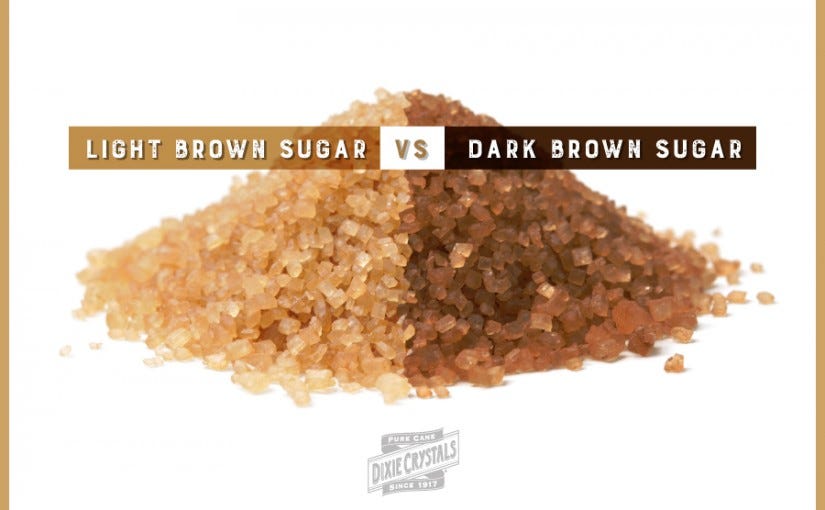
You’re halfway through a batch of chocolate chip cookies, and your hand hovers over the pantry. The recipe calls for light brown sugar, but all you see is the dark, molasses-rich bag staring back at you. Don’t panic—this is a kitchen moment we’ve all faced, and the answer is a lot simpler than you think.
The short, sweet truth is that yes, you can absolutely substitute dark brown sugar for light brown sugar in most recipes. They are fraternal twins, not identical strangers, born from the same white sugar and molasses parentage. The only real difference is the amount of molasses mixed in—light has about 3.5%, while dark packs around 6.5%.
The Flavor Shift: A Cheeky Upgrade or a Misdemeanor?
When you swap in dark brown sugar, you are giving your dish a vibe shift. Think of it like swapping a clean white t-shirt for a worn-in leather jacket—same silhouette, but the attitude is richer and bolder.
Must Read
Baked goods like cookies and cakes will take on a deeper, almost caramelized flavor profile. You’ll notice a hint of toffee, burnt honey, or even a whisper of licorice in the background. For spice-heavy recipes like gingerbread or pumpkin pie, this swap is a deliberate upgrade, not a compromise.
However, if you’re making something delicate, like a light yellow cake or a subtle shortbread, the molasses note can overpower. In those cases, it’s like wearing combat boots to a ballet—still functional, but the elegance gets a little muddy.
Texture: The Moisture Factor Nobody Talks About
Here’s a fun fact: dark brown sugar is slightly more hygroscopic, meaning it pulls more moisture from the air. That extra molasses makes your cookies and muffins a touch chewier and softer than if you used light brown sugar.
This isn’t a bad thing—unless your recipe relies on a specific crispness. For example, a classic New England brown sugar cookie might turn out pillowy instead of snappy. If you want that crunch, reduce your liquid in the recipe by about one tablespoon per cup of dark brown sugar used.
And yes, that extra moisture also means your dark brown sugar will clump into a brick faster than its lighter sibling. Pro tip: store it with a slice of bread or a damp paper towel to keep it fluffy.
Cultural References: From Grandma’s Kitchen to BBQ Joints
Southern bakers have been swapping these sugars for generations without blinking. In fact, many old-school recipes for Kentucky Derby pies and Texas sheet cakes historically called for just “brown sugar,” leaving the shade to your cupboard’s mercy.
That’s because until the mid-20th century, brown sugar was often just partially refined sugar with some molasses left in—not the standardized light/dark split we see today. Rebelling against the label is almost historically accurate.
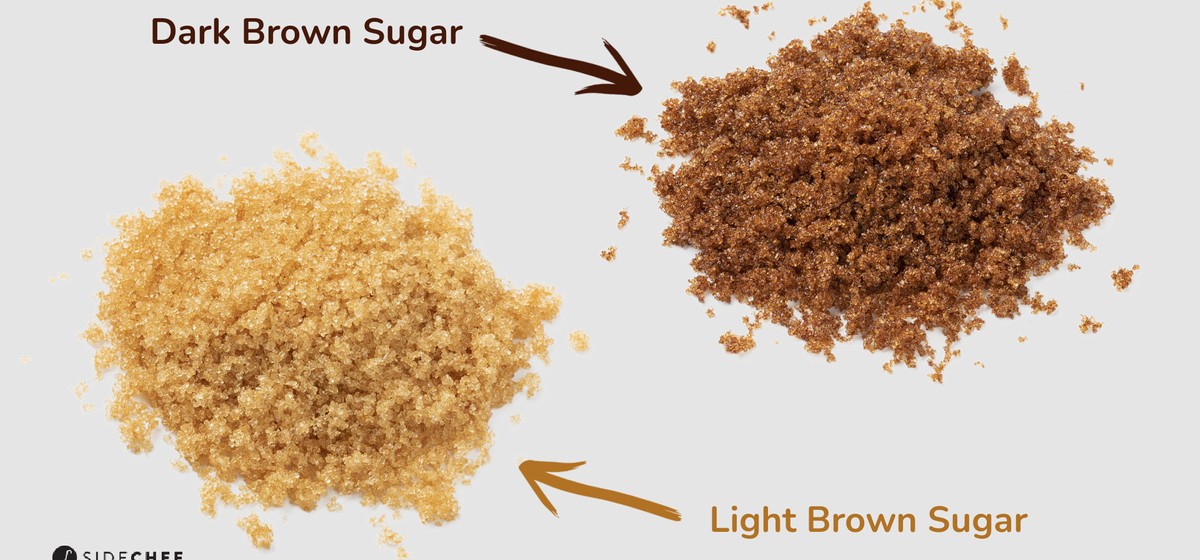 2 Main Types of Brown Sugar Explained - SideChef
Even in the world of barbecue, dark brown sugar is the hero. Kansas City-style ribs rely on that molasses kick for a sticky, smoky bark. So if you’re glazing a ham or making a bourbon glaze, dark brown sugar isn’t a substitute—it’s the star.
Practical Tips for the Switch
Here’s your cheat sheet for making the swap without any kitchen drama. First, measure your dark brown sugar loosely, then pack it firmly—same as you would with light. The texture difference is minimal, but packing ensures consistent sweetness.
Second, if your recipe has a sour element (like buttermilk or lemon), the dark brown sugar’s molasses can react with it in ways that slightly alter the leavening. Don’t overthink it—just add an extra ¼ teaspoon of baking soda to keep your rise lively.
Third, for savory dishes like baked beans or marinades, always choose dark. The extra molasses deepens umami and adds a smoky foundation that light sugar simply can’t touch. Your taste buds will thank you.
One more fun fact: dark brown sugar has about the same number of calories and carbs as light brown sugar. The molasses adds negligible trace minerals, so don’t tell yourself this is a health swap—but it does taste like you’re getting away with something.
The Verdict: A Kitchen Ally, Not a Liability
So next time you’re staring down that dark sugar bag in your pantry, consider it an invitation to play. Cookbooks are guidelines, not prison sentences. The best meals often come from trusting your pantry over your anxiety.
In a world that pressures us to be perfect, a little molasses rebellion is a beautiful thing. That dark brown sugar isn’t a mistake—it’s a quiet act of creativity, wrapped in a spoonful of sweetness.
