Can You Substitute Almond Milk For Regular Milk In Baking

Okay, let’s be real. You’re staring at a half-empty carton of milk, and the recipe is yelling for a cup. But your stomach? It’s whispering about that chic almond milk you boug...

Okay, let’s be real. You’re staring at a half-empty carton of milk, and the recipe is yelling for a cup. But your stomach? It’s whispering about that chic almond milk you bought for smoothies last week.
We’ve all been there. It’s the cupboard version of a blind date, except the stakes are higher because your cake’s reputation is on the line. So, can you swap regular milk for almond milk in baking?
Short answer: Yes, you absolutely can. But the long answer involves a few “oops” moments and a dash of science that’s actually pretty painless.
Must Read
The Great Dairy Swap: What Actually Happens?
Think of regular milk as the dependable, slightly boring friend who always shows up on time. Almond milk is that friend who brings a weird kombucha to the party—interesting, but you’re not sure if it’ll mix well with the punch.
In baking, milk provides moisture, fat, and structure. Regular milk has about 3-4% fat. Almond milk usually floats around 1-2% fat, and it’s mostly water.
What does that mean for your muffins? They might be a little less tender. Not a disaster, just… slightly less of a hug in bread form.
The Golden Rule: Fat is Your Friend (Until It’s Not)
If your recipe calls for melted butter or oil alongside the milk, you’re golden. That extra fat will pick up the slack from the skinny almond milk. It’s like wearing a statement necklace to distract from your mismatched socks.
But if your recipe is a lean one—like angel food cake or a delicate sponge—the swap gets trickier. Without that creamy fat, your cake might turn out a bit dense or gummy. Picture a disappointed pancake in loaf form.
Pro tip: Shake that carton like it owes you money. Almond milk separates faster than a bad Tinder date, and you need that emulsion for even baking.
The Flavor Factor: Will It Taste Like a Health Nut?
Here’s the thing—most people can’t tell the difference in flavor once you add sugar, vanilla, or chocolate. Unless you’re baking a plain shortbread, your almond milk is basically a secret agent hiding in plain sight.
However, unsweetened almond milk is your friend. The sweetened stuff adds extra sugar, which can mess with the chemical balance. You don’t want your cookies to suddenly think they’re at a sugar rave.
I once used vanilla-flavored almond milk in a batch of cornbread. The result? It tasted like a polite, slightly floral cornbread that apologized for existing. No one died, but it was weird.
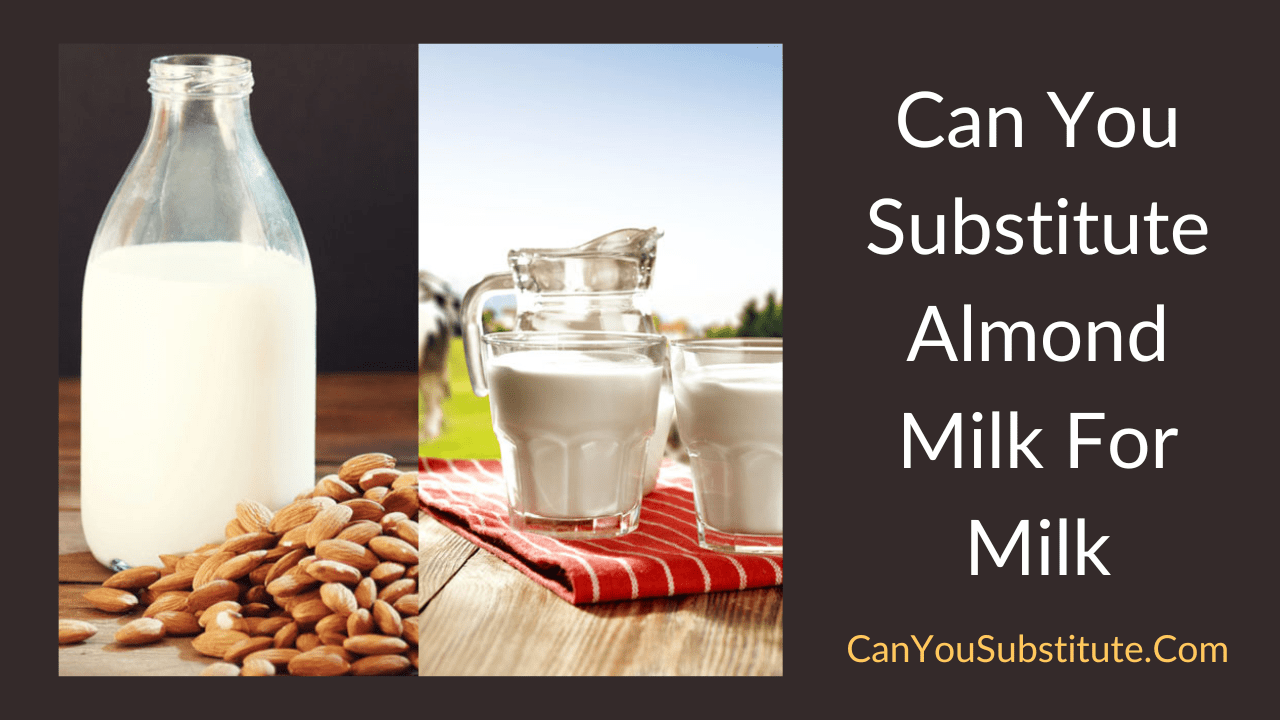 Can You Substitute Almond Milk For Milk? - How To Replace Almond Milk
Texture Trouble: The Curdle Conspiracy
Ever added lemon juice or buttermilk to a recipe? That acid can make almond milk curdle on the spot. It looks like a science experiment gone wrong—little white flecks floating around like confetti.
Don’t panic. It’s usually fine once baked. The heat smoothes things out, like your mom telling you to “just wait, it’ll be fine.” But if you’re making a quick bread or scones, use a high-quality, barista-style almond milk that’s designed to handle heat.
Never use almond milk in a custard or pudding without a starch thickener. That’s how you get almond-flavored soup. Trust me, I’ve eaten that soup. It wasn’t great.
When the Swap Goes Wrong (And How to Fix It)
You’re not alone if your first attempt produced a cake that looked like a crater. Almond milk has less protein than cow’s milk, so it browns faster and can collapse if over-mixed.
If your cake dome sinks like a depressed soufflé, next time reduce the baking temperature by 25°F. This gives the structure more time to set without burning the edges.
Also, under-mix your batter. I know, it feels wrong. But with almond milk, you want to stir just until the flour disappears. Over-mixing creates gluten, and gluten plus low fat equals tough bricks.
The Verdict: Yes, But With a Wink
So go ahead, swap that milk. Your brownies will still be fudgy. Your banana bread will still be the star of the office potluck. Just don’t expect a perfect 1:1 replica—expect a delicious cousin twice removed.
Think of it like wearing sneakers to a wedding. It works, you’re comfy, and no one is really staring at your feet. Except maybe the bride’s grandma, but she judges everything.
Bottom line: Substituting almond milk in baking is less “risky business” and more “fun experiment.” Your kitchen won’t explode. Your family might not even notice. And if they do? Just shrug and say, “It’s dairy-free, darling.” Then watch them pretend to love it.
Now go forth and bake that almondy, slightly-less-rich life. Your taste buds will thank you, and your inner health guru will nod approvingly while sneaking a second slice of cake.
