Can You Use All Purpose Flour Instead Of Cake Flour

So, you're staring into your pantry, halfway through a cake recipe, and it hits you: you're fresh out of cake flour. Your only friend is that bag of all-purpose flour staring...
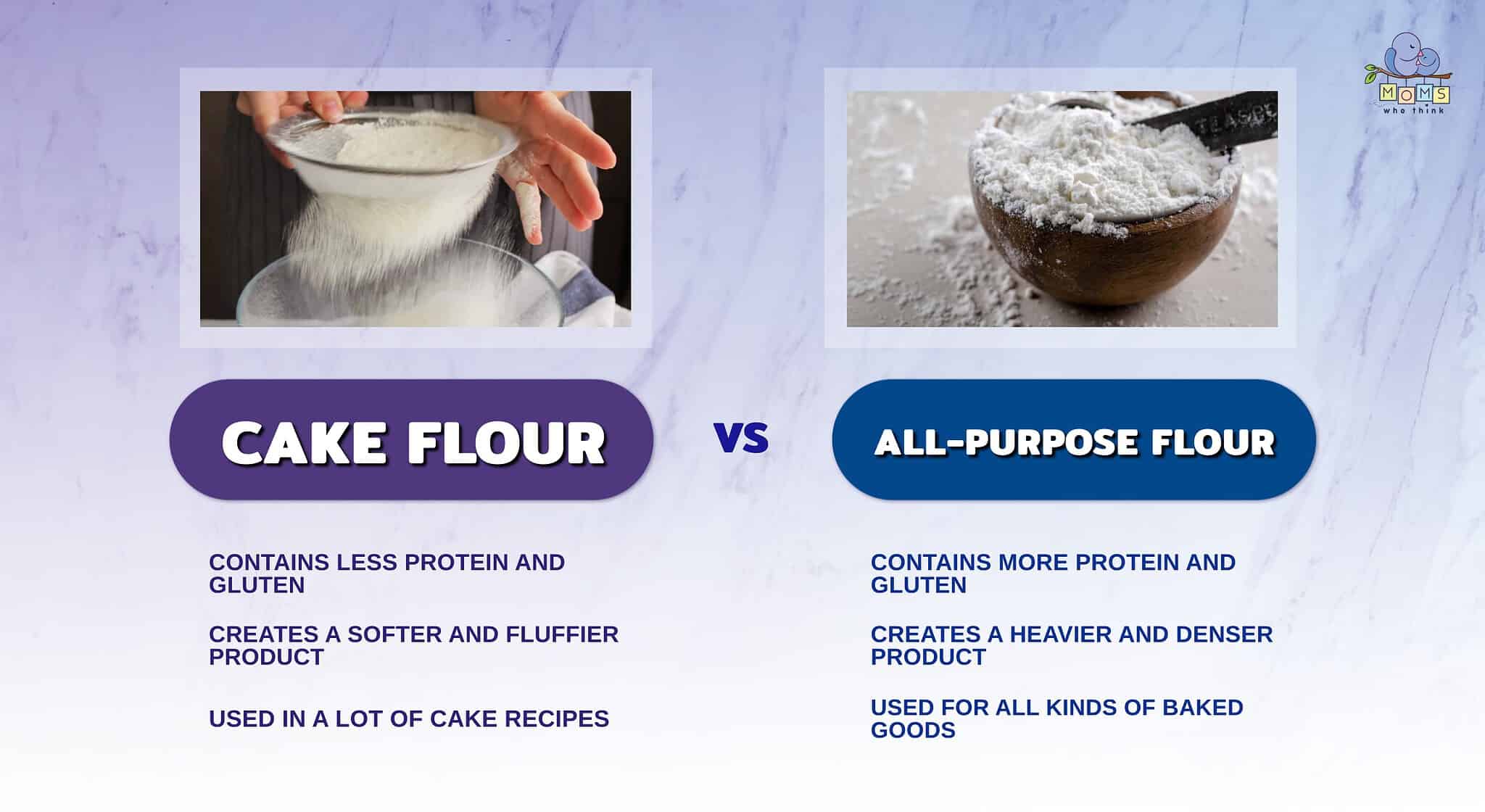
So, you're staring into your pantry, halfway through a cake recipe, and it hits you: you're fresh out of cake flour. Your only friend is that bag of all-purpose flour staring back at you, like that one friend who shows up to every party uninvited. Can you really swap them without turning your dream cake into a brick? Let's dig in—no stress, just flour power.
The short, happy answer is yes, you absolutely can use all-purpose flour instead of cake flour. But here’s the twist: you have to hack it a tiny bit. Think of cake flour as the delicate, fancy pants of the flour family, while all-purpose is the reliable, everyday jeans. They’re not the same, but with a quick adjustment, your jeans can totally pass for a dress shirt.
What’s the big difference anyway?
Cake flour has a lower protein content—usually around 7 to 9 percent—which means it forms less gluten. Less gluten equals a softer, fluffier crumb, like biting into a cloud. All-purpose flour, sitting at 10 to 12 percent protein, is a bit more muscular; it holds up in breads and cookies, but it can make a cake tough if you aren’t careful.
Must Read
So, why is it cool to use all-purpose? Because you get to be a kitchen scientist! You’re not just following a rule—you’re understanding the why. And that makes you a boss baker, even when you’re improvising. Plus, it saves you a trip to the store. Who has time for that?
The magic trick: cornstarch to the rescue
Here’s the hack: for every cup of all-purpose flour, remove two tablespoons of it. Then, add two tablespoons of cornstarch. Sift it all together at least three times. Why? Cornstarch is gluten-free and soft, so it lowers the overall protein content, mimicking cake flour’s delicate nature. It’s like giving your all-purpose flour a gentle, fluffy haircut.
Think of it this way: cake flour is the ballerina of baking—light, airy, graceful. All-purpose is the crossfitter—strong and versatile, but can be a bit clunky in a tutu. The cornstarch trick tames that muscle, making your crossfitter pirouette like a pro. Magical, right?
When the swap works best
This substitution is perfect for tender cakes like yellow cake, white cake, or sponge cakes. It’s less ideal for very delicate recipes like angel food cake, which needs that ultra-low protein to rise sky-high. For angel food, stick with the real deal—or risk a pancake. But for most weekend bakes? Go for it.
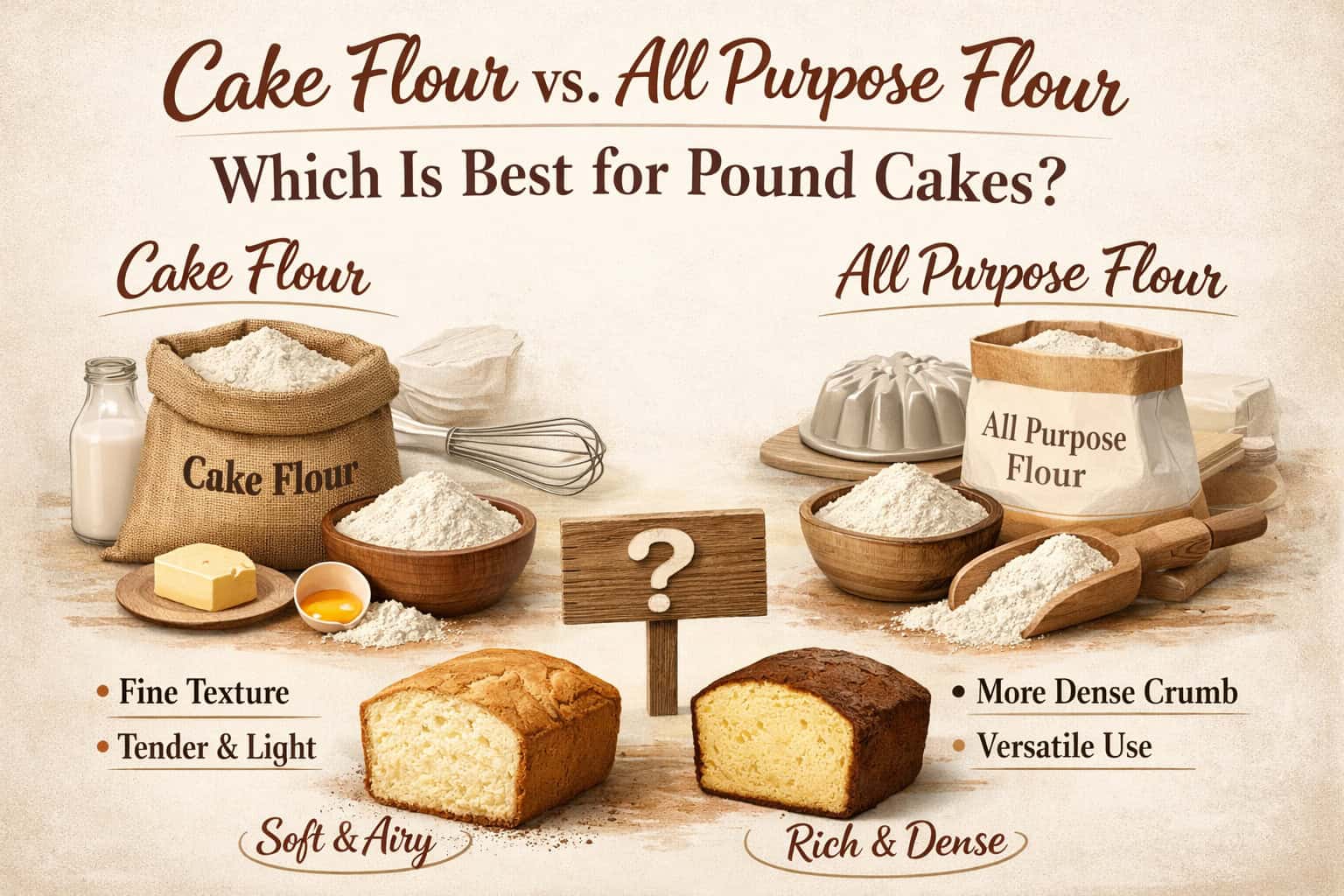 Cake Flour vs. All Purpose Flour: Which Is Best for Pound Cakes? - Whip
What about texture? Your cake might be slightly denser, but we’re talking about a tiny difference. Unless you’re a pro baker with a microscope, you probably won’t even notice. Your friends will just say, “Wow, this is amazing,” and you can nod mysteriously.
Pro tip: don’t overmix
Since all-purpose flour has more gluten, you need to be extra gentle when mixing. Overmixing activates that gluten, turning your fluffy dream into a rubbery tire. Mix until just combined—like you’re handling a sleepy kitten. Patience is your secret ingredient here.
Also, consider using cake flour if you’re making a layered birthday cake for a perfectionist. But for a cozy Tuesday night dessert? All-purpose with cornstarch wins every time. It’s resourceful, fun, and frankly, a little rebellious.
The bottom line: bake with confidence
Can you use all-purpose flour instead of cake flour? Absolutely. It’s not cheating—it’s adapting. With a little cornstarch and a light hand, you’ll get a cake that’s tender, delicious, and proud of its humble origins. So next time you’re in a pinch, remember: you’re not just baking a cake; you’re telling a story of kitchen ingenuity.
Go ahead, preheat that oven. Your substitute is ready, and so are you. And hey, if it turns out a little different? Call it “rustic.” Everything tastes better with a good backstory. Happy baking!
