Can You Use All Purpose Flour Instead Of Self Rising

You know that moment. You’re halfway through making pancakes for a lazy Sunday, and the recipe calls for self-rising flour. You check the pantry. Nope. All you see is the all-...
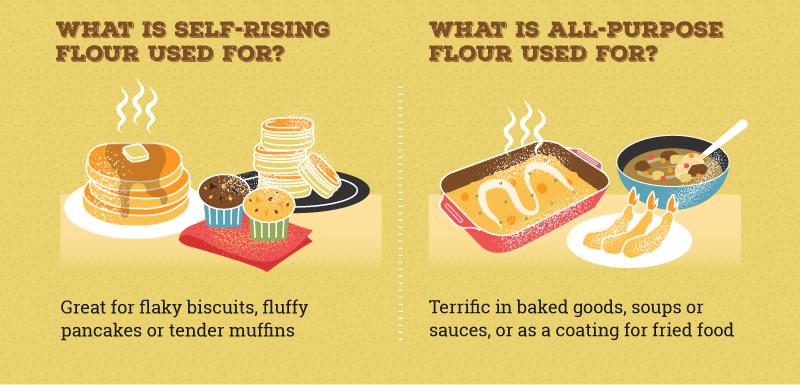
You know that moment. You’re halfway through making pancakes for a lazy Sunday, and the recipe calls for self-rising flour. You check the pantry. Nope. All you see is the all-purpose bag, staring at you like a disappointed coach. Don't panic. This is not a baking emergency; it’s just a little kitchen puzzle.
The Big Difference (That Isn't Actually That Big)
Think of all-purpose flour as the blank canvas of the baking world. Self-rising flour is that same canvas, but someone already mixed in the salt and baking powder for you. It’s like buying a pre-assembled IKEA table versus getting the box of loose boards and a hex key.
So yes, you can absolutely use all-purpose flour instead of self-rising. You just need to become a kitchen chemist for about thirty seconds. Without that extra lift, your biscuits will look like sad hockey pucks. Nobody wants a hockey puck for breakfast.
Must Read
How To Fake It (Without Getting Caught)
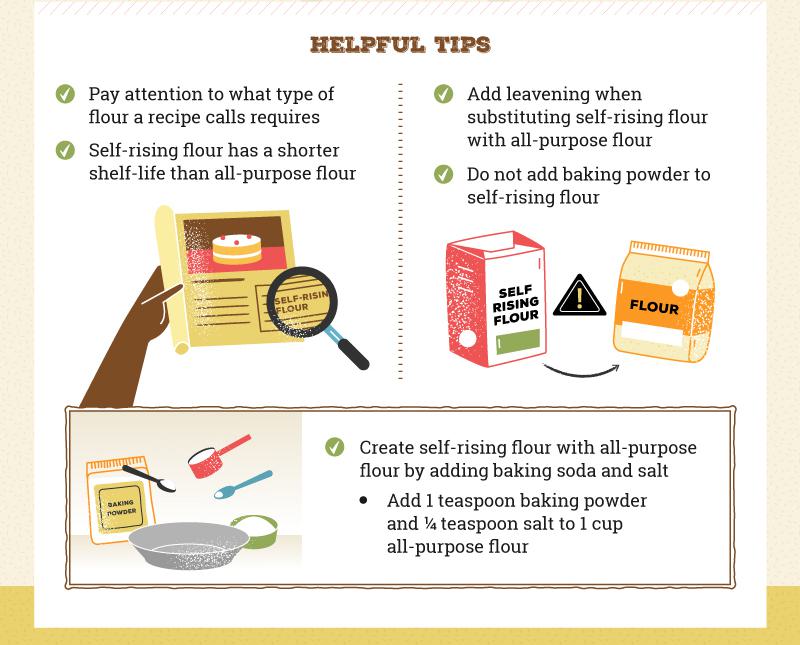
The magic formula is stupidly simple. For every one cup of all-purpose flour, add 1½ teaspoons of baking powder and ¼ teaspoon of salt. That’s it. You’re basically a flour wizard now.
I once forgot the salt entirely, and my scones tasted like a cardboard box with a degree in disappointment. So please, don’t skip the salt. It’s the unsung hero that makes things taste like food instead of paste.
Whisk the dry ingredients together first. No, you can’t just dump everything in and hope for the best. That’s like seasoning a steak after you’ve already cooked it—technically possible, but deeply wrong.
When The Magic Doesn't Work
Here's the catch: self-rising flour usually has a softer, lower protein content. All-purpose flour is a bit more muscular. If you’re making delicate Southern biscuits, your DIY mix might be a little chewier. It won't ruin your life, but your grandma might raise an eyebrow.
I tried this once for a batch of drop biscuits, and they turned out fine—like a friendly, slightly awkward cousin at a family reunion. Not the star of the show, but nobody complained. The trick is to handle the dough less. Overmix it, and you’ll get doorstops, not biscuits.
For cakes and pancakes? Go for it. The difference is so small that only a robot with a lab coat could tell. Your family will just say, “Wow, these are fluffy!” and you’ll nod like a secret agent.
 Self-Rising Flour vs. All-Purpose Flour | Bob's Red Mill Natural Foods
What About The Reverse?
Can you use self-rising flour when a recipe calls for all-purpose? If you want to, but it’s like showing up to a plain white t-shirt party in a sequin jumpsuit. You can, but you’ll have to reduce the salt and baking powder in the recipe. It’s doable, but it’s more brain work.
Personally, I find it easier to just buy all-purpose and doctor it up. Why buy two bags when one bag and a little math does the job? Unless you make a ton of biscuits, self-rising flour is just taking up pantry real estate.
A Few Real-World Tips
If your baking powder is older than your last haircut, test it. Drop a spoonful in hot water. If it fizzes like a soda, you’re golden. If it just sits there, go buy new powder. Old baking powder is the reason your cakes look like frisbees.
Also, remember that store-bought self-rising flour can taste a little metallic if it’s too old. When you make your own, you control the freshness. It’s the difference between a fresh lemonade stand and a gas station slushie—both sweet, but one is clearly superior.
So next time you’re staring at that bag of all-purpose flour, don’t sweat it. You’ve got this. Just add a couple of spoonfuls, stir, and pretend you meant to do it all along. Baking is 90% confidence and 10% actually reading the instructions.
And if all else fails, order pizza. The flour will still be there tomorrow, waiting for you to conquer it like the kitchen hero you are.
